Francesco Malatesta (He/Him)
Professor of Chemistry and Biochemistry, Rome
- Educator channel authors
- Italy

My research interests focus on the roles mitochondria play in aspects of eukaryotic life, ranging from their origin, metabolism, biogenesis and role they play in cell death pathways. These are interrogated using biochemical, molecular biology, genetic and cell biology techniques. I incorporate these interests into classes I teach to provide an understanding of practical techniques and also the current literature in the field. I studied biochemistry at the University of Leeds, with an industrial placement at Astra Charnwood, followed by a PhD at the University of Bristol, supervised by Professor Andrew Halestrap, to characterise the molecular composition of the mitochondrial permeability transition pore, with support from MitoKor. My post-doctoral training on the mitochondrial pathway of apoptosis supervised by Dr Doug Green was at the La Jolla Institute of Allergy and Immunology in San Diego, California and St Jude Children's Research Hospital in Memphis, Tennessee. I then was an associate research scientist working in the laboratory of Professor Alexander Tzagoloff at Columbia University in New York to study biogenesis of mitochondrial cytochrome c oxidase in budding yeast, Saccharomyces cerevisiae. I held independent positions as assistant professor at the New York Institute of Technology in New York and Staffordshire University in Stoke-on-Trent where I continued my research and taught subjects related to biochemistry, cell biology, genetics and molecular biology. I am now a senior lecturer in biotechnology at Liverpool John Moores University. I am a strong supporter of scientific communications and outreach to disseminate scientific developments and knowledge to a broader audience with the goal of increasing the general support of the scientific process. I also direct Biomed News, a free biomedical research literature discovery platform that uses machine learning.
I am an educator and researcher in the Department of Chemistry and Biotechnology at Tallinn University of Technology. I teach biochemistry to undergraduate students and related courses to master’s students. I am fascinated by biochemistry, and one of the main challenges in my teaching is passing on a sense of awe at the complexity of even the simplest forms of life. My research focuses on lipid metabolism in health and disease, and I also have a broader interest in how the human body functions under extreme conditions, including exercise. Through practical experience, I have developed a strong interest in learning and teaching, as well as in improving educational practice. In my department, I have helped establish regular gatherings for teaching staff to share experiences and support one another’s teaching.
'FEBS Communications' posts general items from the FEBS Network Team as well as news on FEBS events and other activities.
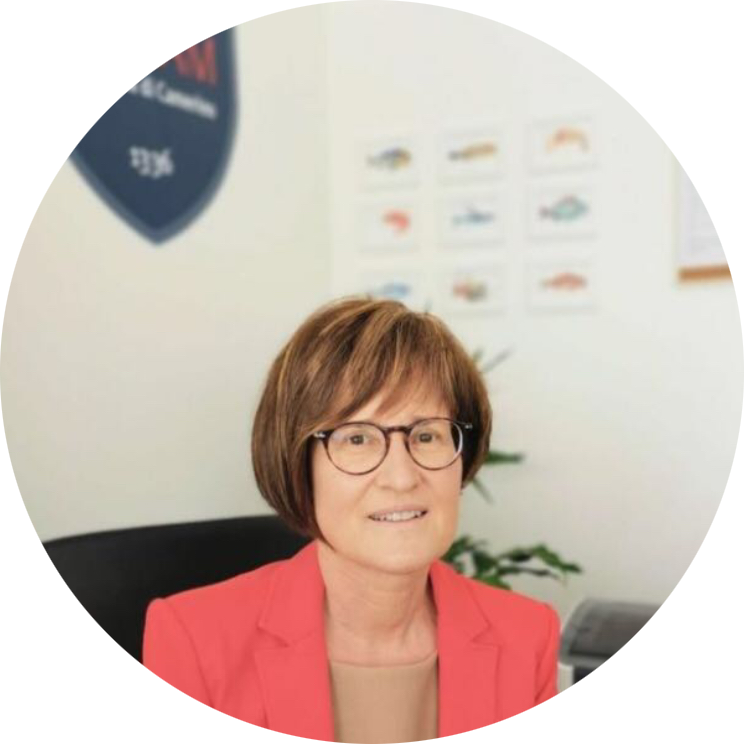
Rosita Gabbianelli
Full Professor of Biochemistry , Unit of Molecular Biology and Nutrigenomics, University of Camerino
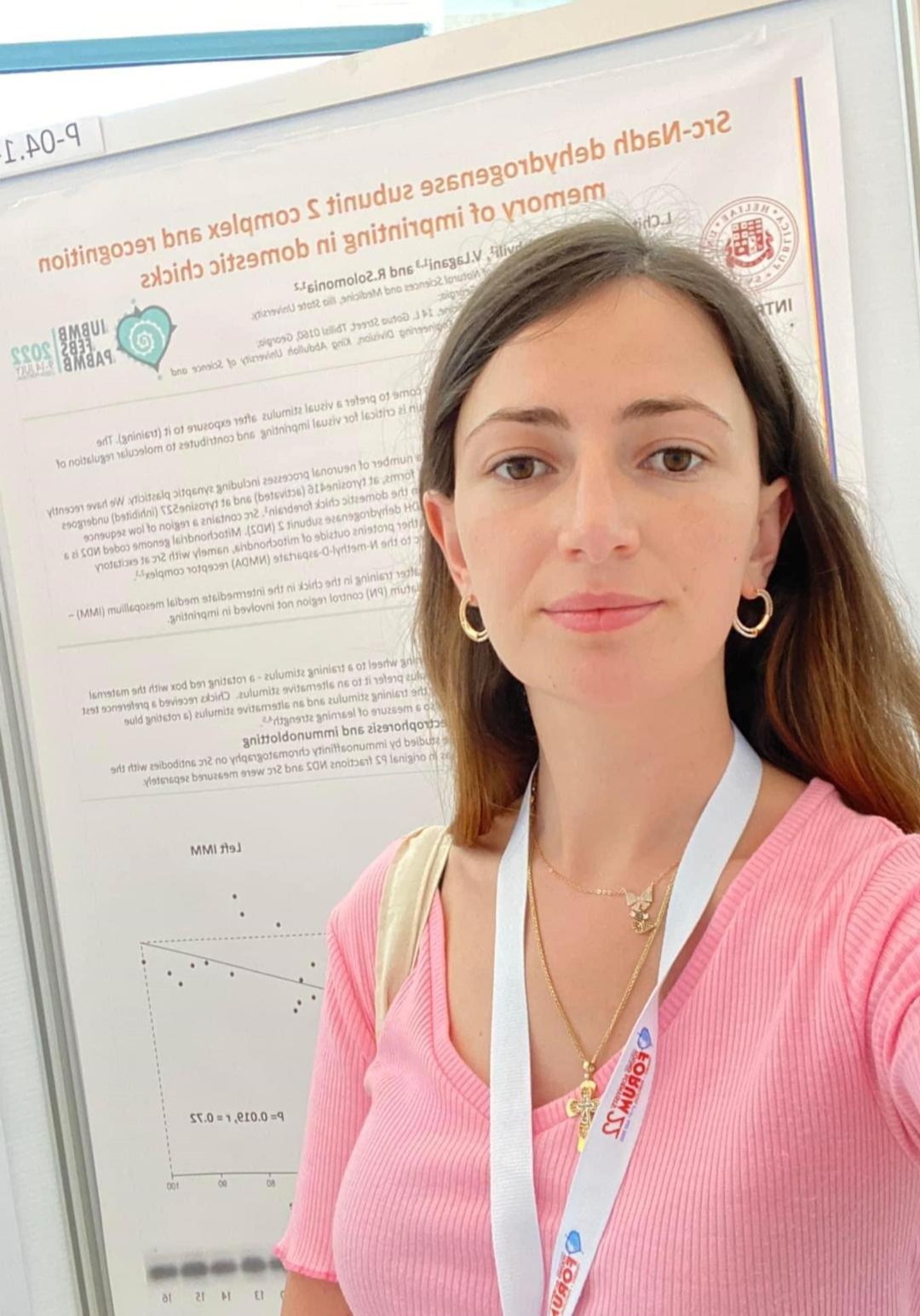
Lela Chitadze
Invited Lecturer / Researcher / PhD student, Institute of Chemical biology/Ilia State University
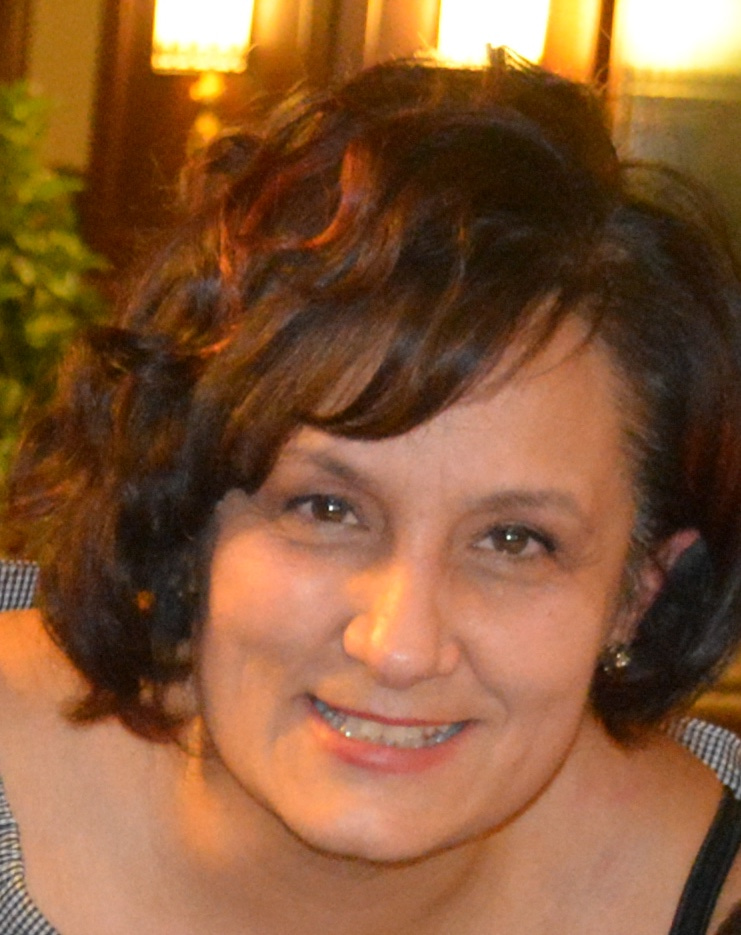
Aylin Sepici Dincel
Prof, Gazi University, Faculty of Medicine, Department of Medical Biochemistry
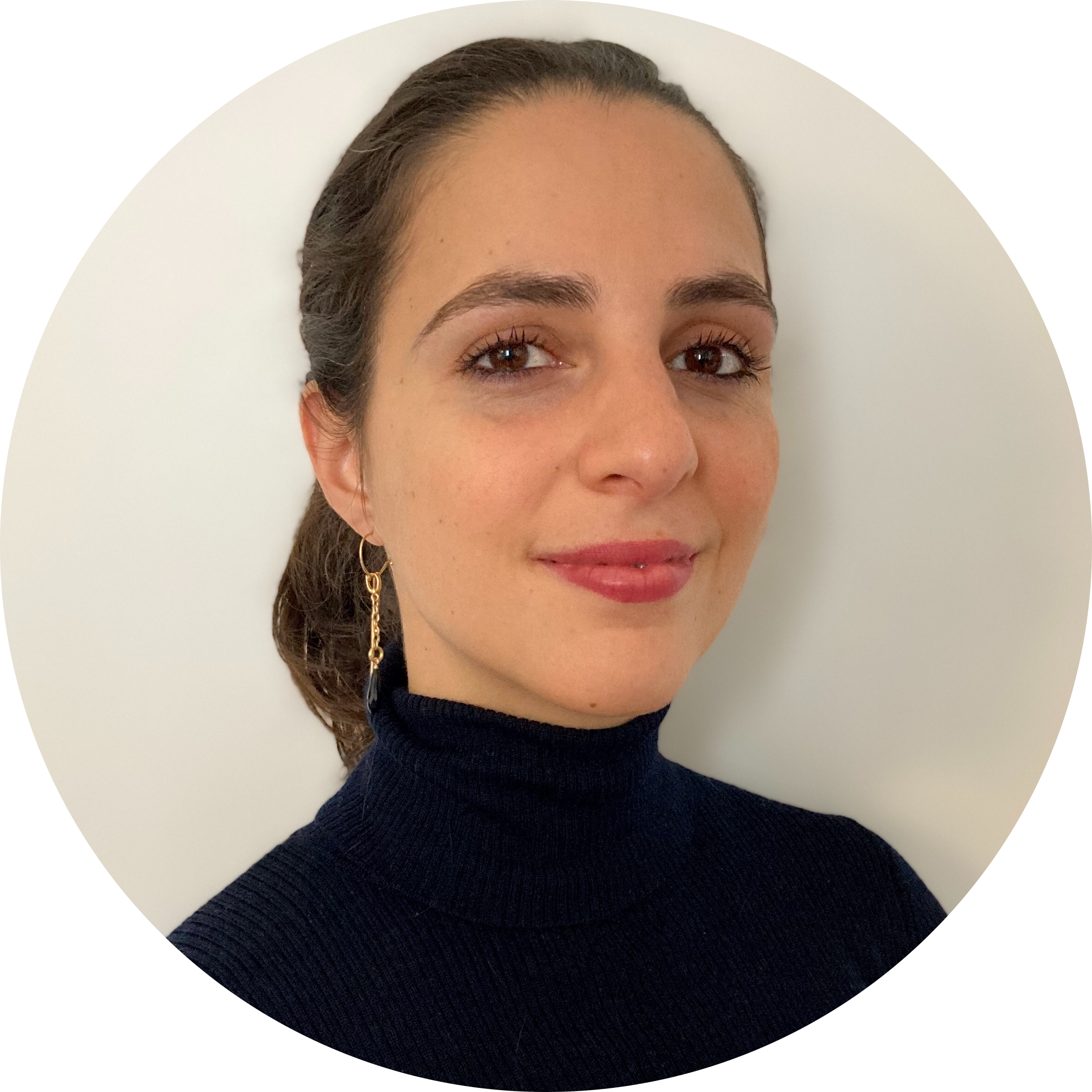
Dr. Isabel Varela-Nieto graduated and earned her doctorate in Chemistry, Biochemistry Section, at the University Complutense of Madrid (Spain). She has been a visiting guest scientist at the Medical Schools of Uppsala (FEBS Fellow, Sweden) and San Diego (MEC Sabbatical, USA). She is Professor of Research at the CSIC and group leader at the CIBER of rare diseases (CIBERER, ISCIII) in Madrid. From the early 1990s she has been studying hearing neurobiology and IGF-1 actions. She was the first Chair of the SEBBM Science for Society working group with which she actively collaborates, and member of the FEBS Network working group. She is currently the president of the SEBBM, a member of the FEBS Science and Society Committee and of the ISC Finances Committee.
My research activity has mainly concerned pyridoxal phosphate-dependent enzymes and vitamin B6 metabolism in bacteria and humans. Concerning PLP-dependent enzymes, I have dealt with their catalytic mechanism, catalytic promiscuity and evolution of catalytic activities, the design and experimentation of specific inhibitors, the mechanism of addition of PLP to apoenzymes and the folding mechanism. At the moment, I am mainly focused on the regulation of PLP biosynthesis and salvage pathways in bacteria and humans. In particular, I am interested in enzyme regulation mechanisms and transcriptional regulation, in the mechanism of PLP transfer to apoenzymes and in neurological disorders related to PLP metabolism.
I teach Biochemistry, Biochemical Methods and Enzymology in Biological Sciences, Industrial Chemistry and Biotechnology courses at Sapienza University.

biochemistry, molecular biology, bioinformatics, molecular visualisation, technology for teaching and learning
Ferhan Sagin
Chair, FEBS Education and Training Committee, Ege University, Faculty of Medicine
Atherosclerosis, inflammatory diseases, biomarkers
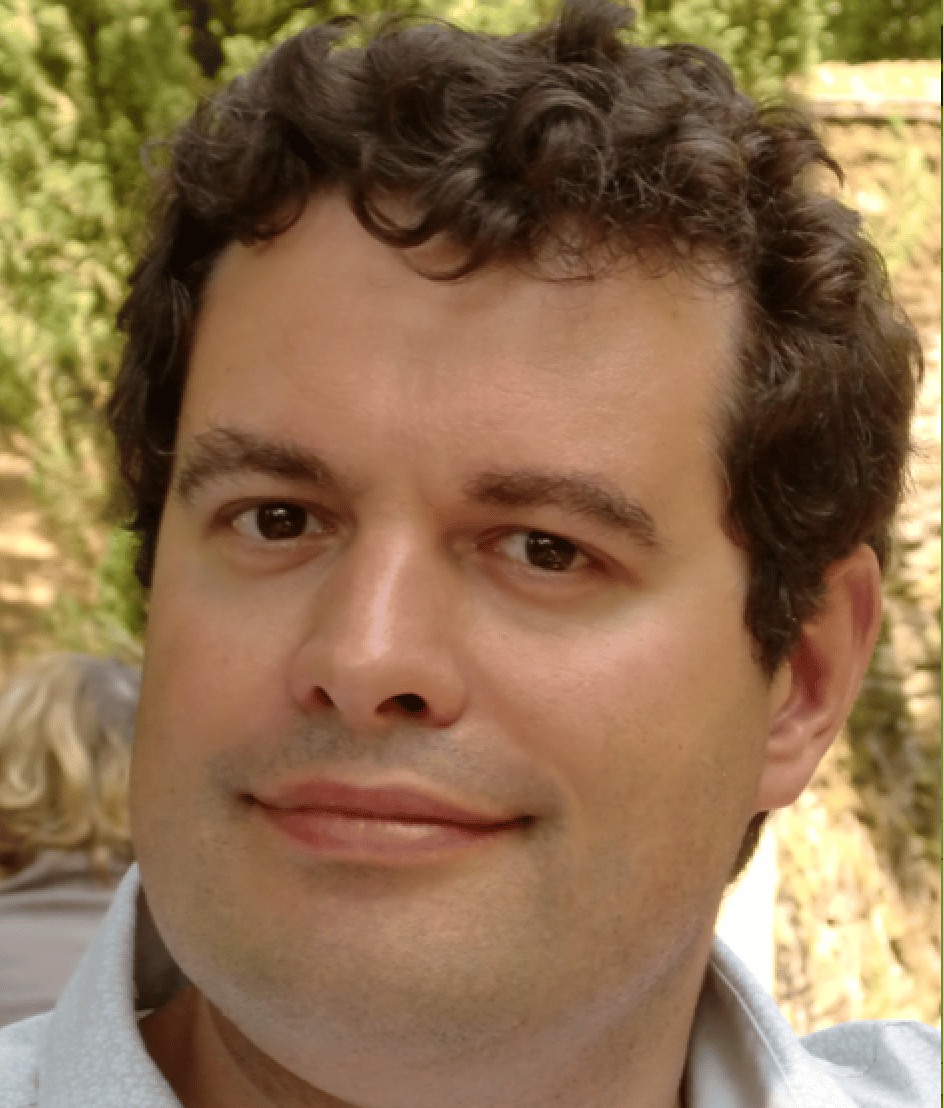
I am a Professor of Toxicology, Biochemistry and Cell Signaling at Université Paris Cité (former Université Paris Descartes). I have completed my PhD in molecular toxicology and a post-graduate year in Bethesda, MD. I am the head of a Master degrees in toxicology and ecotoxicology. My research is based on cellular and animal models and on three main axes: 1) the influence of persistent organic pollutants on breast tumorigenesis and metabolic disruption, 2) the contextual role of pollutants in the occurrence of chronic liver diseases including steatosis and fibrosis, 3) the effect of mixtures on the progression of neurodegenerative diseases. I am involved in the development of innovative pedagogy methods and technics in order to improve transmission, acquisition, memorization and utilization of scientific knowledge by our biomedical students. I used flipped classrooms, quizzes (at home and during courses) and virtual reality to interact and immerge with students in and outside the classroom. Indeed, I developed with pedagogic engineers, 1) Home-based 45’’ Quizzes to engage students in regular learning modes and 2) serious games on cell signaling and xenobiotic stress. Together, with Etienne Blanc, Caroline Chauvet and Frédéric Dardel, I wrote several French books of biochemistry and toxicology topics for undergraduate students. I collaborate with several national and international institutes and universities (CNAM Thierry KOSCIELNIAK, Université de Strasbourg Jean-Luc SOUCIET, National University of Singapore, Fun Man FUNG...) for the development of innovative methods in teaching.