Interview series: Meet Mónica Pozo Rodríguez, a FEBS Open Bio Poster Prize Winner

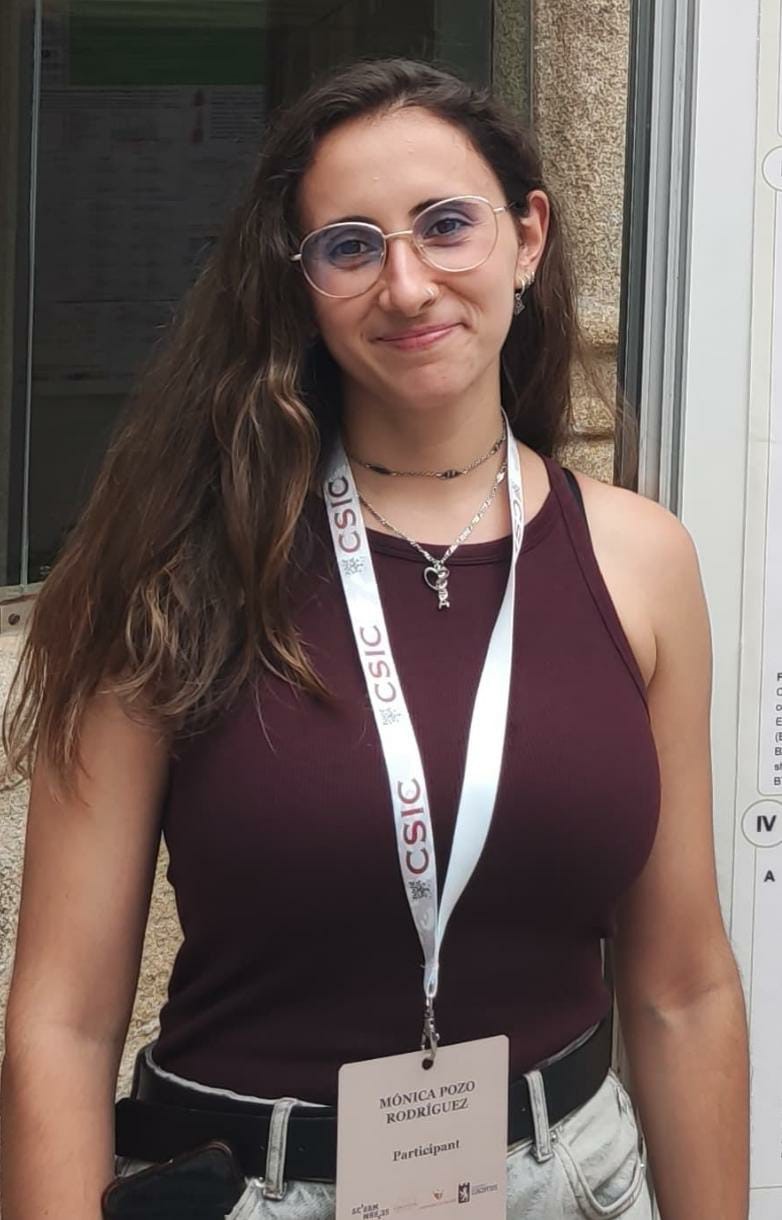
Our interviewee is Mónica Pozo Rodríguez, a PhD candidate in the Ubiquitin-likes and development lab at the Center for Cooperative Research in Biosciences (CICbioGUNE) in Biscay, Spain, and a member of the Spanish Society for Biochemistry and Molecular Biology (SEBBM). Mónica received a FEBS Open Bio Poster Prize at the 4th Annual Meeting of ProteoCure (20–23 May 2025), in Crete, Greece.
Tell us about your research topic/work. What project(s) are you working on? What is the aim of your study?
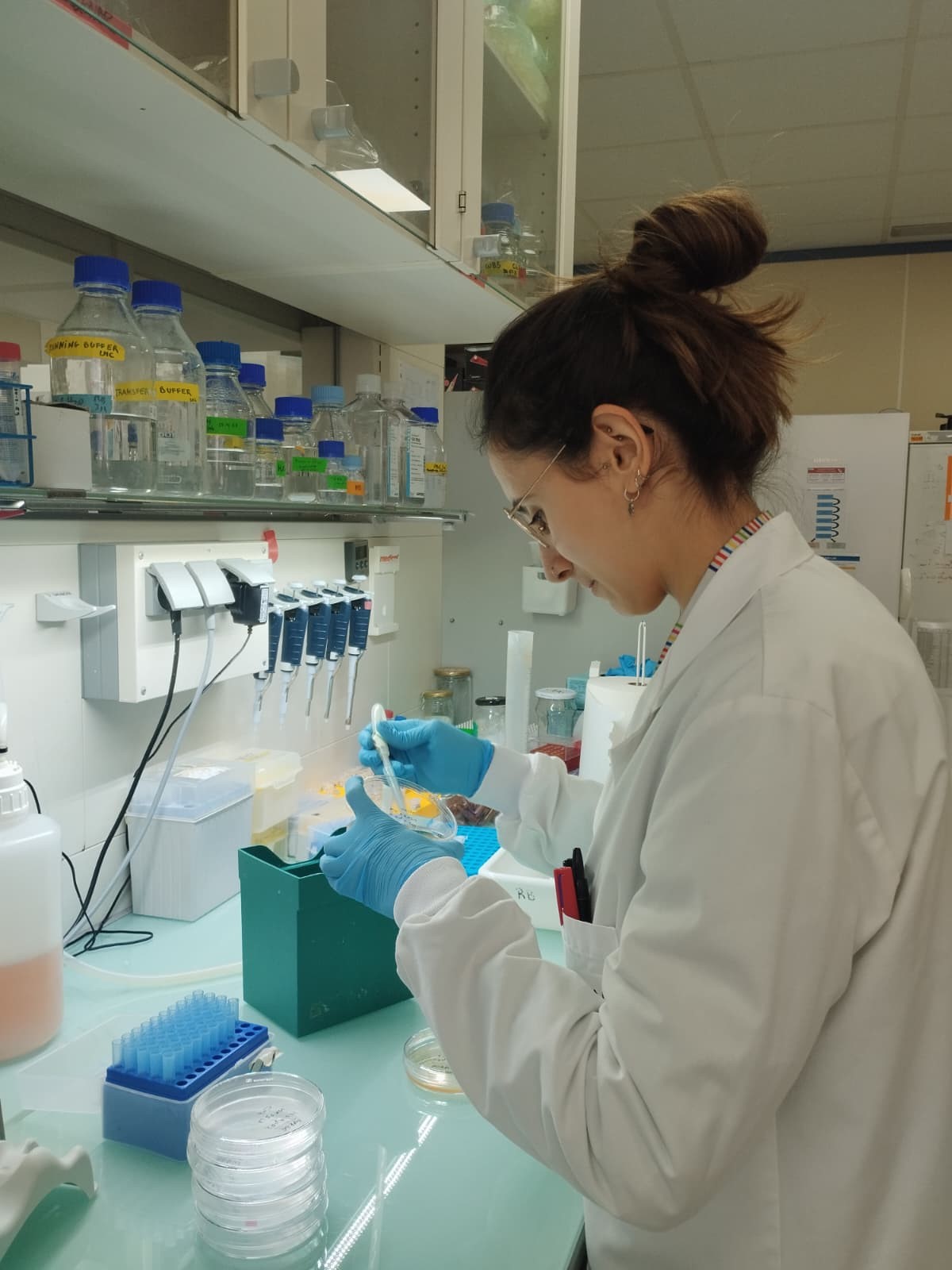
Our lab studies post-translational modifications mediated by members of the Ubiquitin-like (UbL) protein family. My research focuses on developing tools to study UbLs, specifically aiming to establish a biotin-based strategy to identify substrates of deubiquitinating enzymes, key regulators of the ubiquitin cycle that reverse protein ubiquitination. This strategy is also intended to be applicable to the study of other UbL modifiers. We believe this approach has the potential to advance our understanding of UbL-mediated post-translational modifications, providing new insights into the complex regulatory networks that control these modifications.
Who or what inspired you to choose a career in science?
I've always been curious about how things work. In high school, I really enjoyed biology and chemistry, and what fascinated me most was human physiology, the complexity of the body and how all of its systems work together. That curiosity, along with my desire to understand the "why" behind things, is what inspired me to pursue a career in biological science.
How does it feel to receive a FEBS Open Bio Poster Prize as recognition for your work? How do you see this prize influencing your career and future plans?
Receiving this award was very rewarding. It's motivating to know that my work is considered interesting and valuable, and it encourages me to keep moving forward. At the same time, this recognition reflects the guidance and support of my lab and mentors. I couldn't have done it without them.
The award also provides visibility and support that are crucial for creating new opportunities and advancing my career. In fact, the meeting where I received the award led to a new collaboration that is already showing promising results.
What advice would you give to aspiring students/scientists?
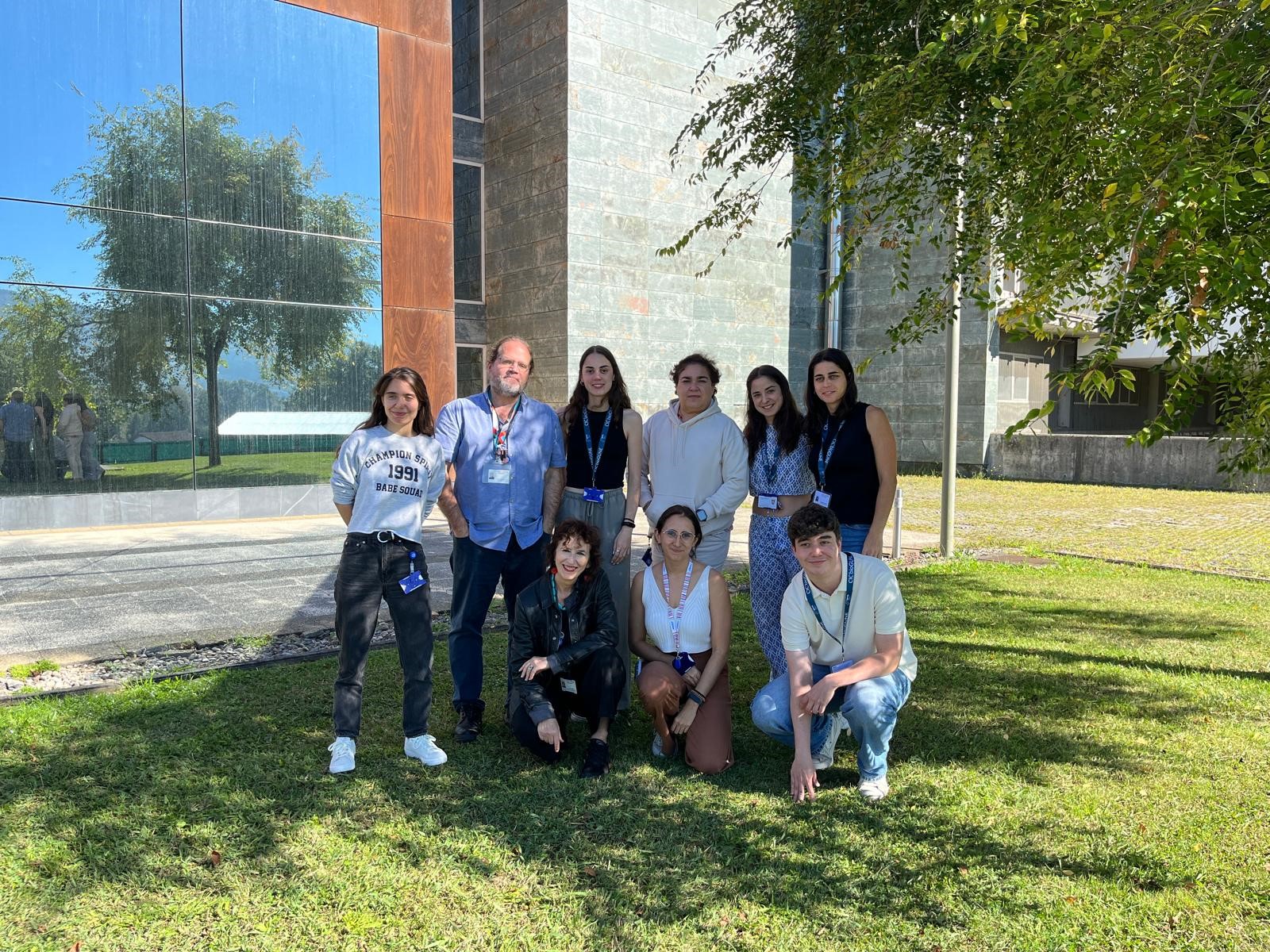
My advice is to stay curious and not to be afraid of failure. Frustration is very present in science and learning to manage it is essential. Keep going, even when things don't go as planned. I also think it is really important to choose your lab carefully, because the people you work with can have a big impact not only on your scientific growth and career, but also on how supported and motivated you feel day to day.
Where do you envision the future of your career?
I am not fully sure yet, but I would like to continue working in biological science research. I am very interested in exploring fundamental questions in human physiology whose answers could ultimately improve people's lives. What I know for sure is that I want to keep learning, collaborating with other researchers, and developing my skills so that, over time, I can hopefully contribute to scientific knowledge.