Interview series: Meet Carmen Sicilia, a FEBS Open Bio Prize Winner

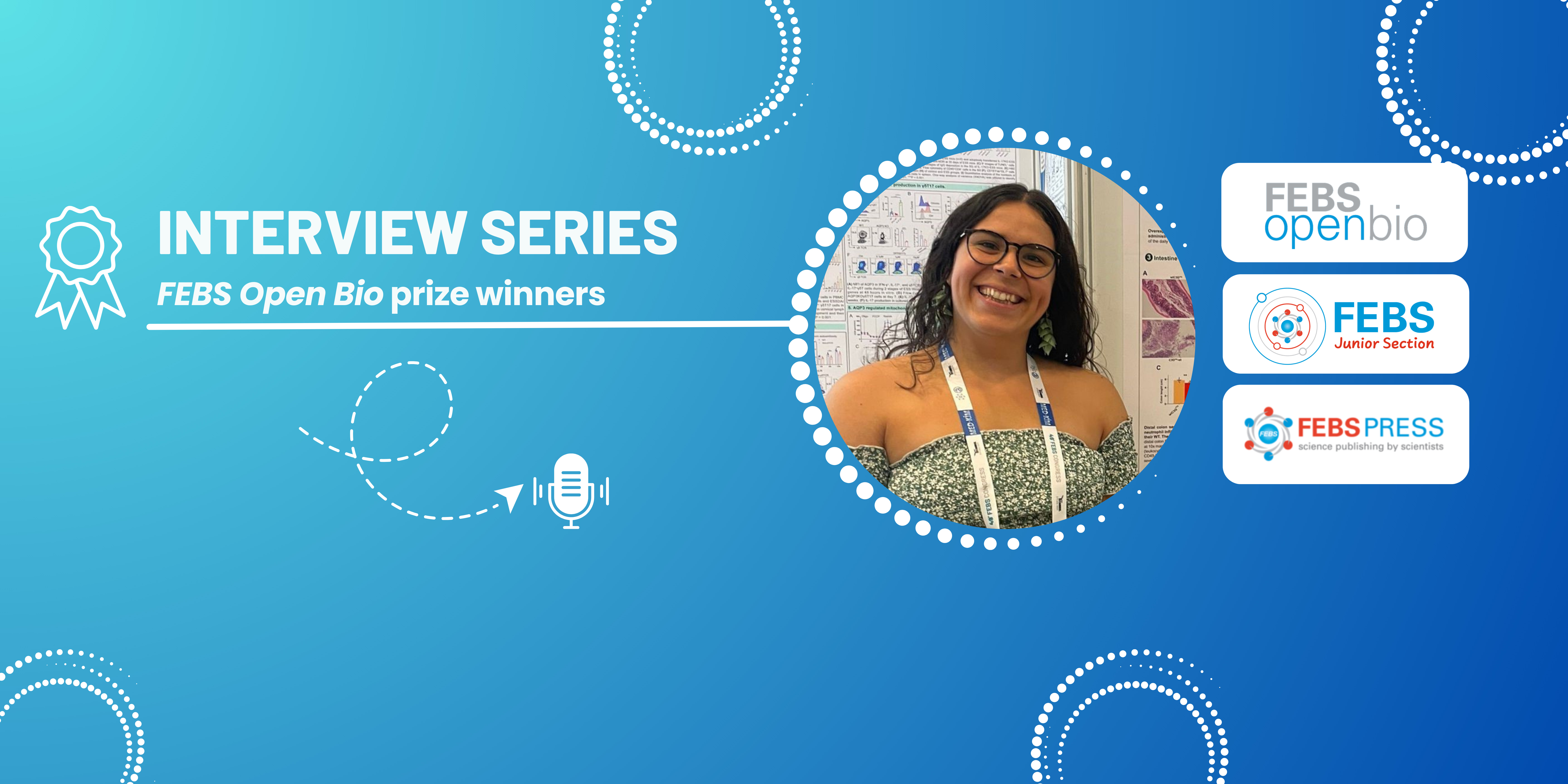
Our interviewee is Carmen Sicilia, a PhD candidate at the Cancer Research Center (CIC-IBMCC) in Salamanca, Spain. Carmen received a FEBS Open Bio Speed Talk Prize at the 49th FEBS Congress (5–9 July 2025) in Istanbul, Turkey.
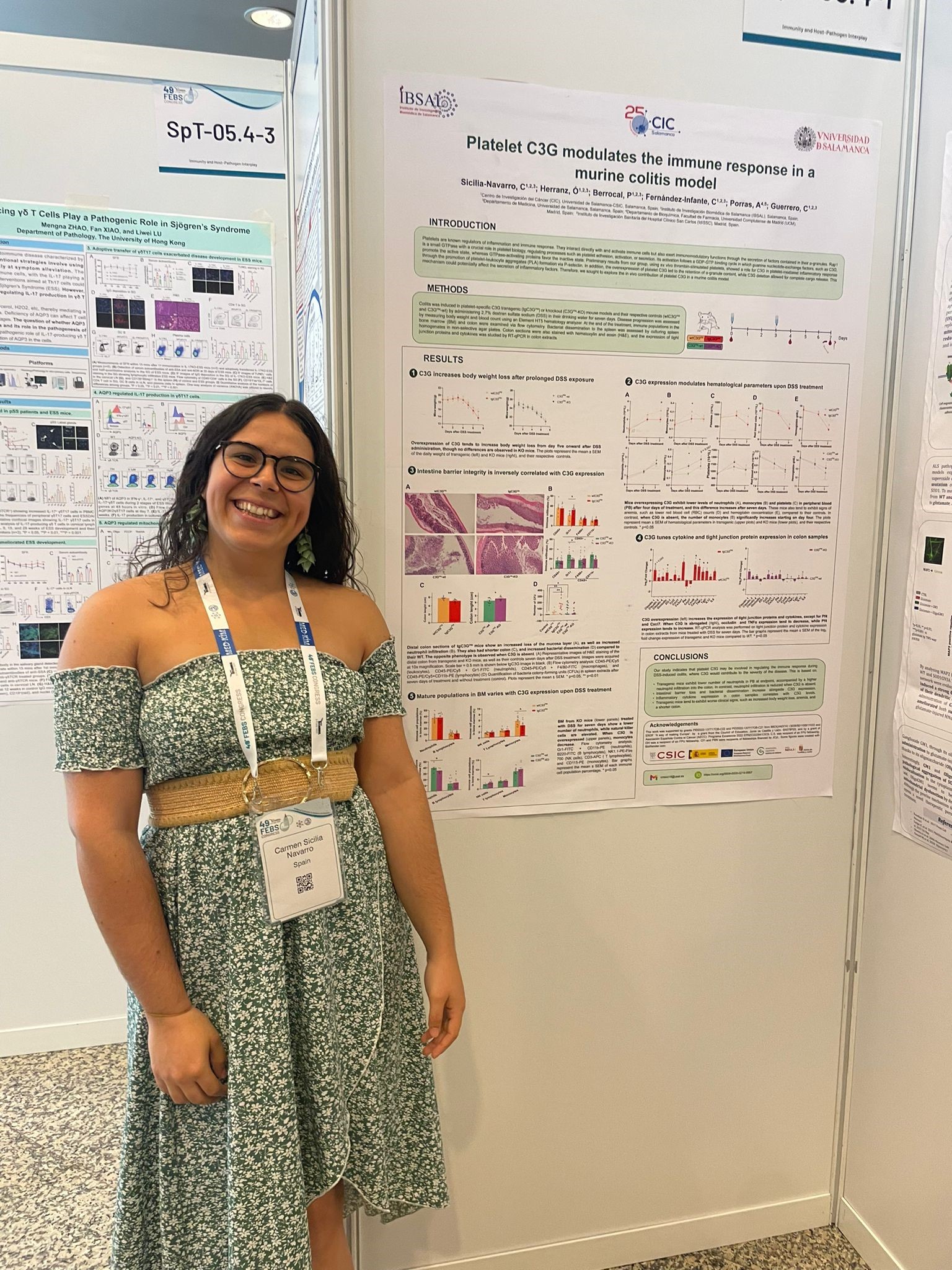
Tell us about your research topic/work. What project(s) are you working on? What is the aim of your study?
Our work focuses on the immunomodulatory role of platelets, specifically investigating how C3G, a key Rap1 activator in platelets, influences inflammatory diseases. While we know platelets are essential for clotting, I am looking at how they communicate with immune cells to drive or resolve inflammation.
I am currently working on two interconnected stages of inflammatory bowel disease:
- Platelet C3G in a colitis stage: The primary aim here was to determine how C3G affects the immune response during gut inflammation. Using platelet-specific transgenic and knockout mice in a DSS-induced colitis model, we found that C3G acts as a pro-inflammatory driver. It promotes the recruitment of immune cells from the blood into the colon, which, unfortunately, worsens tissue damage, increases cytokine production, and leads to higher bacterial dissemination.
- Colitis-Associated Colorectal Cancer: Building on these findings, I am now investigating how this C3G-mediated inflammatory environment contributes to tumorigenesis. Our aim is to understand if the same mechanisms that worsen colitis also facilitate the transition from chronic inflammation to colorectal cancer.
Ultimately, the goal of my research is to define C3G as a potential therapeutic target. If we can modulate how platelets trigger these inflammatory pathways, we might be able to reduce disease severity in patients with inflammatory bowel disease and potentially prevent the development of associated cancers.
Who or what inspired you to choose a career in science?
To be honest, while I have a deep respect for clinical practice, I realized quite early on that I didn’t want to be the one applying the existing tools; I wanted to be on the side of science that expands the toolkit. I’ve always believed that to build better solutions for human health, we first have to truly understand the fundamental complexity of the world we live in. I’ve always been in awe of how much a single cell can do; it’s fascinating to me that even a platelet, which doesn’t even have a nucleus, can act as a sophisticated commander of the immune system. My inspiration really comes from that intersection: the challenge of untangling these microscopic mysteries so we can eventually translate that knowledge into better treatments for patients.
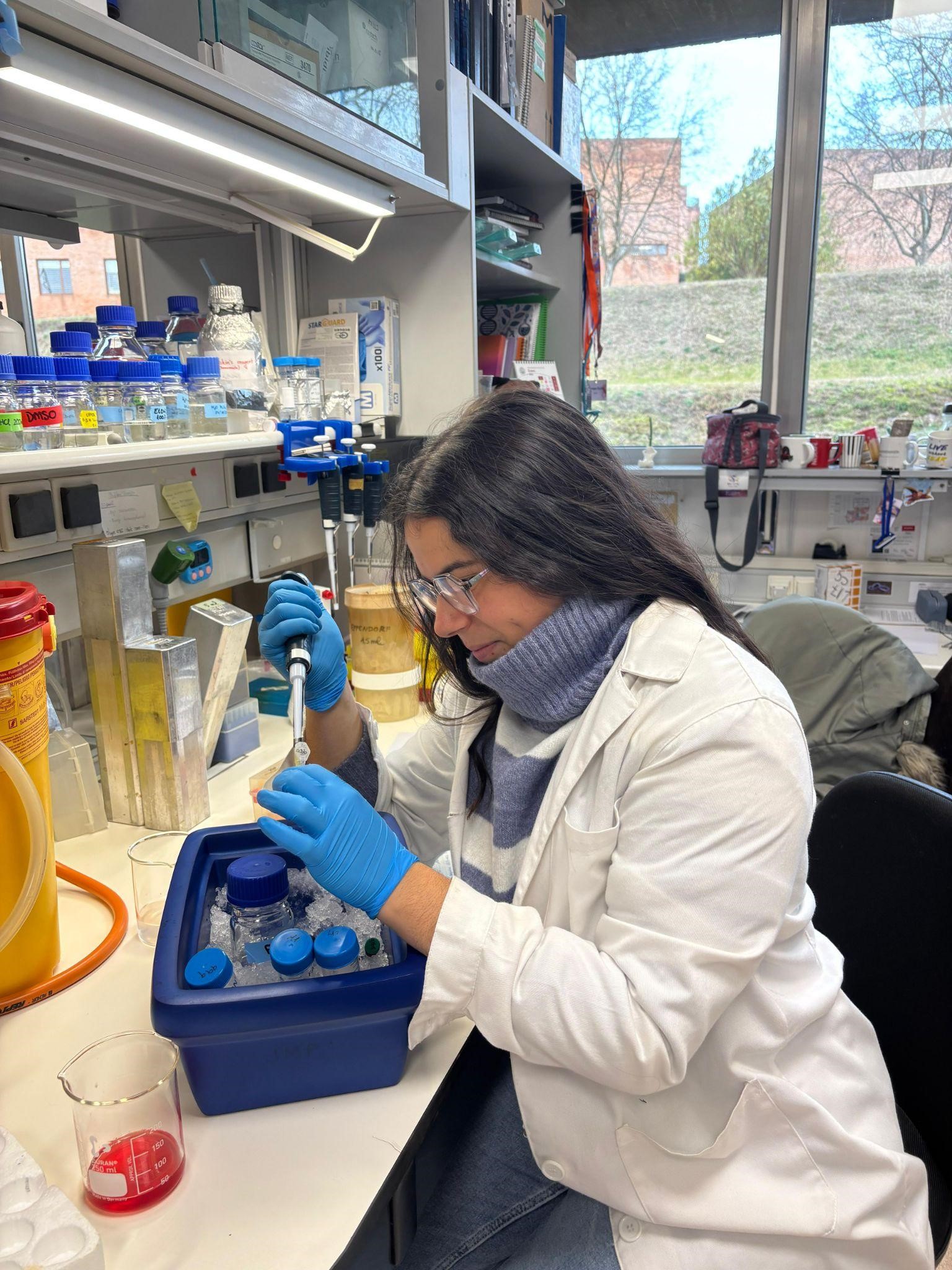
How does it feel to receive a FEBS Open Bio Speedtalk prize as recognition for your work? How do you see this Prize influencing your career and future plans?
This award is a huge relief, honestly. When you’re at the start of your PhD, you’re basically living with impostor syndrome every day. You’re constantly questioning if your ideas are actually good or if you’re just lost in the details.
Getting this award feels like the first real 'green light' from people who actually know the field. It’s that bit of external validation that says, 'No, you aren't just imagining it—this work actually has value.'
In terms of my career, it’s a massive boost to the self-esteem you need to keep pushing through the harder parts of a PhD. It gives me the confidence to trust my own results and keep asking the bigger, tougher questions, especially as I move into the cancer research side of things. It’s the fuel I needed to keep going.
What advice would you give to aspiring students/scientists?
My biggest piece of advice is to accept that feeling like an impostor is actually a normal part of the process. In science, we’re always working at the edge of what’s known, so of course you’re going to feel lost sometimes.
When you're staring at an experiment that failed for the fifth time, it’s easy to think it’s a 'you' problem, but it’s really just the nature of the job. You have to learn to trust your curiosity even when you don't yet trust your expertise.
Don’t wait for an award to tell you that your work matters. Trust the process, find a community that reminds you you're not alone in the struggle, and just keep pushing. If you’re fascinated by the work—even the parts as small as a cell without a nucleus—you’re exactly where you’re supposed to be. Just keep going.
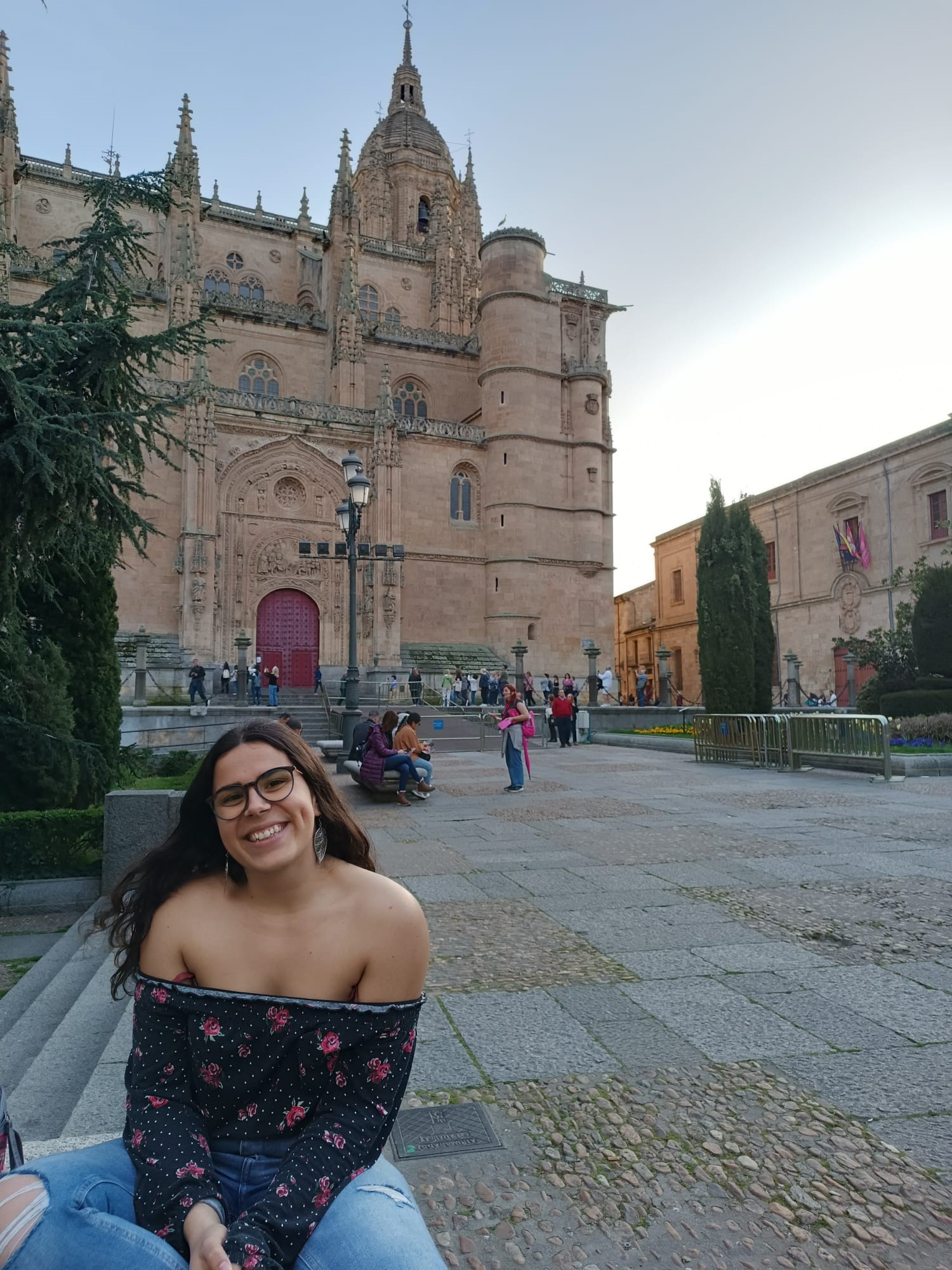
during the PhD journey" - Carmen Sicilia. Photo credits: personal archive
Where do you envision the future of your career?
Honestly, I see myself continuing to dig into the 'why' behind these diseases. In five or ten years, I’d love to be leading my own projects, focusing on those overlooked players in disease—like the platelets I’m studying now. I don't just want to add another paper to the pile; I would like to be the person who found a specific mechanism that actually changes how we approach a disease. Whether that’s in a lab or a more translational setting, the 'win' for me would be knowing that a target I helped identify is actually being tested or used to build a new therapy. I want to keep expanding the toolkit.