Interview series: Meet Gülin Baran, a FEBS Open Bio Poster Prize Winner

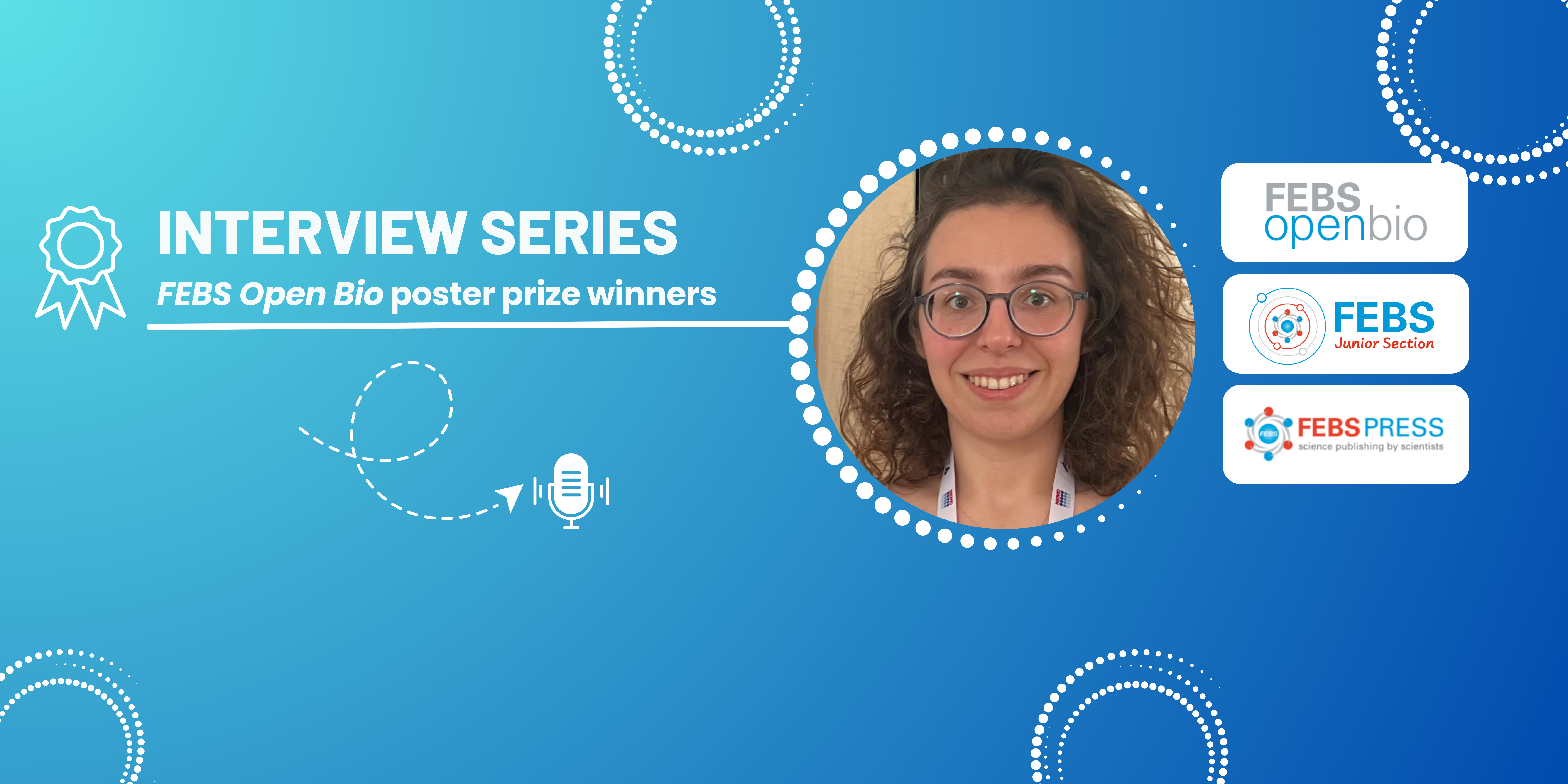
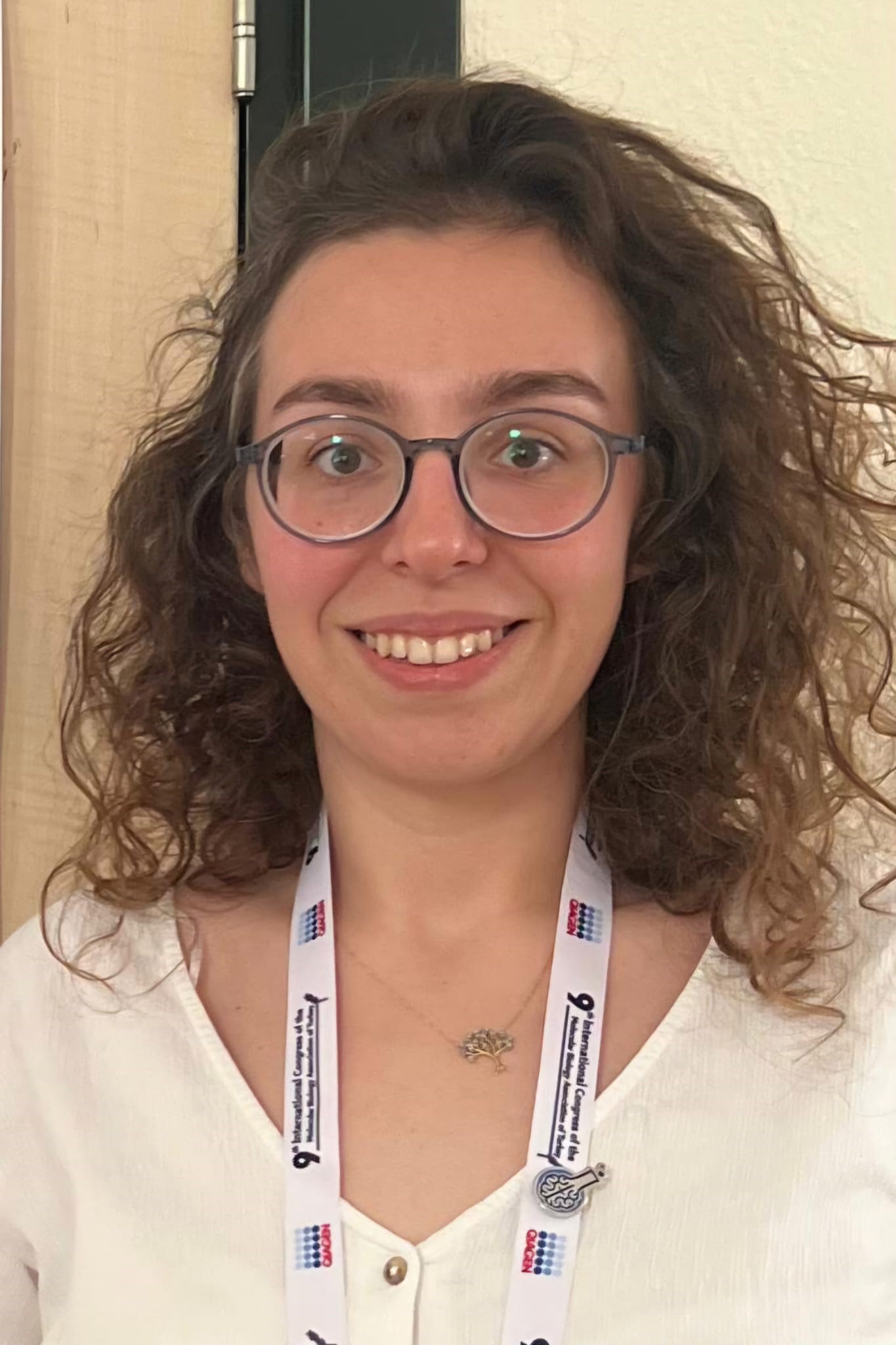
Our interviewee is Gülin Baran, a Postdoctoral Researcher from the Mustafaoglu Lab, Faculty of Engineering and Natural Sciences, Sabanci University, Istanbul, Türkiye, and a member of the Turkish Biochemical Society, FEBS Constituent Society. Gülin received a FEBS Open Bio Best Poster Prize at the 24th FEBS Young Scientists' Forum (YSF 2025), held on 2–5 July 2025 in Sapanca, Türkiye.
Tell us about your research topic/work. What project(s) are you working on? What is the aim of your study?
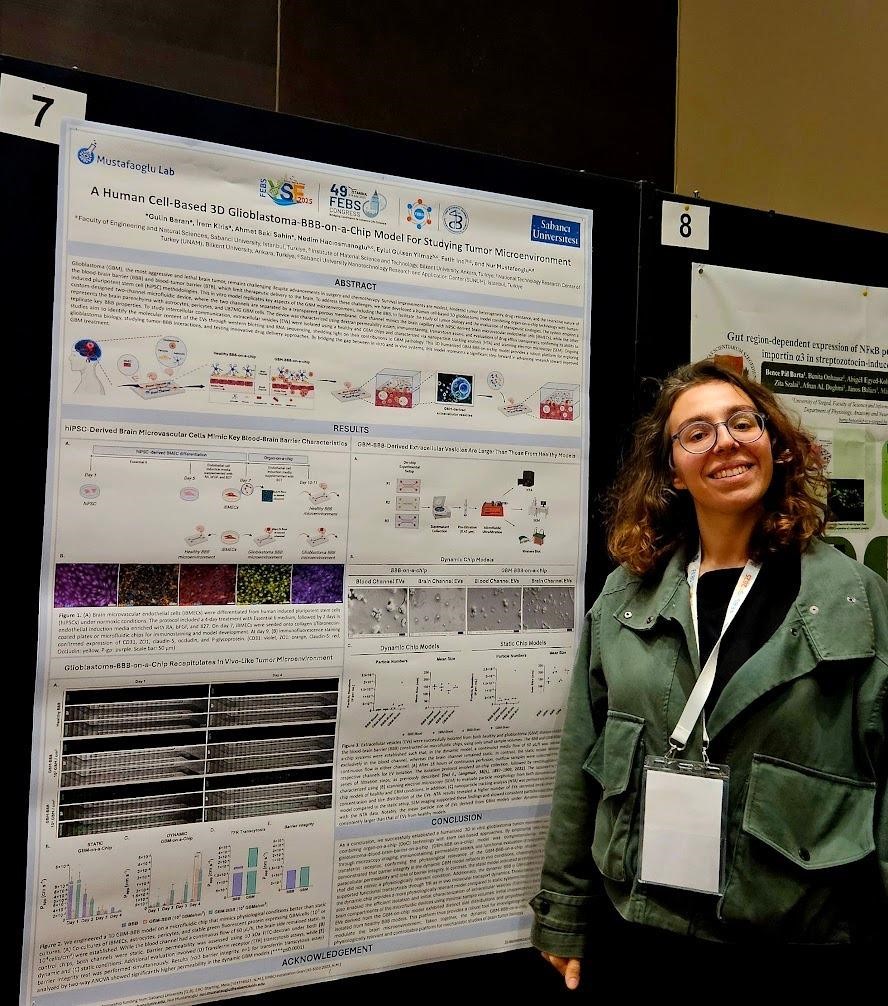
At the Mustafaoglu Lab, we develop blood–brain barrier (BBB)–integrated models of brain diseases to better understand disease mechanisms and design targeted drug delivery strategies. Within this framework, my research focuses on engineering human cell–based microphysiological systems to model glioblastoma (GBM) in a physiologically relevant, BBB-integrated environment.
I develop BBB-on-a-chip and GBM–BBB-on-a-chip platforms by combining human induced pluripotent stem cell (hiPSC) technology with organ-on-a-chip approaches. These platforms integrate hiPSC-derived brain microvascular endothelial cells with human glial and glioblastoma cells to recreate a physiologically relevant tumor microenvironment under dynamic flow conditions.
The overall aim of my work is to recapitulate tumor–barrier interactions and blood–tumor barrier dysfunction in a controlled, human-relevant system and to investigate why glioblastoma exhibits a predominantly non-metastatic (or rarely metastatic) behavior. Using our GBM–BBB-on-a-chip and complementary transwell models, I study glioblastoma-induced microenvironmental remodeling and BBB integrity. I also investigate glioblastoma-derived extracellular vesicle (EV)–mediated crosstalk within the tumor microenvironment and explore candidate EVs as potential drug carriers. In parallel, I evaluate nanoparticle-based drug-shuttling systems to improve BBB transport and therapeutic efficacy against glioblastoma.
Ultimately, my goal is to contribute to the development of more predictive, human-relevant in vitro models that support translational and personalized approaches for brain cancer therapy.
Who or what inspired you to choose a career in science?
Growing up with parents working in the healthcare sector, I was surrounded by doctors and pharmacists, which naturally sparked my curiosity about diseases and treatment approaches. This curiosity was also driven by a strong desire to help people. From an early age, I observed that one of the major challenges in clinical practice is the limited availability of personalized treatment strategies in many areas of medicine. This realization encouraged me to pursue research aimed at understanding diseases more deeply and contributing to more personalized therapeutic approaches.
I have always been fascinated by how the brain works, how brain-related diseases—such as brain cancer, neurodegenerative, and neuropsychiatric disorders—develop, and how incurable or hard-to-treat conditions might eventually be treated. The complexity of these diseases, shaped by both genetic and environmental factors, has always intrigued and motivated me to better understand them. I have been particularly drawn to incurable diseases because I believe that even when solutions are not yet visible, there must be a way forward. This belief has strongly shaped my motivation to pursue a career in science.
I was also deeply inspired by a close friend of my mother, Prof. Nesrin Cesur, a professor of pharmacy. Her passion for scientific research and enthusiasm for teaching left a lasting impression on me. I experienced the unifying power of knowledge sharing for the first time during a two-hour organic chemistry lesson she gave me while I was in high school. That single lesson not only strengthened my interest in science but also demonstrated how passionate teaching can spark curiosity and motivation in others. In many ways, this experience created a “butterfly effect” that shaped my desire both to pursue a career in science and to share knowledge with those around me.
Together, these experiences inspired me to follow a career in biomedical research focused on understanding brain diseases, developing improved therapeutic strategies, and contributing to a more personalized and human-centered approach to medicine.
How does it feel to receive a FEBS Open Bio Poster Prize as recognition for your work? How do you see this Prize influencing your career and future plans?
As scientists, we often work behind closed doors to fill gaps in knowledge. Conferences and publications are among the few ways we can share our findings, contribute to scientific progress, and collaborate to achieve even more. While we are deeply focused on research, it is easy to lose our sense of direction. In this context, awards like this one remind us that we are on the right path.
This Award came at a time when I was feeling almost lost in my career journey. It lightened my way by showing and reminding me that I am on the right path and that I should not stop moving forward. It encouraged me to keep going and to take the next steps, even during difficult times. I believe that if we continue to move forward, even in hard times, we will eventually see the light. For me, this Award was exactly that—a light that renewed my motivation and determination.
What advice would you give to aspiring students/scientists?
Find what truly sparks your curiosity and do not be afraid to try different things to discover where you belong. Science comes with many challenges, failures, and moments of self-doubt—much like life itself—but this does not mean you are on the wrong path. Change your perspective, be patient, and keep taking consistent steps forward. Even when it feels like you are not progressing or have taken a step back, you may later realize how far you have actually come. Believe in the value of your work, even when progress feels slow or invisible—small, steady steps will eventually lead to meaningful impact.
Learning to accept failure is one of the most challenging yet most valuable parts of a scientific journey—it certainly was for me. However, we grow through failure and move forward stronger. In many ways, failure means you are pushing boundaries; if you have never failed, you may not yet be pushing yourself far enough to grow and improve.
Do not be afraid to step outside your comfort zone and explore interdisciplinary experiences. Collaboration, openness to new ideas, and learning from different fields can enrich both your research and personal development. You do not need to know everything—science is a collective effort, and brainstorming with colleagues often leads to better ideas and stronger outcomes. Science is not a stage where one succeeds alone; it thrives on teamwork and shared knowledge.
Finally, make sure to create personal spaces or activities where you can pause and take a deep breath. Your mind can truly shine only when you take care of your physical and mental well-being. Science needs fresh and healthy minds, and to sustain that, you sometimes have to remember to take care of yourself as well.
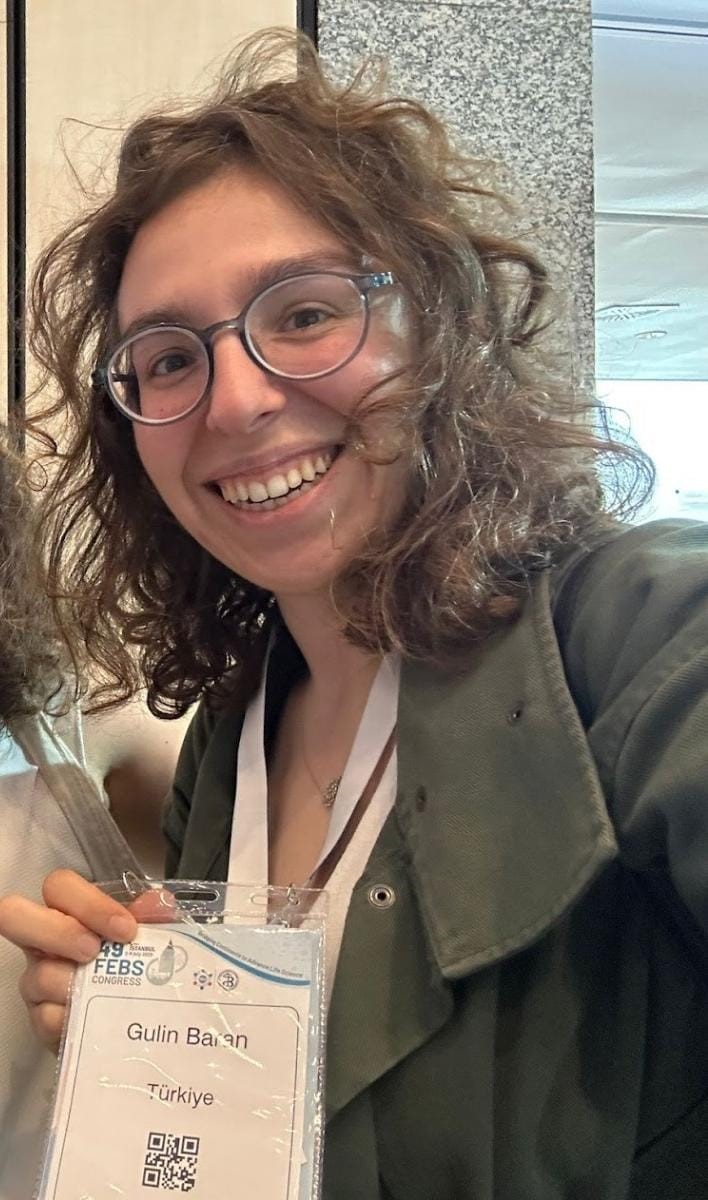
Photo credits: personal archive
Where do you envision the future of your career?
I envision my future career at the intersection of biomedical research, bioengineering, and translational science. During my master’s studies under the supervision of Dr. Emre Deniz, I gained expertise in genome editing and molecular biology–based approaches to investigate disease mechanisms and non-coding RNAs. During my doctoral research, under the supervision of Dr. Nur Mustafaoglu, I specialized in the development of human cell–based microphysiological systems, particularly BBB-on-a-chip and glioblastoma–barrier models, to study GBM biology, decipher extracellular vesicle (EV)-mediated crosstalk, and apply novel nanoparticle-based drug delivery systems in physiologically relevant in vitro GBM disease models.
Currently, I continue to build on this background and aim to further develop my research in glioblastoma biology and treatment using human cell–based, physiologically relevant in vitro systems, while minimizing the unnecessary use of animal models during the first phase of my postdoctoral research in the Mustafaoglu Lab.
In the long term, I plan to use my interdisciplinary background and scientific curiosity to contribute to the treatment of brain diseases—not only brain cancer but also neurodegenerative and neuropsychiatric disorders—through innovations in bioengineering. I believe that personalized medicine approaches can bring us closer to meaningful solutions and help reduce failure rates in clinical applications. Moreover, I hope to take an active role in mentoring young scientists and fostering interdisciplinary collaborations, sharing my enthusiasm for science and encouraging others to pursue solutions for incurable or hard-to-treat brain diseases.
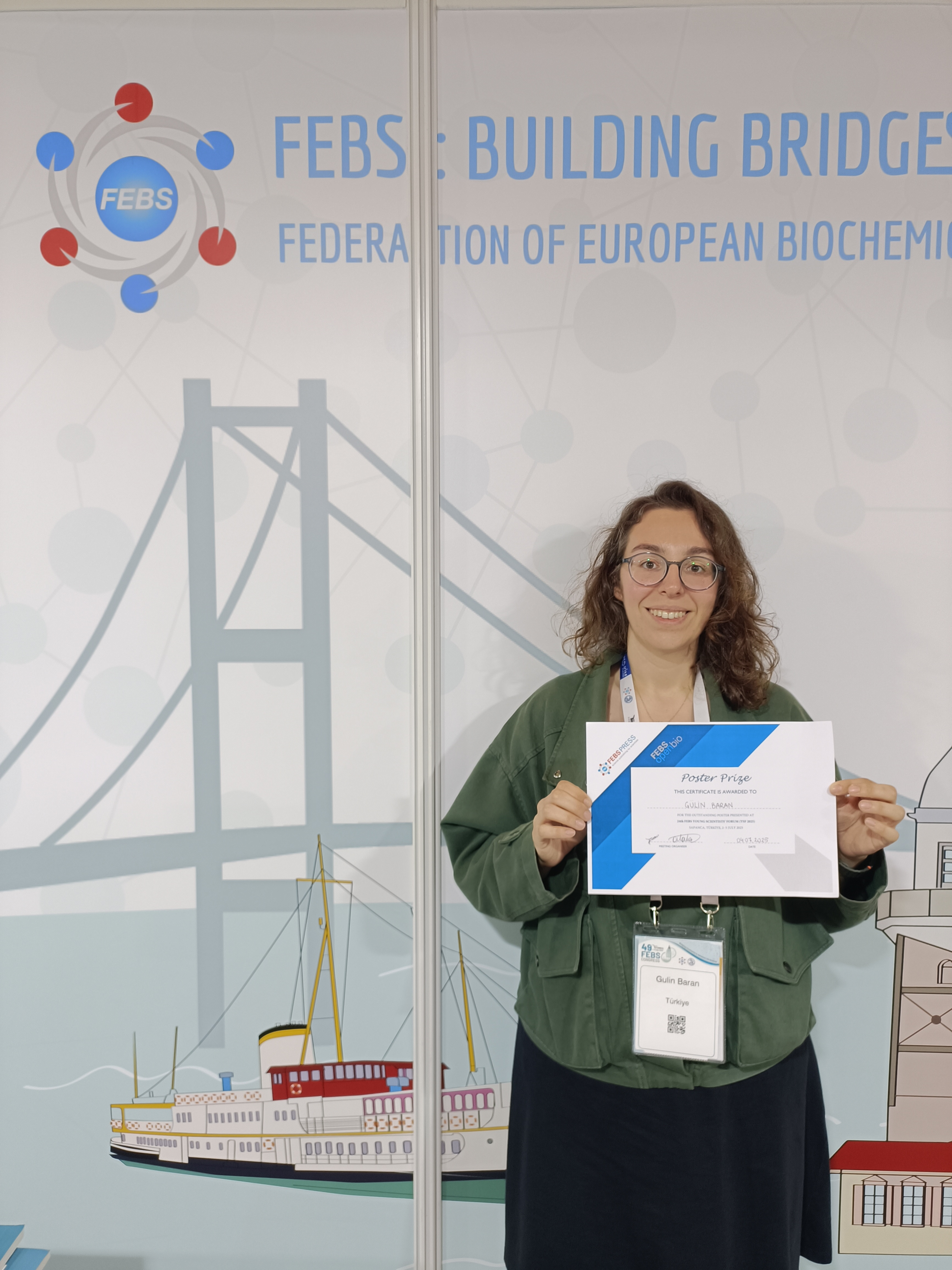
Photo credits: FEBS Careers of Young Scientists Commitee