
What drew you to your research field?
I have always been driven by curiosity and a strong urge to move beyond my comfort zone. During my postdoctoral work, I studied growth factor signaling pathways that drive cell proliferation. When I started my own lab in Uppsala, Sweden, I became fascinated by a simple but fundamental question: how are these powerful signals switched off? Pursuing this question led us to uncover a pivotal role for ubiquitination in receptor trafficking and degradation, initiating a long-standing line of research that helped establish ubiquitin as a universal signaling system governing the majority of cellular functions.
Tell us about one of your favourite published papers from your lab
There are several papers that are very dear to me, because they opened new insights in unexplored biological questions – for example, how bacteria use the ubiquitin system to attack host cells and how autophagy in host cells engulfs bacteria to be degraded in the lysosome, or how immunity is controlled by linear ubiquitin chains. One paper especially close to my heart (González, A. et al. Nature 2023) revealed how ubiquitination controls ER-phagy, a process that allows cells to remodel and clean their endoplasmic reticulum. We showed that ubiquitin acts as a signal that clusters ER-phagy receptors and reshapes membranes, enabling efficient cellular recycling. This work connected molecular signaling with large-scale organelle remodeling and opened new ways to study cellular quality control.
What’s exciting in your research area right now?
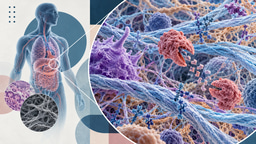
What excites me most is how the cell’s two major degradation systems – the ubiquitin–proteasome system and autophagy – work together to maintain cellular health. These pathways coordinate the removal of damaged proteins and organelles, especially under stress. New imaging, electron microscopy, and computational approaches now allow us to visualize and understand these processes in unprecedented detail.
What’s your lab management style? What do you look for in students and staff?
I enjoy working with knowledgeable, independent, and curious people who are not afraid to challenge ideas. Diversity in expertise, culture, and scientific background is essential for creativity and teamwork. I give my students and postdocs substantial freedom, while expecting responsibility and ownership of their projects. Collaboration within the lab is strongly encouraged, as it accelerates learning and discovery.
What do you consider your most important role as a group and institute leader?
I believe leadership means leading by example. A scientific leader should remain deeply connected to research and not be consumed by administration. Supporting people, solving problems transparently, and maintaining fairness and optimism, even in difficult situations, are essential for building strong and motivated teams.
What are the key ingredients for successful research collaborations?
In my career I had enormous fun working with many collaborators. Successful collaborations are built on shared scientific goals, trust, and open exchange of ideas and data. It is important to respect different expertise and lab cultures and to define expectations and credits clearly from the beginning. I have always enjoyed sharing unpublished ideas at conferences, as this often sparks productive and long-lasting collaborations.
Basic or clinical research? Focused or interdisciplinary? Academia or industry?
I see these as complementary rather than opposing choices. Basic and clinical research, interdisciplinary approaches, and close interactions between academia and industry are all needed. When integrated thoughtfully, they increase the chances of meaningful discoveries and real-world impact.
Lab webpage: https://biochem2.com/research-group/molecular-signaling
Two recent/key papers:
González, A. et al. (2023) Ubiquitination regulates ER-phagy and remodeling of the endoplasmic reticulum. Nature 618, 394–401. https://doi.org/10.1038/s41586-023-06089-2
Prieto-Garcia, C. et al. (2024) Pathogenic proteotoxicity of cryptic splicing is alleviated by ubiquitination and ER-phagy. Science 386, 768–776. https://doi.org/10.1126/science.adi5295
More information on the FEBS Theodor Bücher medal and plenary lecture at the 50th FEBS Congress
The Theodor Bücher medal is awarded annually by FEBS for outstanding achievements in Biochemistry and Molecular Biology or related sciences.
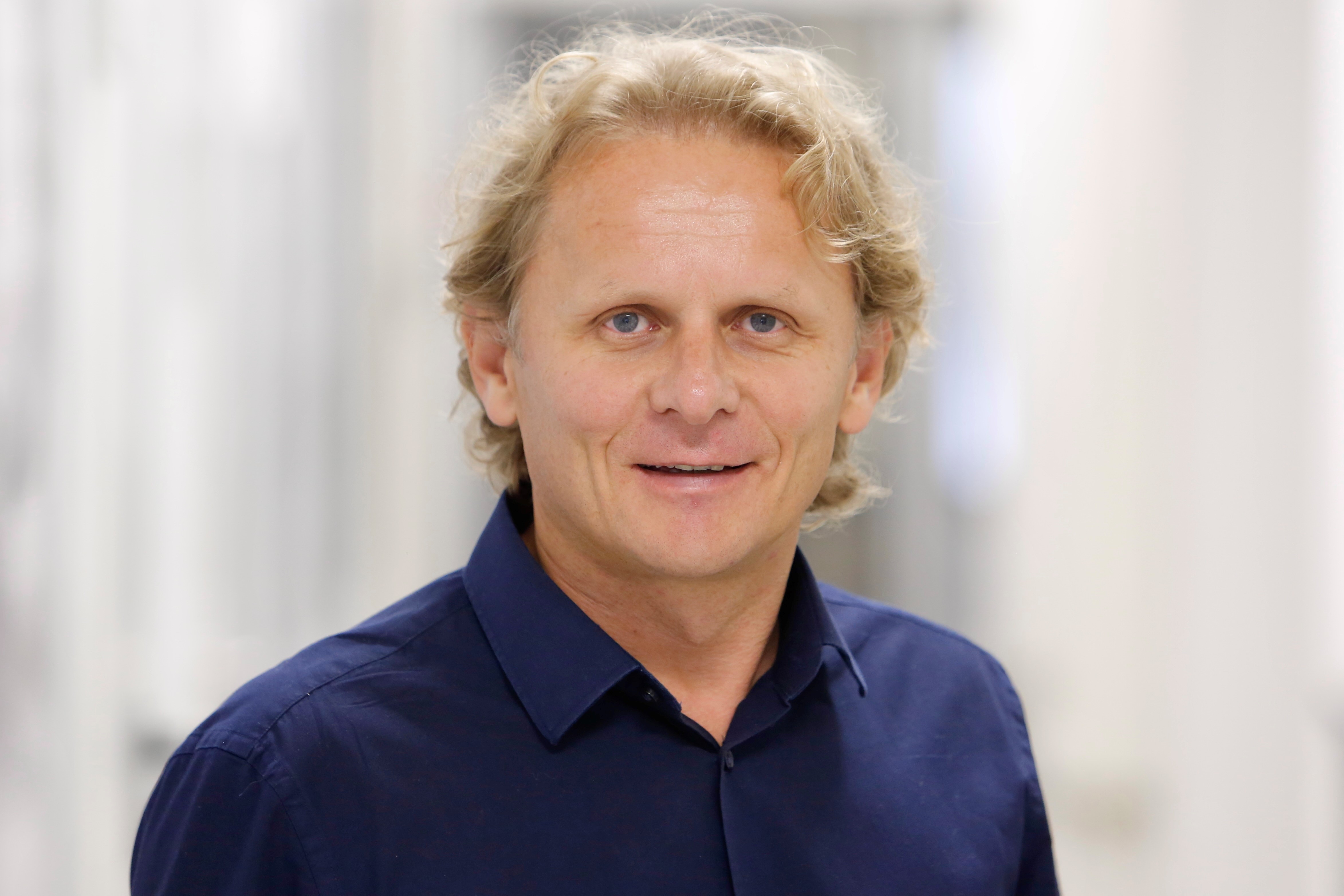
Ivan Đikić will be presented with the medal at the 50th FEBS Congress in Maastricht, the Netherlands on Sunday 5th July 2026, where he will deliver the FEBS Theodor Bücher Lecture on 'Guardians of cellular homeostasis: Ubiquitin–autophagy axis’.
Top image of post: by Gerd Altmann from Pixabay.
'FEBS Communications' posts general items from the FEBS Network Team as well as news on FEBS events and other activities.