Interview series: Meet Chrysi Kapsali, a FEBS Open Bio Poster Prize Winner

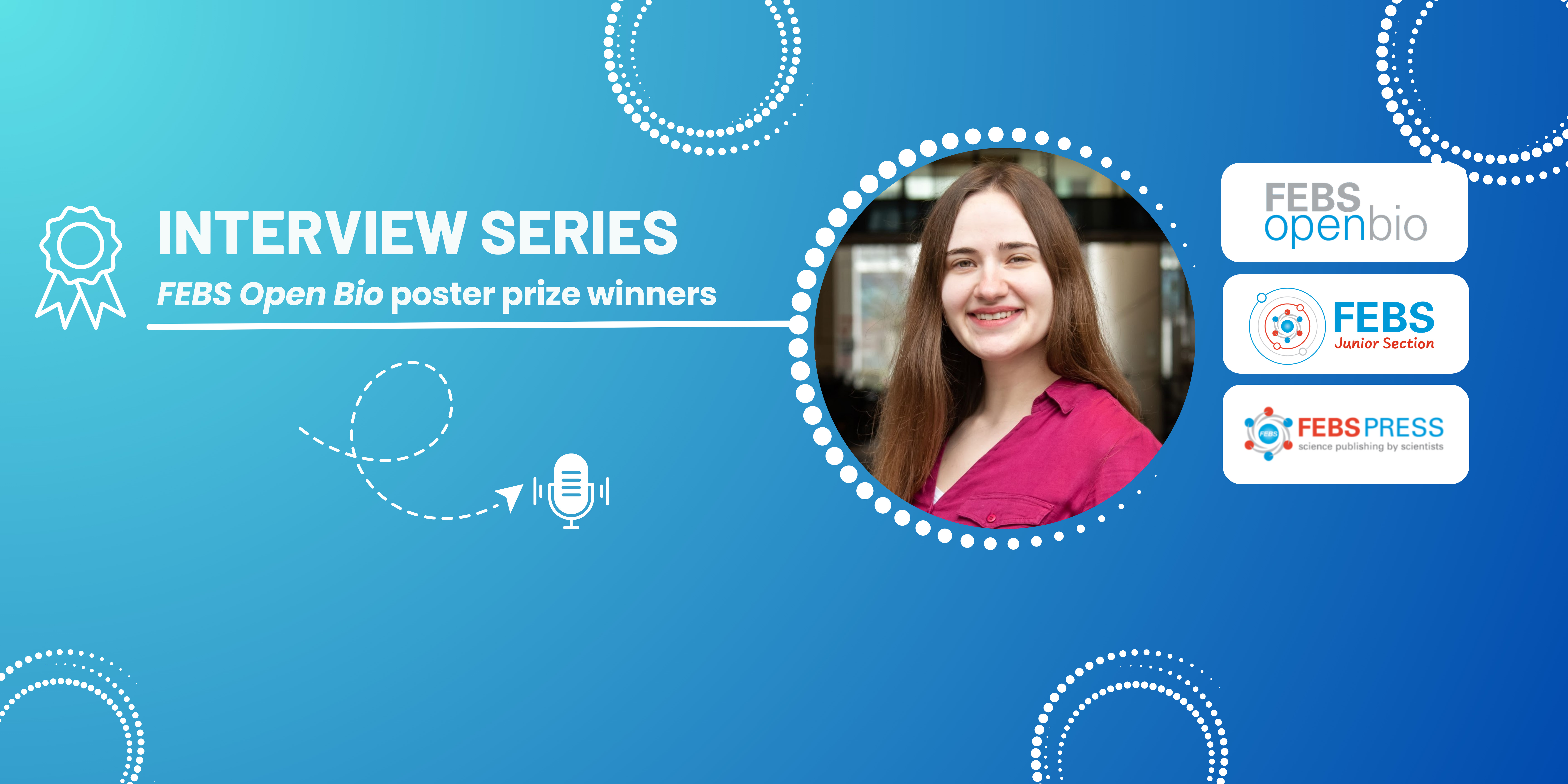
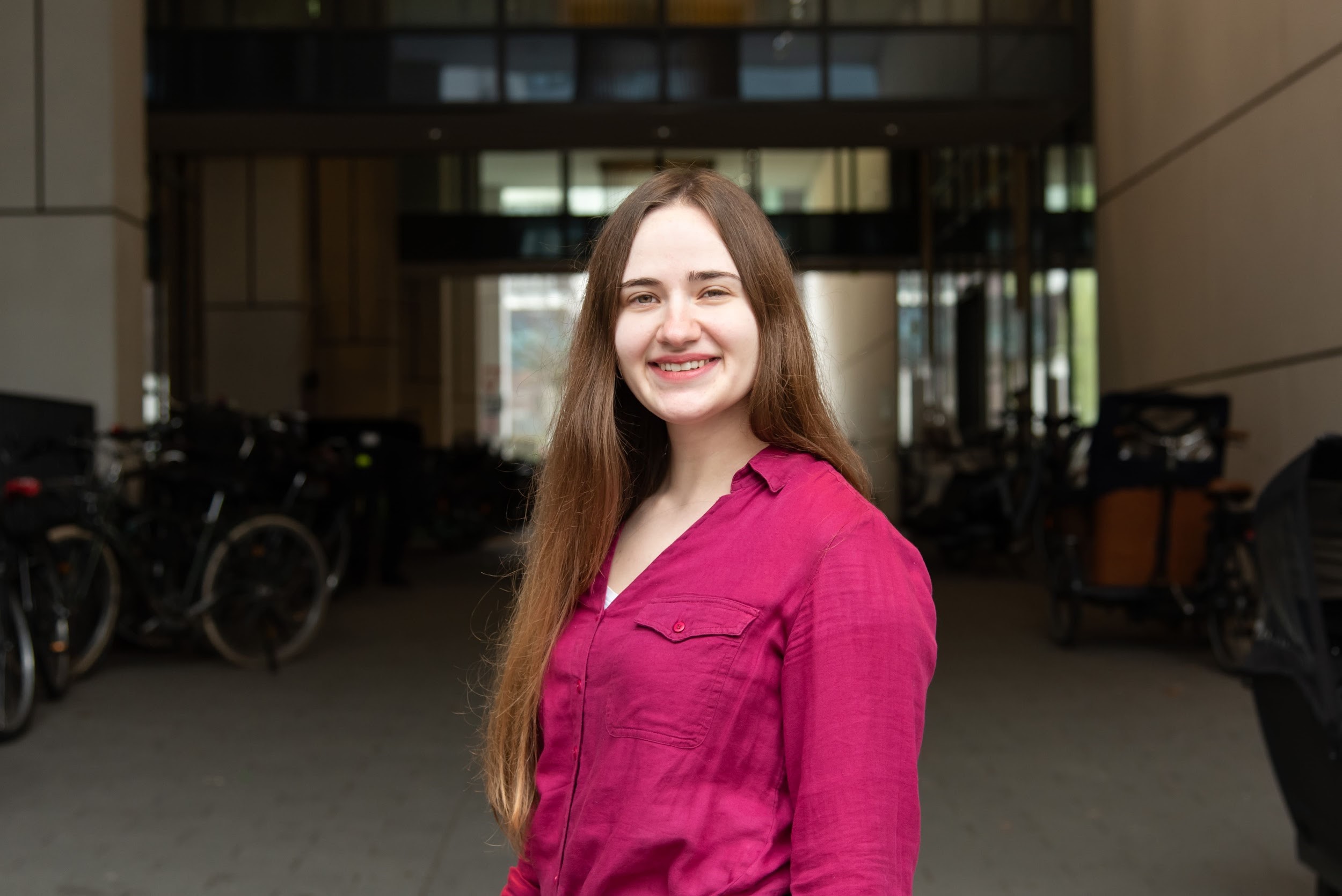
Our interviewee is Chrysi Kapsali, a PhD student from the Max Planck Institute for Biology of Ageing, and the University of Cologne, Germany. Chrysi received a FEBS Open Bio Poster Prize at the FEBS Advanced Course “PARP2025: from molecular aspects to medical applications” (11–15 May 2025) in Illkirch, France.
Tell us about your research topic/work. What project(s) are you working on? What is the aim of your study?
My research investigates RNA ADP-ribosylation as a dynamic post-transcriptional regulator during embryonic stem cell (ESC) differentiation. We are exploring how the levels of this modification change as mouse ESCs exit pluripotency and shift from glycolysis to oxidative phosphorylation, and what is the identity and function of the RNAs that are dynamically modified. Ultimately, the aim is to uncover its role in stem cell fate decisions and metabolism and its potential implications for PARP-targeted therapies.
Who or what inspired you to choose a career in science?
I've always been curious about how the world around me works. Biology has always fascinated me because it's happening all around us, it's part of us, and yet there are so many things still to understand and discover. I wanted to be part of this exploration.
How does it feel to receive a FEBS Open Bio Poster Prize as recognition for your work? How do you see this Prize influencing your career and future plans?
It is very motivating to get recognition for my work. Research can sometimes be discouraging because progress is not linear. Receiving this award for presenting my work makes me feel validated in my excitement about my project, since other people also see it as exciting. It motivates me to push through when things get harder and gives me confidence for my future plans.
What advice would you give to aspiring students/scientists?
What has helped me a lot so far in my research journey, and would be my advice, is not to take slow progress or failure personally. They are part of the process, and if we view them as such, then they are opportunities to learn and adapt, and be more creative with our ideas.
Where do you envision the future of your career?
I’m still open to different paths for my future career, but I know I thoroughly enjoy research. I enjoy the discovery, challenge, and opportunities for collaborations. That’s why I’d like to pursue it further, whether in academia or industry.