Interview series: Meet Beatriz Monforte Martínez, a FEBS Open Bio Poster Prize Winner

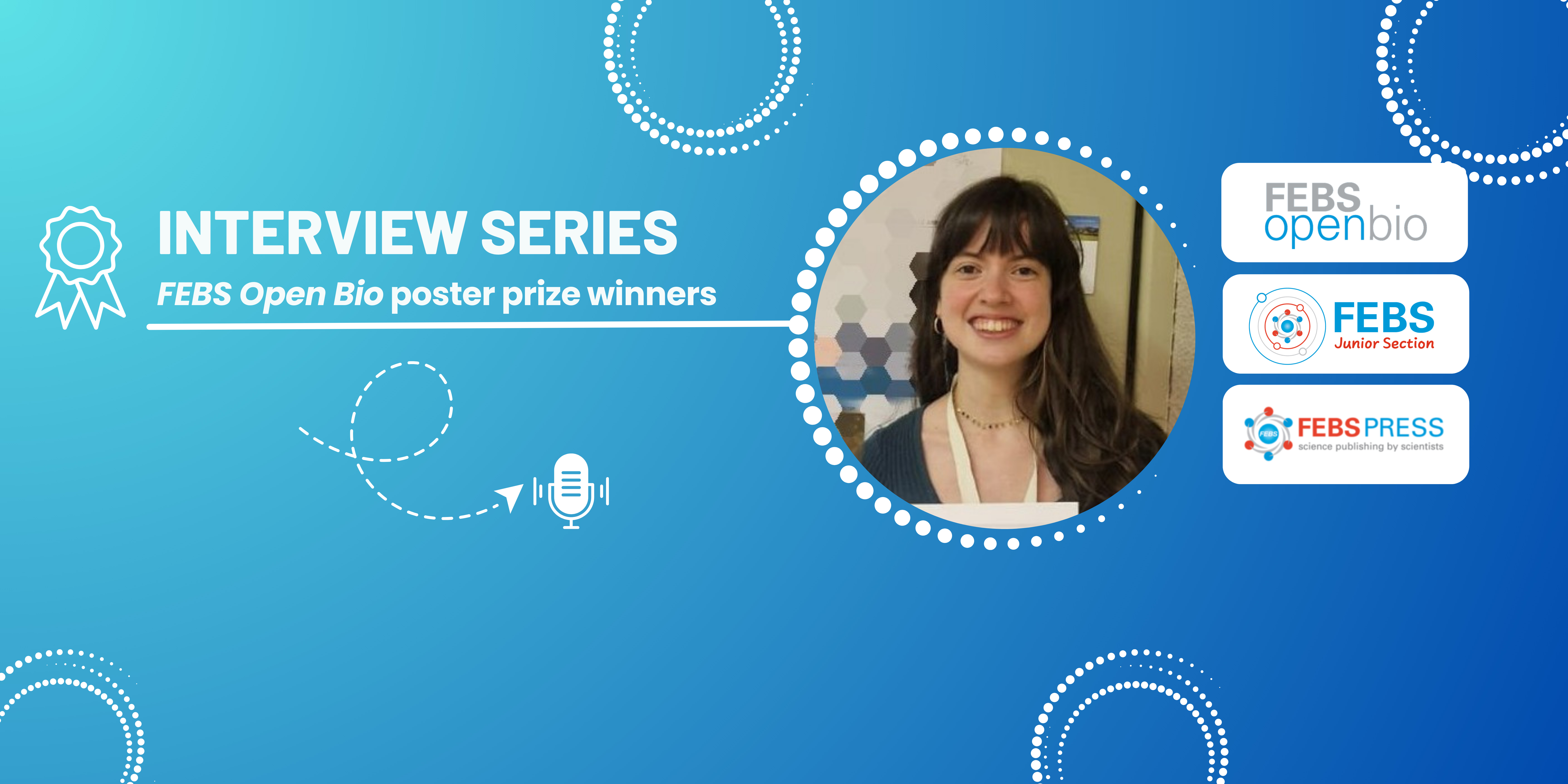
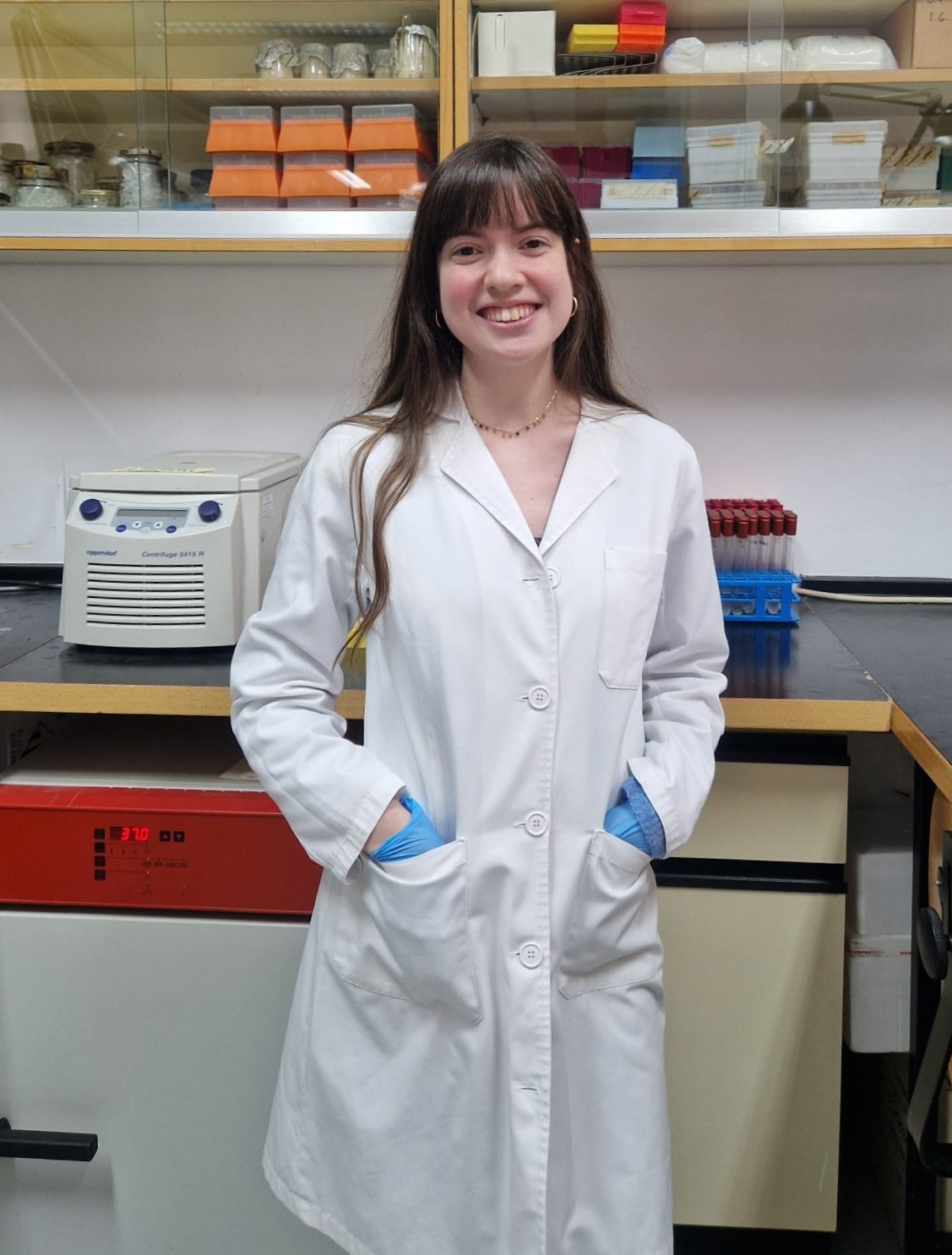
Our interviewee is Beatriz Monforte Martínez, a PhD student in the group named “Rare diseases related to autophagy and intracellular trafficking defects” at the Institute for Biomedical Research Sols-Morreale (IIBM), Madrid, Spain. Beatriz received a FEBS Open Bio 1st place Poster Prize at the SEFAGIA 2025 (Spanish Society of Autophagy) Congress held on 29–31 October 2025 in Miraflores de la Sierra, Madrid, Spain.
Tell us about your research topic/work. What project(s) are you working on? What is the aim of your study?
Our group focuses on the study of genetic diseases related to defects in autophagy using different cellular models, such as the social amoeba Dictyostelium discoideum, cultured mammalian cells, and the yeast Saccharomyces cerevisiae. Our aim is to elucidate the mechanisms underlying this process to use it as a therapeutic target.
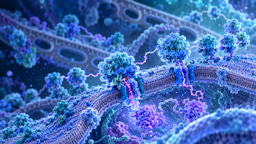
To provide some context, autophagy is an intracellular degradation process that is essential for cell survival under starvation conditions and for maintaining organelle homeostasis, and its dysfunction is directly associated with several rare diseases. Macroautophagy, the best characterized autophagy pathway, proceeds through a series of sequential steps. Part of our work is centered on understanding one of these steps, the phagophore elongation, which involves a protein complex composed of the ATG2 protein, a tubular protein containing a hydrophobic cavity responsible for the lipid transfer, and the PROPPIN proteins, which are phosphoinositide-binding proteins. These proteins mediate phagophore expansion by transporting lipids from the endoplasmic reticulum to the phagophore membrane. In mammals, this complex is composed of ATG2 and WIPI3/4 (PROPPIN) proteins. Mutations in the genes that encode these two WIPI proteins are associated with rare neurological diseases such as BPAN, caused by mutations in the WDR45 gene, which encodes the WIPI4 protein. The cytopathological basis of BPAN is not yet fully understood, although autophagy appears to play an important role in this disease. Therefore, the main objective of this work is to characterize molecular mechanisms that mediate the interaction between ATG2 and these WIPI proteins using their yeast homolog (Hsv2), as well as to investigate the effects of these interactions on the autophagy process.
Who or what inspired you to choose a career in science?
From a very young age, I have been curious to understand how the world works, and I have always been very clear that, whatever my profession might be, I would like to help people. With my small contribution to scientific research, I am helping to shed light on the unknown and, therefore, trying to improve the quality of life of people suffering from the diseases I study, which is something that brings me great joy.
Throughout my 24 years, I have had many scientific role models who have inspired me to choose a career in science. However, the person I would highlight the most is my father, a chemist who, due to circumstances, never got to work as a scientist. Nevertheless, his passion for scientific activity made me love science just as much as he does.
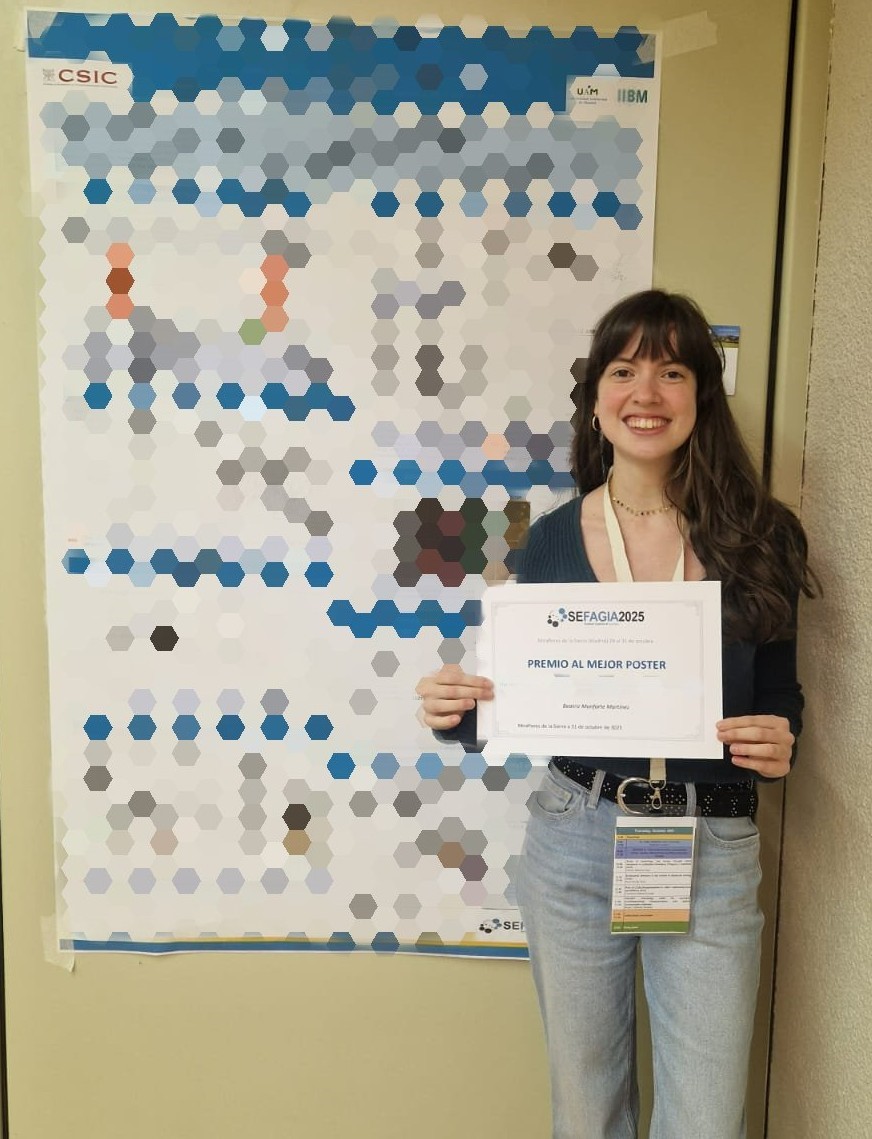
How does it feel to receive a FEBS Open Bio Poster Prize as recognition for your work? How do you see this Prize influencing your career and future plans?
A scientific career is a profession in which you often find yourself at dead ends, and you are forced to take detours down other paths that may not be any more promising. Therefore, winning this award, and winning it at the beginning of my career, fills me with pride and happiness. Knowing that there are people who believe that the work I have been investing my time in is worthy of an award motivates me greatly.
Receiving this award gives me the push I need to keep striving with even greater determination, as it shows me that what I do matters and that I am contributing a bit to the scientific community. In addition, being rewarded with this award gives me visibility, it allows me to connect with people in this field of work so that I can exchange knowledge and continue growing and thriving in this career.
What advice would you give to aspiring students/scientists?
As I mentioned before, this profession is challenging and full of setbacks. Therefore, the first thing I would say to new students who aspire to work in science is to have a strong sense of vocation, because when you are passionate about something, all the obstacles you encounter become less overwhelming. The second piece of advice I would give is to be eager to learn. This profession is not just about the practical side that we are so familiar with, but it also requires extensive reading and keeping up with new publications and studies that can be of great help to your personal enrichment, as well as to your own research.
Finally, I would tell them to be very patient. One of the main lessons I have learned during this year working in science is that most of the time, the results you get are not what you would like them to be, and it can be very frustrating. But one day you will succeed, and that day will erase all the bad times you had. Therefore, don't punish yourself for not succeeding, just be patient, because it will happen eventually.
Where do you envision the future of your career?
I am at the beginning of my doctoral thesis, so I am not yet sure what the future holds for me. It is true that working in research is something that I have wanted to do since I was very young, which is why I would love to continue in this profession with a postdoctoral contract once I have defended my thesis. This does not depend entirely on me, so whatever my future holds remains to be seen, and I hope it will be as rewarding as the path I have just begun.