Exploring transglutaminases in Padova
Transglutaminases are multifunctional enzymes operating at key regulatory nodes of cell signalling, protein modification, and tissue organisation. Initially characterised for their role in protein crosslinking, transglutaminases are now recognised as critical modulators of intracellular signalling, extracellular matrix dynamics, and immune responses. Their dysregulation has been causally linked to a broad range of human pathologies, positioning this enzyme family as a strategic target for both fundamental and translational research.
The new FEBS Advanced Lecture Course 'Transglutaminases in biological processes' will convene an international and interdisciplinary community to critically examine recent advances in transglutaminase biology and disease relevance. The course is designed to move beyond descriptive knowledge, focusing on mechanistic insight, emerging concepts, and unresolved questions that currently limit therapeutic exploitation. Particular attention will be given to how context-dependent transglutaminase activity shapes cellular fate decisions in health and disease.
The scientific programme will cover cardiovascular and neurological disorders, cancer, inflammation and autoimmunity, fibrosis and tissue remodelling, metabolic disease, and emerging pathological contexts. Across these areas, emphasis will be placed on causal mechanisms, disease-driving pathways, and the translation of experimental findings into therapeutic strategies. Novel experimental models, advanced analytical tools, and pharmacological approaches to modulate transglutaminase activity will be highlighted as enablers of future progress.
Scientific programme and training
Conceived as a FEBS Advanced Course, the event will integrate plenary and keynote lectures with seven focused thematic sessions led by internationally recognized experts. Each session will combine invited talks with selected contributions from early-career researchers, ensuring balanced representation of established and emerging voices in the field. Dedicated discussion slots will be embedded within the programme to promote critical exchange and cross-disciplinary interaction.
Early-career scientists will play an active role not only as speakers, but also as session co-moderators and contributors to short oral and poster flash presentations. This structure is intended to strengthen scientific dialogue across career stages and to foster the development of independent scientific thinking.
Training, networking, and career development are integral components of the course. Dedicated sessions will address academic and industrial career trajectories, and effective scientific communication. Informal networking events and social activities will provide additional opportunities to consolidate collaborations and build a cohesive transglutaminase research community.
Course topics
- Mechanistic roles of transglutaminases in cardiovascular and emerging pathologies
- Transglutaminases in cancer: molecular determinants and clinical relevance
- Transglutaminase-dependent pathways in neurodegeneration and neurological disorders
- Cell signalling and cell fate decisions regulated by transglutaminase activity
- Transglutaminase-mediated control of extracellular matrix remodelling and fibrosis
- Immune activation and tolerance: transglutaminases in coeliac disease and inflammation
- Experimental and therapeutic strategies to modulate transglutaminase function
Confirmed speakers
- Nicoletta Bianchi (University of Ferrara, Italy)
- László Fésüs (University of Debrecen, Hungary)
- Julie Elisabeth Heggelund (University of Oslo, Norway)
- Kyotaka Hitomi (Nagoya University, JAPAN)
- Gail Johnson (University of Rochester, USA)
- Timothy Johnson (Mestag Therapeutics, United Kingdom)
- Mari T. Kaartinen (McGill University, Canada)
- Jambrovics Károly (University of Debrecen, Hungary)
- Jeffrey Keillor (University of Ottawa, Canada)
- Soo-Youl Kim (National Cancer Center, Republic of Korea)
- Robert Király (University of Debrecen, Hungary)
- Chaitan Khosla (Stanford University, USA)
- Daniela Matei (Northwestern University, USA)
- Ian Maze (Icahn School of Medicine at Mount Sinai, USA)
- Mauro Piacentini (University of Rome, Italy)
- Estefano Pinilla (Aarhus University, Denmark)
- Lakshmi Santhanam (Johns Hopkins University, USA)
- Ludvig Sollid (University of Oslo, Norway)
- Fabio Stellari (Chiesi Pharmaceutics, Italy)
- Anne Marie Van Dam (VU University Medical Center Amsterdam, The Netherlands)
- Elisabetta Verderio Edwards (Nottingham Trent University, UK)
- David Vinson (Icahn School of Medicine at Mount Sinai, USA)
Venue
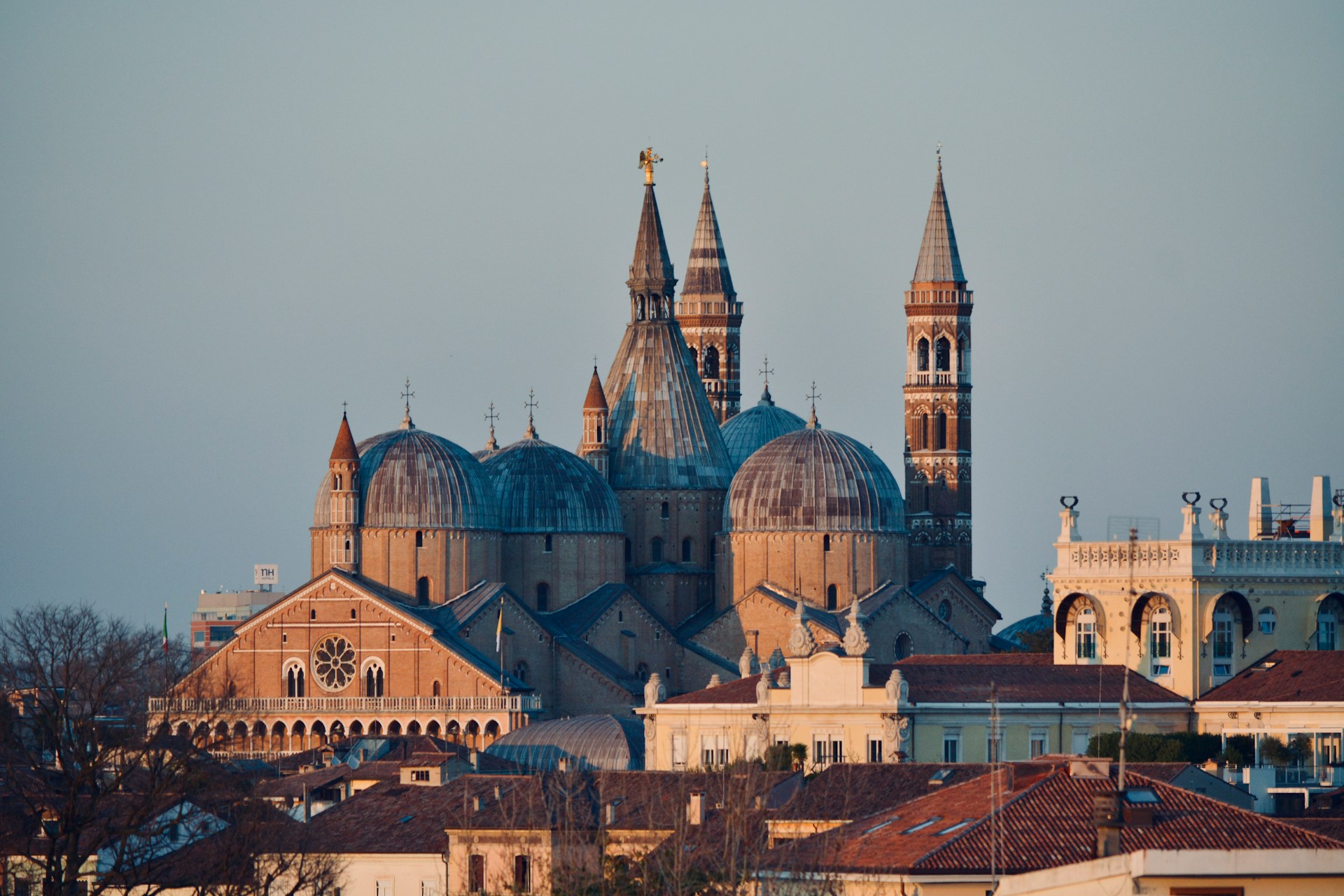
The course will take place in Padua (Padova), Italy, a historic city in the Veneto region that combines a rich cultural heritage with a vibrant academic and scientific environment. Padua is home to the University of Padua, founded in 1222, one of the oldest and most prestigious universities in Europe, renowned for its long-standing tradition of excellence in biomedical research and scientific innovation. The city offers an inspiring setting, with its UNESCO-listed Botanical Garden, historic squares, and close proximity to Venice, providing an ideal environment for scientific exchange, networking, and informal interaction.
More info & registration
Please visit the FEBS Advanced Lecture Course 'Transglutaminases in biological processes' website for more information and registration details.
Photo by Stefano Segato on Unsplash.