Connecting across scales and people at The New Microbiology
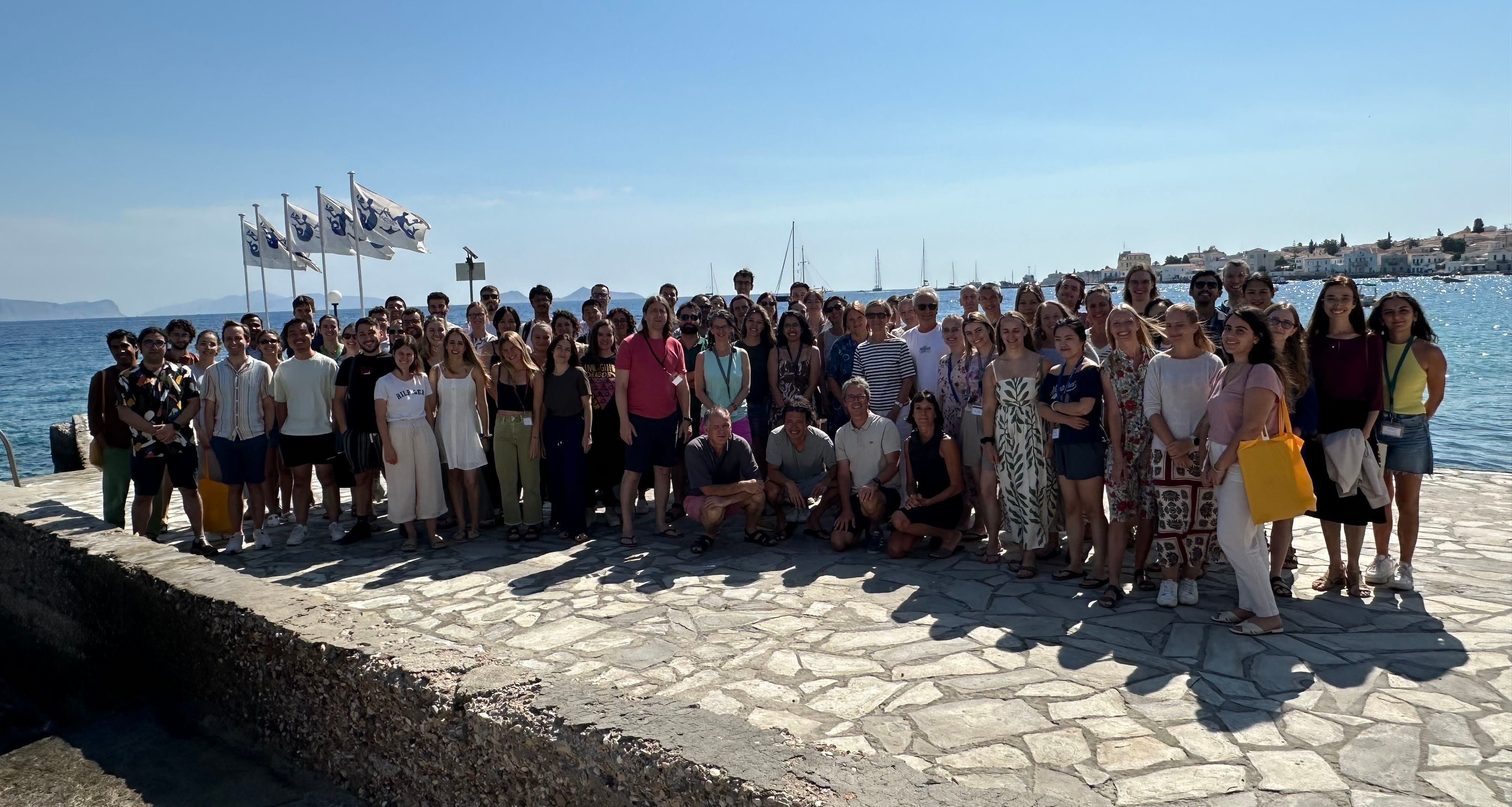
I recently had the privilege to attend the Joint FEBS/FEBS Lecture Course ‘The New Microbiology’, held in the beautiful island of Spetses, Greece (03 – 11 September 2025). Before arriving, I had heard of the rich history of the island, of its role in the Greek War of Independence, of the brave and noble commander Bouboulina. Once there, I discovered the course itself has a rich history, founded in 1966 by Marianne Grunberg-Manago as a molecular biology course, and transformed by Pascale Cossart and Roberto Kolter into an interdisciplinary meeting that celebrates the breadth of modern microbiology.
The course united experts spanning nearly every facet of microbiology, from phage and bacterial immunity to horizontal gene transfer, antibiotic resistance and persistence, biofilms, marine and gut microbiomes, microbial interactions, bioenergetics, bacterial evolution and phylogeny, and much more. As a PhD student, I typically spend most of my time focused on narrower questions. Hearing such diverse perspectives allowed me to gain insights into many rapidly moving fields at once, to connect understanding across methods and scales, and to identify shared challenges that constrain progress (for instance, the difficulty of working with non-model organisms). These broader insights gave me a clearer sense of how my own research fits within the greater landscape of microbiology. Another highlight of the course was preparing a journal club presentation. This gave us yet another opportunity to explore unfamiliar concepts, engage deeply with new literature, and to interact more closely with other participants and the lecturers.
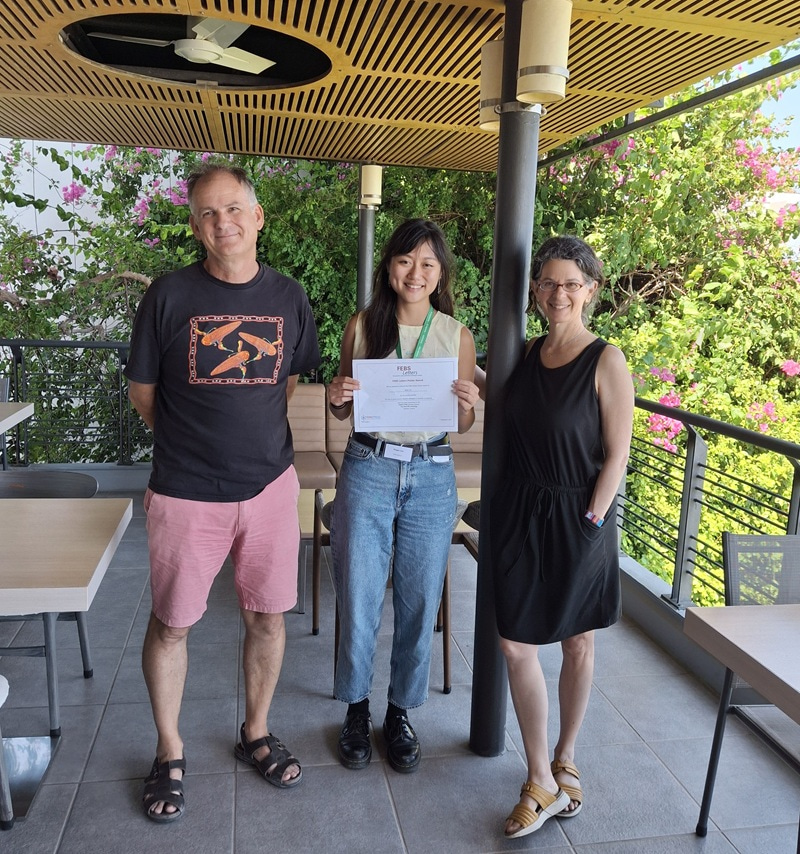
The participants themselves were as diverse as the topics covered, from early PhD students to postdocs, and from ecology to molecular microbiology. This diversity created an atmosphere of curiosity and enthusiasm that was especially palpable during the seaside poster sessions, where all students had the chance to share their work and exchange ideas. I was also fortunate enough to receive the FEBS Letters Poster Prize, which came with the opportunity to present my research to the whole group. As an early PhD student, this was a unique opportunity to gain valuable feedback on next steps, connect with others working on similar questions, and gain experience presenting in front of a large audience. One discussion even led to the prospect of an exciting future collaboration with one of the lecturers.
Beyond the science, what I will cherish most about this course are the personal connections I was lucky enough to form. The course fostered a friendly and open atmosphere. We shared rooms, meals, coffee breaks, and swims in the clear Mediterranean Sea. Conversations often drifted from our personal lives to research to broader reflections on life in academia. Dinners were organized so that students and lecturers would mix, and I thoroughly enjoyed getting to know lecturers on a more personal level, learning about how they came to be interested in the questions they are today, the hurdles they faced along the way, and how they overcame them. It was in these informal conversations that the spirit of the course truly came alive, and I felt part of a community united by curiosity and enthusiasm for discovery.
Attending this course left me with new knowledge, friendships and collaborations, and renewed excitement and motivation for my research. I am deeply grateful to the organizers – Dianne Newman, Bruno Lemaitre, and Athanasios Typas – for organizing such a well-structured, thoughtful, and comprehensive program, and to FEBS and EMBO for supporting this course.
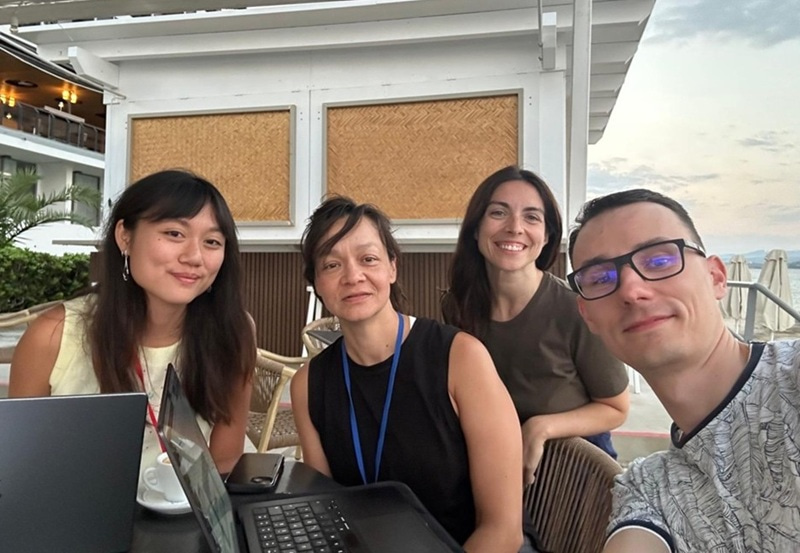
Megan Lee's journal club presentation group during the Joint FEBS/EMBO Lecture Course ‘The New Microbiology’. Credits: Mateusz Noska.
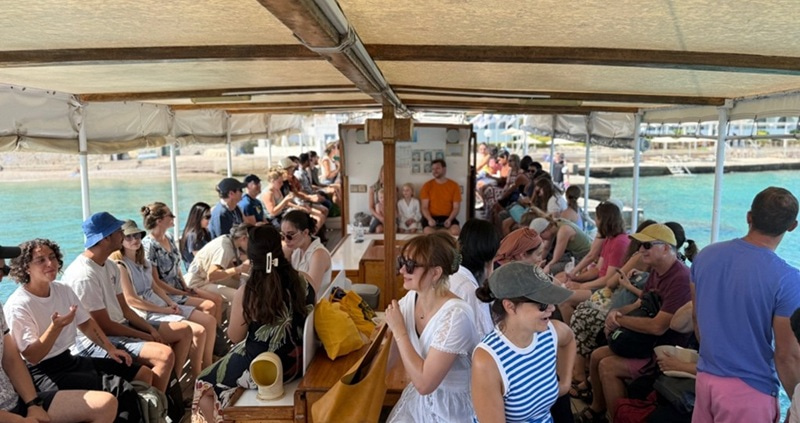
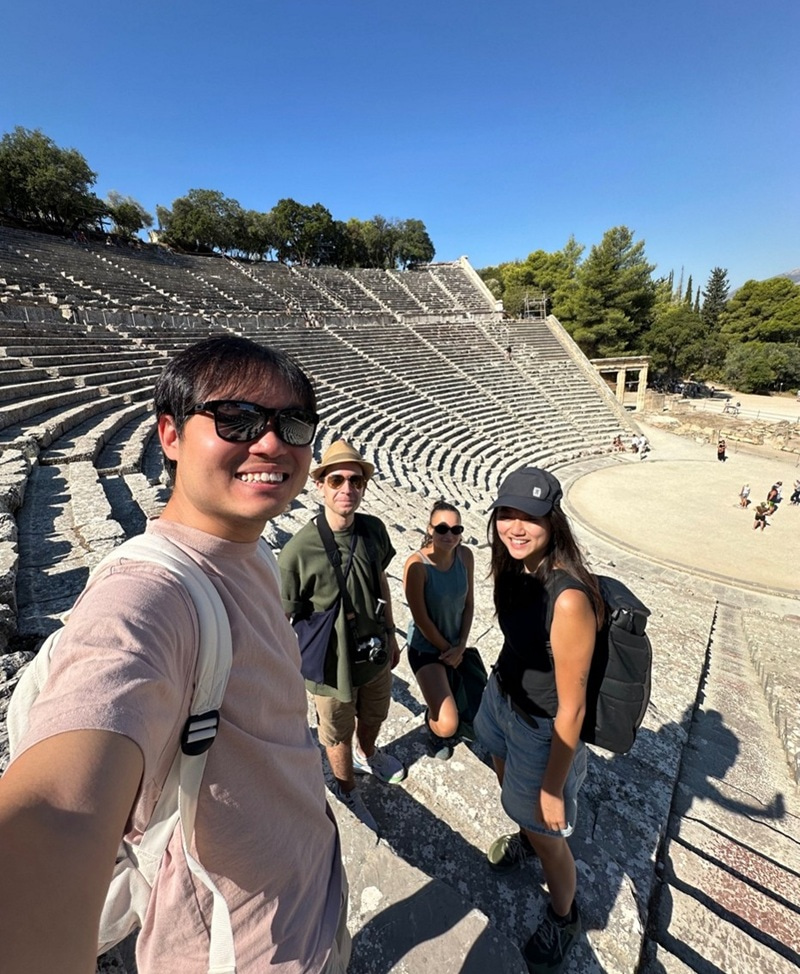
Excursion to Epidaurus theater during the Joint FEBS/EMBO Lecture Course ‘The New Microbiology’. Credits: Ryan Teo.
For more information about the FEBS Advanced Courses programme visit the FEBS website.
Photos provided by Megan Lee and the course organizers.