Computational approaches for enzyme catalysis
Since starting my PhD with Caroline Paul at the TU Delft I have been looking with a side eye at the ever-growing supply of computational tools in the field of biocatalysis. My work is mainly wet lab focused but a mix of curiosity and fear of missing the boat created a great sense of urgency to learn about these methods and tools and eventually maybe even utilize them. This culminated in a search for a graduate course surrounding these topics and a solution presented itself in the form of the FEBS Practical and Lecture Course ‘Computational approaches to understanding and engineering enzyme catalysis’ (29 Sep – 3 Oct 2025), organized in Stockholm, Sweden.
When I arrived, I was a bit anxious that the bar was too high, since I knew only 2 Linux commands, but quickly it was clear that a real effort was put into bringing computational and experimental communities together, and I could follow along and participate much more than I had expected.
The course touched on a multitude of aspects connected to computational enzyme design including QM/MM methods, temperature dependence, and fast-design strategies. Molecular dynamics for protein engineering, conformational analysis, and interaction-network based approaches. AI-driven protein design covering ProstT5, PDBe/EBI tools, and de novo design.
What was great was that there was a 50/50 split of lectures and hands-on workshops. This meant that immediately after hearing about a certain topic we could try it out with assistance from the experts themselves. I think this was very useful, especially for computational methods where the goal is to integrate it into the research workflow.
But apart from absorbing knowledge we were also asked to provide some: this came in the form of poster sessions and a pitch session. This was also an opportunity to get to know other PhD students and postdocs and dig into the research. The quality of the work and expertise of these people was amazing, and we talked about many things ranging from spotting potential hypes, critical reflections of our own work, scientific ideas and advice, and maybe even gossip about professors.
For me, the lecture by Lynn Kamerlin and Gyula Hoffka really stood out. They presented tools for identifying hotspot residues, such as KIN/KIF, which could be highly useful in protein engineering. After the lecture, I approached Gyula, and he patiently explained, step by step, how to use the tools. This inspired me to make a plan to perform MD modeling and use the results as input for their open-source tools.
On Thursday we had a very special lecture session and dinner both in the KTH Reactor Hall. During the dinner there was even a choir that sang beautiful Swedish songs (you can see more photos on the Syrén Lab's website). Their voices carried and resonated throughout the hall in this giant cathedral of science resulting in an unforgettable harmonic experience. The atmosphere during the dinner was one of a kind and truly unique. Then the poster prize was awarded adding yet another highlight to this already action-packed week.
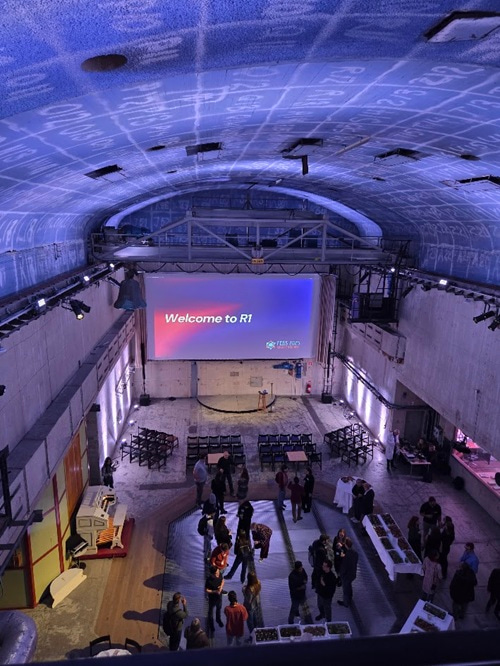
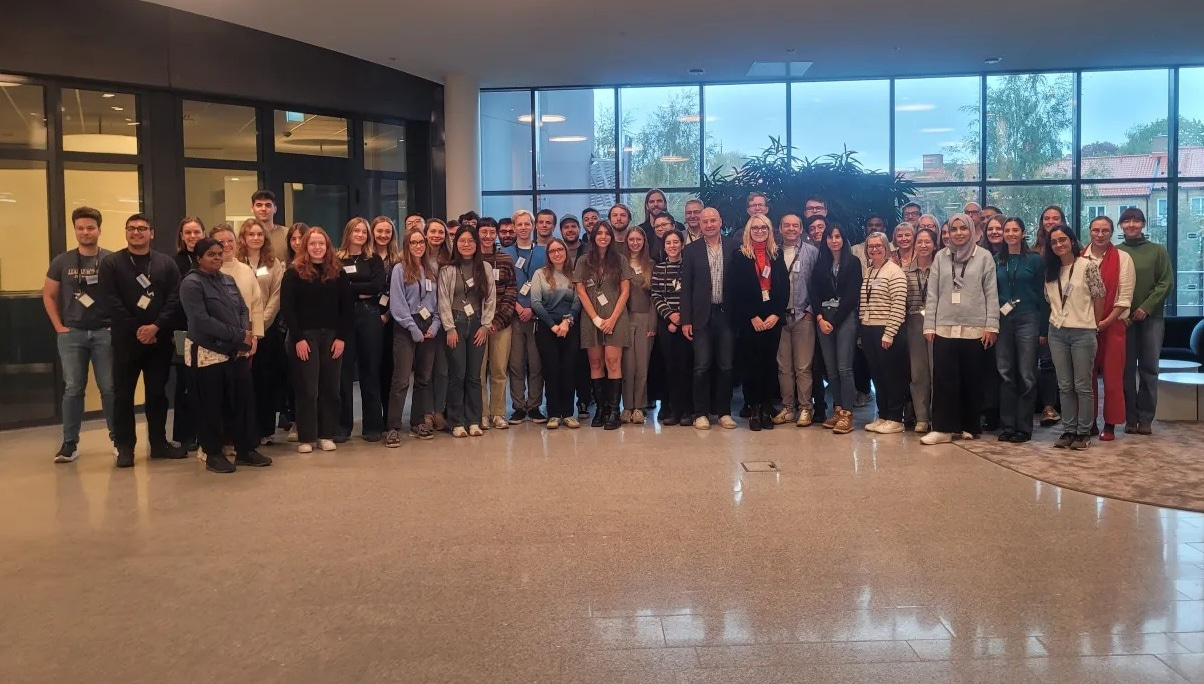
‘Computational approaches to understanding and engineering enzyme catalysis’.
Photo by Thijs van 't Riet.
One of the lectures after dinner was given by the 2024 Nobel Prize winner David Baker, a great opportunity to hear from a leader in protein design. On Friday, together with a few other attendees, we visited the Nobel Prize Museum where there was an exhibition highlighting his work, which by then was already old news for us.
Overall, this course was an amazing experience and helped me get a better understanding of the possibilities that computational approaches can offer. It has inspired me to plan how to apply some of these methods in my own work, while also showing me which approaches are currently too ambitious for me to implement.
I am very grateful to be the recipient of the FEBS Youth Travel Fund grant for covering the registration and accommodation. It is great that FEBS really tries to make these courses as accessible as possible for all PhD students and young postdoctoral scientists from the FEBS area. I would also like to thank the course's organizing committee for putting together this course and, last but not least, the supporting PhD students, for helping with the practical day-to-day running of the program.
For more information about the FEBS Advanced Courses programme visit the FEBS website.
Top image by the Syrénlab.