
Launched in 2011, FEBS Open Bio is an online-only open access journal for the rapid publication of research articles in molecular and cellular life sciences in both health and disease. The journal's peer review process focuses on the technical soundness of papers, leaving the assessment of their impact and importance to the scientific community.


The FEBS Journal is an international journal devoted to the rapid publication of full-length papers covering a wide range of topics in any area of the molecular life sciences.

Biophysical chemistry, structure of proteins, applications of spectrometric methods in biochemistry, practical training of students
KENFACK YMBE PARFAIT WILFRIED
PhD student in Biochemistry/Physico-Chemistry, Bordeaux University
Aleksa Savić
Graduate Researcher / 1st year PhD student, Innovative Centre of the Faculty of Chemistry in Belgrade, ltd.
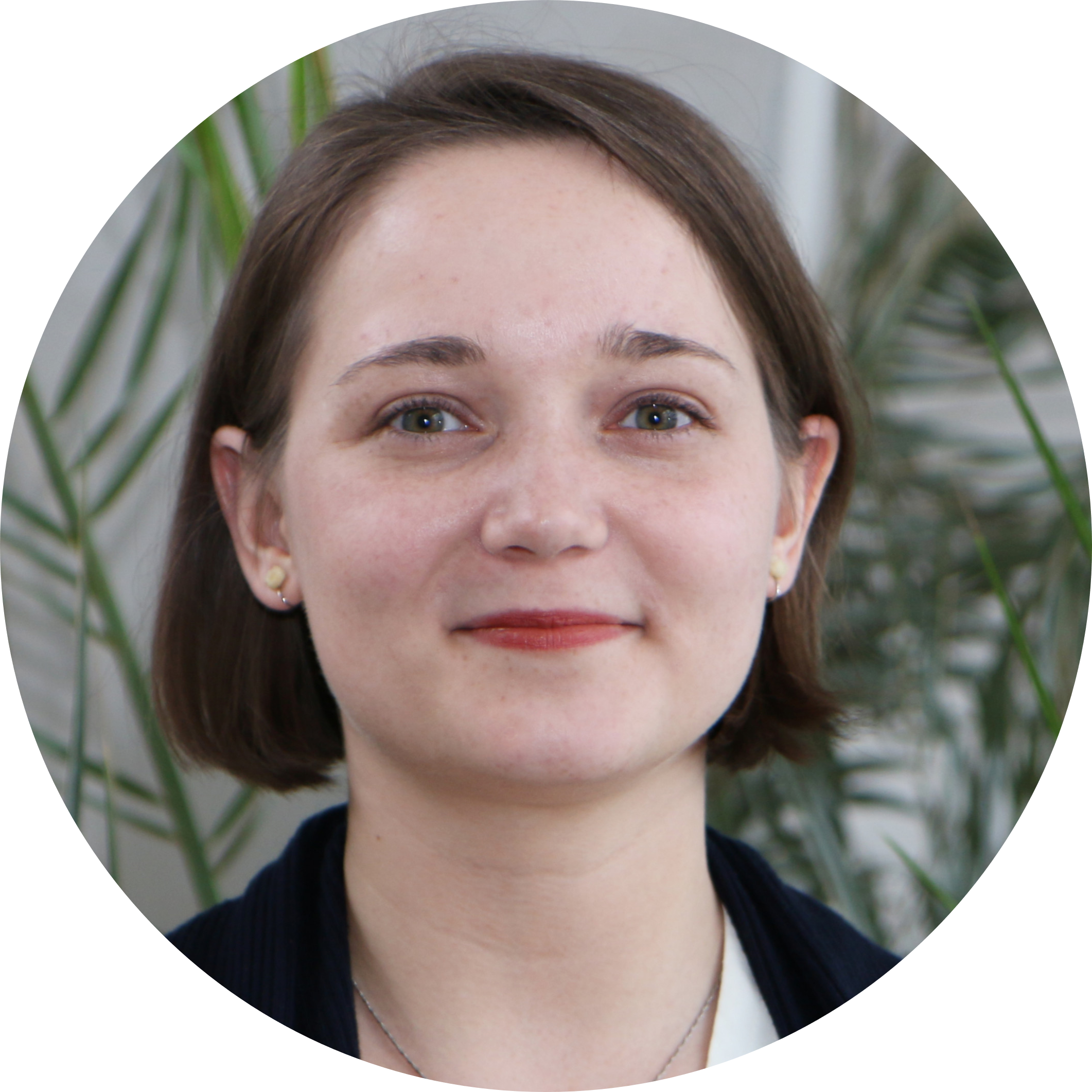
Agata Witkowska
Postdoctoral Researcher, Leibniz-Forschungsinstitut für Molekulare Pharmakologie (FMP)
I am a neuroscientist and biophysicist interested in processes reshaping membranes in neurons.
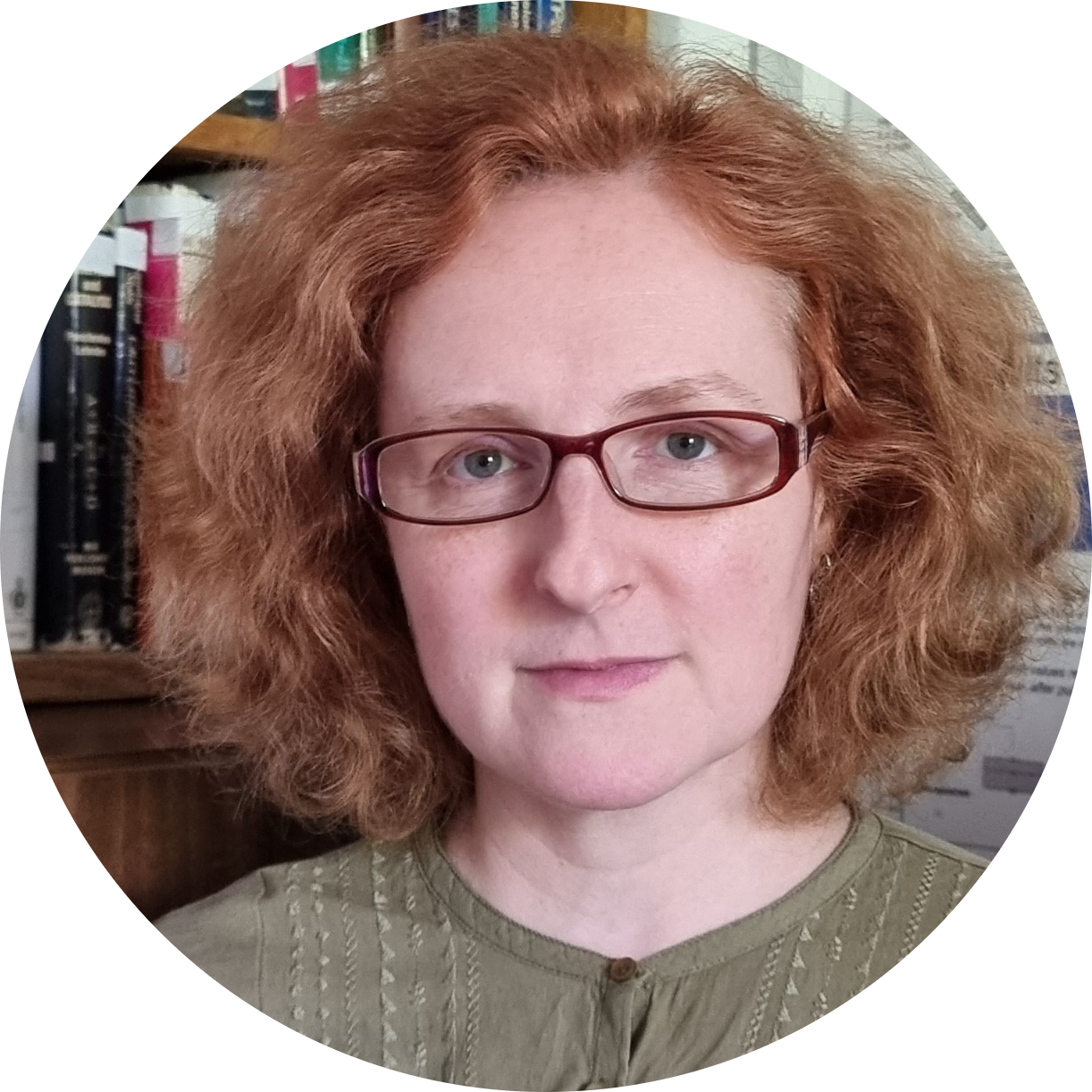
Luminita-Claudia Miclea
MD, Assistant researcher, PhD (soon to be, defense 30.09.2025), Center Excell. Res.Biophys. Cell. Biotech., Carol Davila University of Medicine and Pharmacy

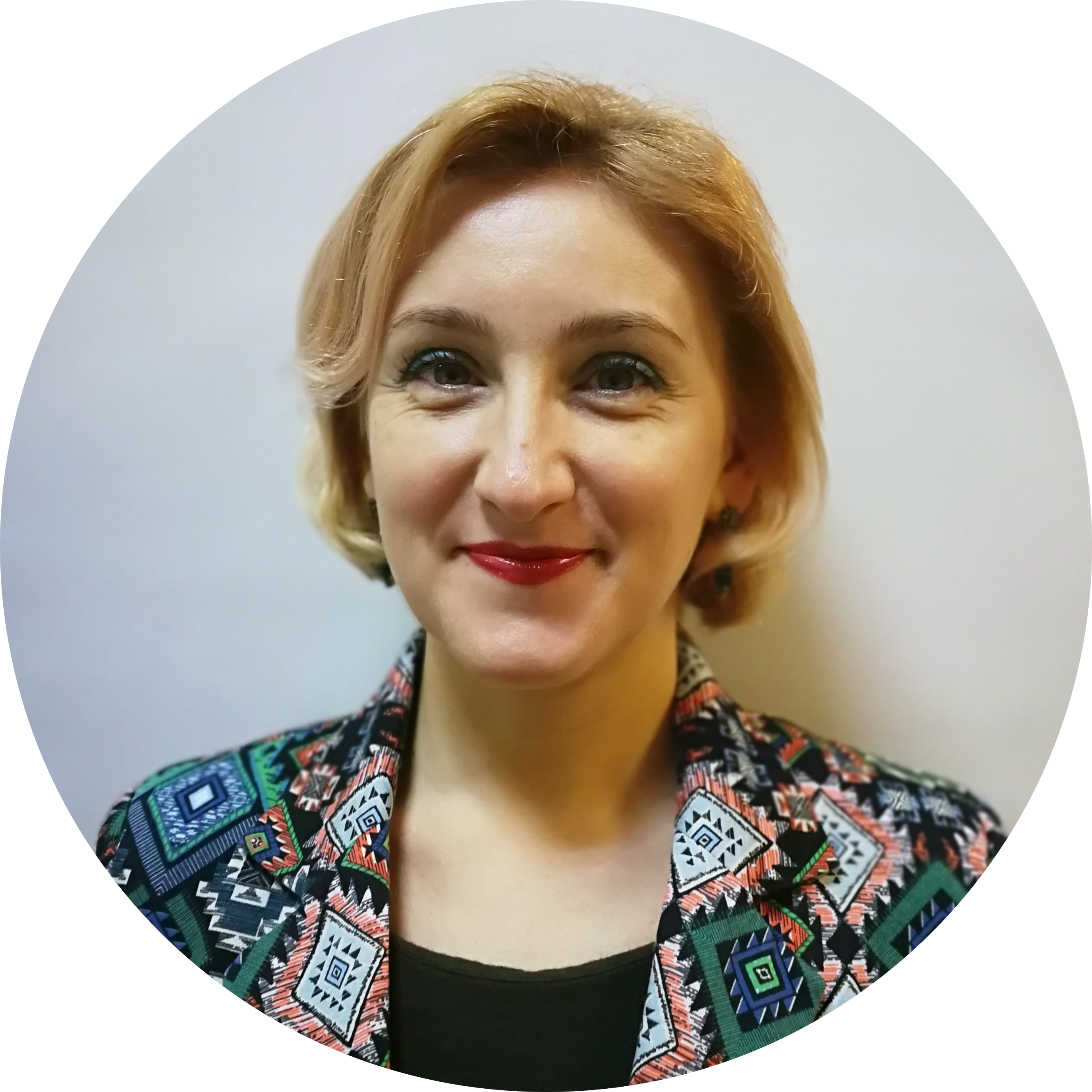
Agrifood biochemistry and biotechnology
Adela Pintea
Professor, University of Agricultural Scirnces and Veterinary Medicine Cluj Napoca

RSBMB aims to promote Biochemistry and Molecular Biology in Romania and hosts all those interested to contribute to the progress of this field and the dissemination of knowledge.
RSMBM provides the framework for debate and dialogue related to the structure, results and future of the Romanian Molecular Life Science research and education, through Meetings, Seminars, Courses and Publications. It also aims to create the necessary bridges between experts, authorities and the public to confront sensible issues and concerns generated by the advance of this sicientific field.

My research interests focus on the roles mitochondria play in aspects of eukaryotic life, ranging from their origin, metabolism, biogenesis and role they play in cell death pathways. These are interrogated using biochemical, molecular biology, genetic and cell biology techniques. I incorporate these interests into classes I teach to provide an understanding of practical techniques and also the current literature in the field. I studied biochemistry at the University of Leeds, with an industrial placement at Astra Charnwood, followed by a PhD at the University of Bristol, supervised by Professor Andrew Halestrap, to characterise the molecular composition of the mitochondrial permeability transition pore, with support from MitoKor. My post-doctoral training on the mitochondrial pathway of apoptosis supervised by Dr Doug Green was at the La Jolla Institute of Allergy and Immunology in San Diego, California and St Jude Children's Research Hospital in Memphis, Tennessee. I then was an associate research scientist working in the laboratory of Professor Alexander Tzagoloff at Columbia University in New York to study biogenesis of mitochondrial cytochrome c oxidase in budding yeast, Saccharomyces cerevisiae. I held independent positions as assistant professor at the New York Institute of Technology in New York and Staffordshire University in Stoke-on-Trent where I continued my research and taught subjects related to biochemistry, cell biology, genetics and molecular biology. I am now a senior lecturer in biotechnology at Liverpool John Moores University. I am a strong supporter of scientific communications and outreach to disseminate scientific developments and knowledge to a broader audience with the goal of increasing the general support of the scientific process. I also direct Biomed News, a free biomedical research literature discovery platform that uses machine learning.
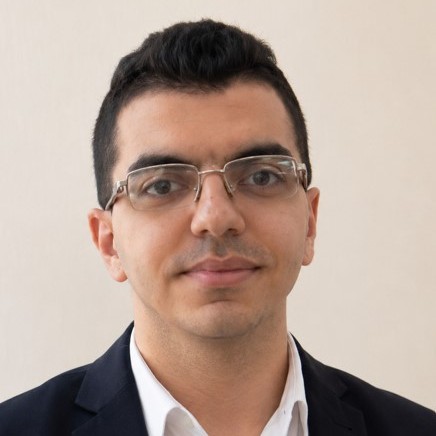
Mohamed Esmat Mohamed
MSc Researcher in Cancer Biology, National Cancer Institute, Cairo University
Cancer Biology & Immunology Researcher | MSc. Cancer Biology, National Cancer Institute, Cairo University
Interdisciplinary researcher working at the intersection of cancer biology, cancer immunology, molecular biology, and multi-omics. My research interests focus on T-cell biology, tumor–immune interactions, tumor microenvironment, immune cell plasticity, and molecular mechanisms shaping cancer progression and therapeutic response.
I combine computational analysis, literature-based research, and hypothesis-driven approaches to investigate regulatory mechanisms in cancer and immunity, with a growing focus on integrating these approaches with experimental cancer research.
I am also engaged in Open Science, preprints, open-source research tools, and community peer review, with an interest in reproducible and accessible biomedical research.
The FEBS Junior Section is organised by students and young researchers from some FEBS Constituent Societies. They develop joint activities, such as online talks and other events, and share resources, as well as open doors for young European scientists to opportunities outside their home countries by providing the relevant contacts and fostering communication within the network.