When the people behind the papers become your colleagues for a week
As early-career researchers, we spend much of our time reading papers. Over time, some names become familiar. The authors behind the methods we use, the discoveries that shape our experiments and the ideas that inspire new questions. We follow their work, cite their publications and sometimes even follow them on LinkedIn, where they can seem almost larger than life.
Then, one day, you find yourself having coffee with them.
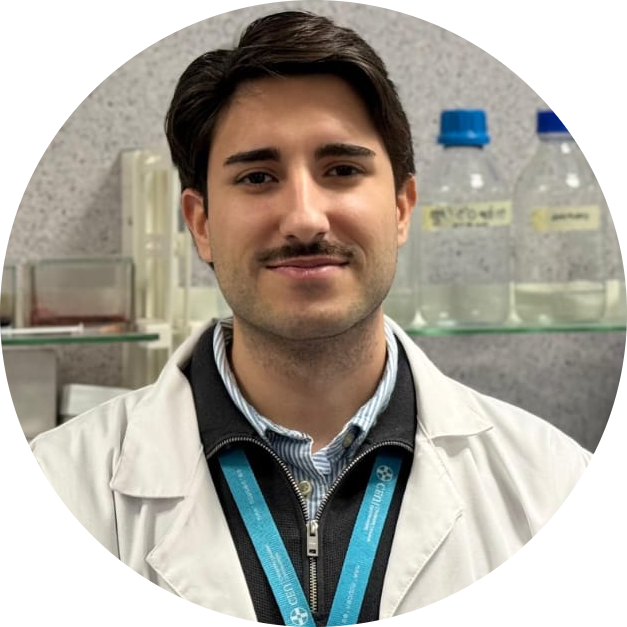
That was one of the things that struck me most during the FEBS Advanced Lecture Course 'Retina in a Dish: Methods & Applications in Life Sciences'. Of course, I expected outstanding lectures and the opportunity to learn cutting-edge techniques. What I did not expect was how approachable everyone would be and how naturally scientific discussions would continue long after the presentations had ended.
As a PhD student working in retinal research, I was particularly excited about the scientific programme. Throughout the week, experts shared decades of experience on organotypic retinal explants, primary retinal cell cultures, disease models, functional assays and emerging therapeutic strategies. For someone working with these systems, the experience was especially relevant. It provided a deeper understanding of the strengths and limitations of different ex vivo models, practical considerations that rarely appear in published protocols and experimental design insights from researchers who developed many of these approaches.
One aspect I especially appreciated was that the course was not limited to presenting successful experiments. Speakers openly discussed troubleshooting, failed approaches, technical pitfalls and the small details that often determine whether an experiment succeeds or not. Those conversations are difficult to capture in a scientific paper but are invaluable for anyone beginning to work with these models.
Beyond the laboratory techniques, the course offered something equally important: a broader perspective on scientific careers. Sessions dedicated to scientific publishing, grant writing, funding opportunities, industry careers and entrepreneurship highlighted that becoming a researcher involves much more than generating data. Learning how to communicate science, obtain funding and think strategically about future projects is just as important as mastering experimental techniques.
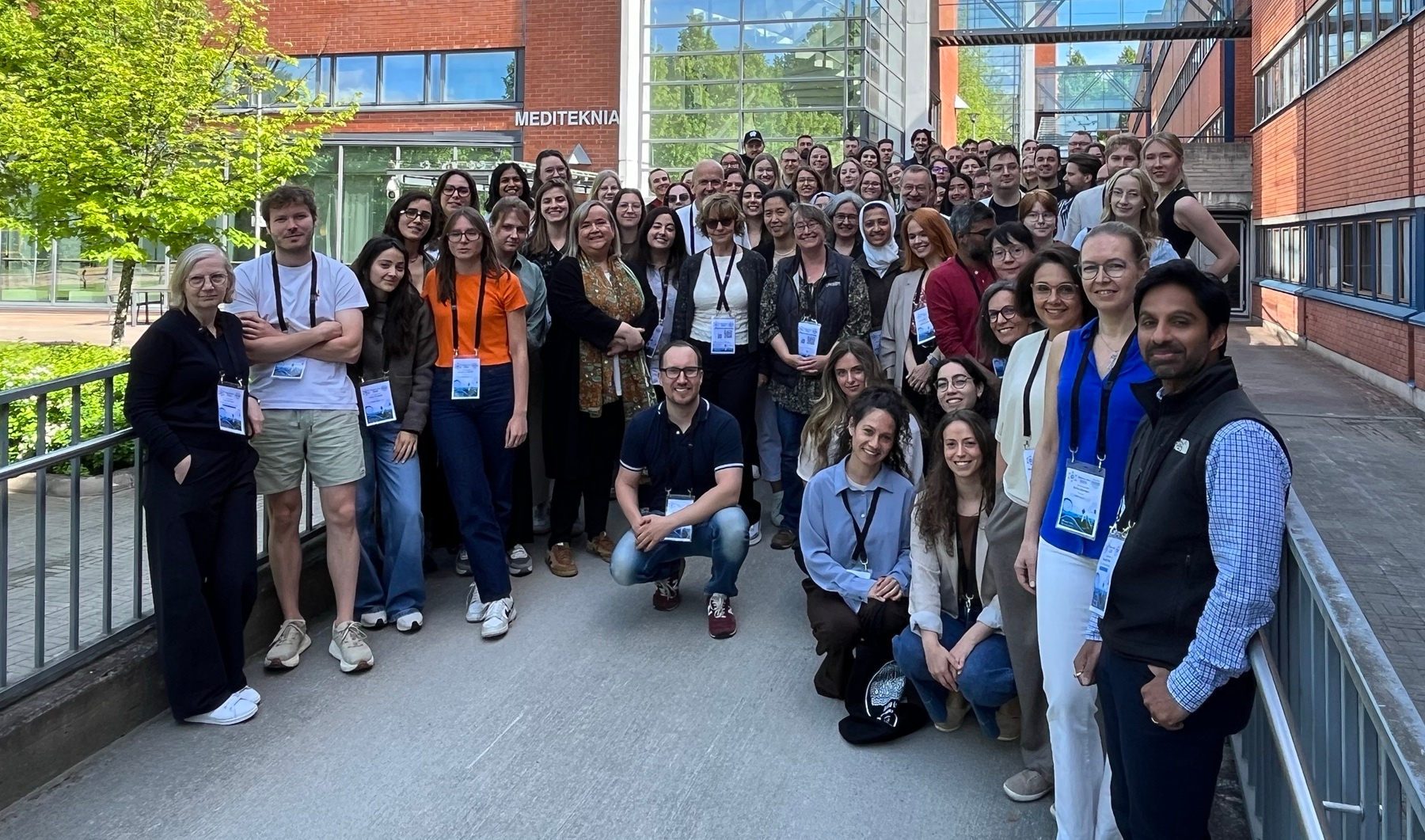
For me, one of the greatest strengths of the course was its atmosphere. Large conferences can sometimes feel overwhelming, with limited opportunities to interact with senior scientists. Here, those barriers almost disappeared entirely. Conversations continued during coffee breaks, poster sessions, meals and social activities, often extending far beyond the formal programme, allowing early-career researchers to gain perspective not only on the science, but also on the people behind it.
Presenting my own research and receiving one of the Best Poster Awards was both unexpected and deeply encouraging. More valuable than the award itself were the discussions that followed. Constructive feedback, new ideas and the opportunity to exchange perspectives with researchers whose work I had admired for years. Those conversations reminded me that science progresses through collaboration and openness far more than through competition.
The course also reminded me why I chose retinal research in the first place.
Retinal diseases have always been part of my family’s history. Growing up, they were never simply topics in textbooks or diagnoses in medical reports. They were conversations around the dinner table and questions that often had no satisfying answers. That personal connection is one of the reasons I decided to dedicate my research to understanding the retina.
Throughout the week, I was surrounded by people who have devoted decades of their careers to answering those same questions. Their passion was contagious, but perhaps even more importantly, it was reassuring. It reminded me that progress is being made every day, even if it often comes in small, careful and sometimes invisible steps.
When I return home after every conference, my grandmother always asks me the same question:
“Have you discovered something?”
The honest answer is usually no.
Not because nothing happened, but because science rarely moves through dramatic breakthroughs. It advances through careful experiments, thoughtful discussions, shared knowledge and collaborations built over time.
After this course, I still cannot tell her that we have found the cure for retinal diseases.
But I can tell her that we are one step closer.
I would strongly encourage any early-career researcher to attend courses like this. They offer something that papers and protocols alone cannot provide: a direct view into how experimental systems are built, discussed and improved in real time, within a community that is genuinely willing to share its knowledge.
For me, that is the real value of this kind of experience.
Not only learning new techniques, but also learning how science is actually done and, perhaps most importantly, meeting the people behind the science.
Read a post by the main organizer, Henri Leinonen, on the challenges and joys of delivering the course ("Would anyone actually come? Personal reflections on organizing a FEBS Advanced Lecture Course in Kuopio", on the Leinonen Retina Laboratory Blog).
Top image provided by the course organizers.