Integrative structural biology by the sea

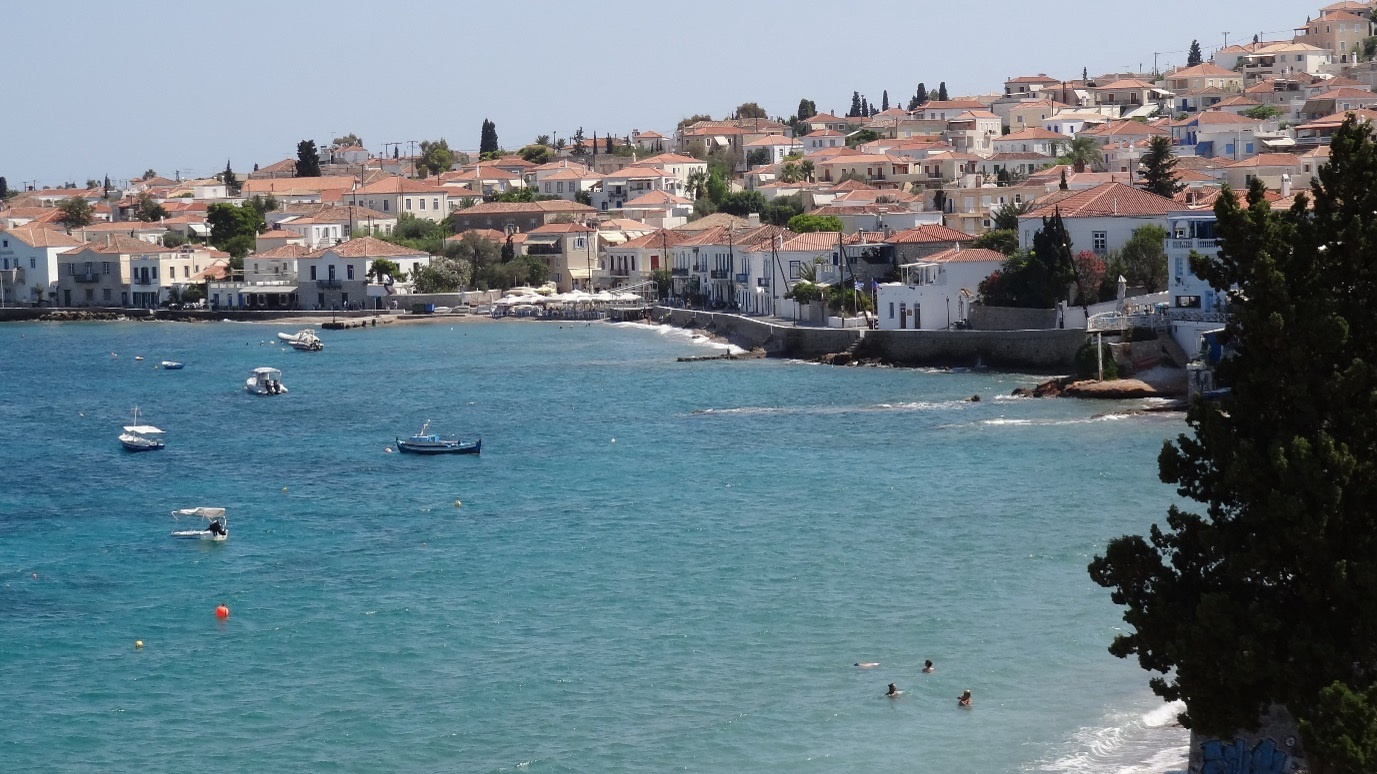
The FEBS Advanced Course 'Lost in Integration Vol. 2 – Probing biomolecules with AI and experiments' will take place from 10– 16 May 2026 on the idyllic island of Spetses in Greece. It is aimed at junior researchers interested in integrative structural biology.
Integrative structural biology is an interdisciplinary field that has seen explosive growth due to technological revolution in biological structure analysis. This field incorporates a wide range of techniques and advanced computational and machine learning approaches. When integrated, these techniques provide insights beyond static molecular structures, revealing dynamic interactions and behaviours that are crucial for understanding biology and biomedical research. Simply put, traditional structural biology has provided high-resolution images of biomolecules but is limited to static representations; integrative structural biology allows researchers to observe molecular movement and interactions in real-time within their biological environments. It also brings into light entire new classes of biomolecules—in particular, those that are dynamic and difficult to study as well as complexes of ever-increasing sizes. Thus, integrative structural biology not only expands the range of methods used to study molecular structure and function, but also substantially expands the scope of problems that can be addressed.
At this course, students will learn to understand, use, and interpret data from a multitude of different techniques including cryo-electron microscopy, nuclear magnetic resonance spectroscopy, X-ray crystallography, cryo-electron tomography, small-angle X-ray scattering, mass spectrometry, and single-molecule methods such as optical tweezers and Förster resonance energy transfer. Further, students will learn how to integrate data using advanced computational and machine learning techniques.
The course will include plenary lectures by esteemed scientists:
- Alexandre Bonvin (Utrecht University)
- Ann Terry (MAXIV, Lund University)
- Arwen Pearson (University of Hamburg)
- Birthe B. Kragelund (University of Copenhagen)
- Björn Forsberg (Linköping University)
- Frauke Gräter (Heidelberg University)
- Gregers Rom Andersen (Aarhus University)
- Jay Groves (University of California, Berkeley)
- Lindsay Baker (University of Oxford)
- Martin Pacesa (Swiss Federal Institute of Technology in Lausanne)
- Martin Weik (Institutde Biologie Structurale)
- Mikael Akke (Lund University)
- Nikos Hatzakis (University of Copenhagen)
- Pétur O Heidarsson (University of Copenhagen)
- Rasmus Kock Flygaard (Aarhus University)
There will also be poster sessions, panel discussions, journal club, group discussions, and a mentoring session led by Professor Emeritus Jane Clarke (University of Cambridge). These sessions will allow participants to receive practical feedback on their research projects, both from their peers and the participating senior scientists. In addition to the scientific activities, social dinners and an excursion around the island will also be organized.
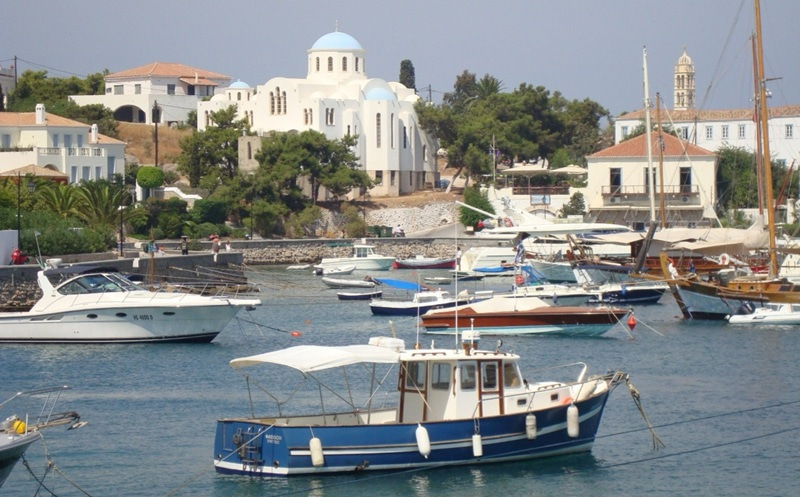
The small, idyllic island of Spetses is a part of Saronic Islands archipelago and easy to reach from Athens by ferry. Spetses has numerous restaurant within walking distance at a very affordable prices.
Places are limited to 44 students and the cost of the course will be 500 EUR. To help facilitate participation, there are eight FEBS Youth Travel Fund Grants available to help cover registration fees and travel expenses.
Registration
Please visit the course website for registration details. The registration deadline will be 31 January 2026.
The course is co-organized by Prof. Gregers Rom Andersen (Aarhus University), Prof. Birthe B. Kragelund (University of Copenhagen), Prof. Kresten Lindorff-Larsen (University of Copenhagen) and Assistant Professor Rasmus Kock Flygaard (Aarhus University) through a collaboration between the Integrative Structural Biology cluster at the University of Copenhagen (ISBUC) and the Aarhus University Structural Biology and Biophysics Initiative (AUSBI).
Please share this post with your contacts.
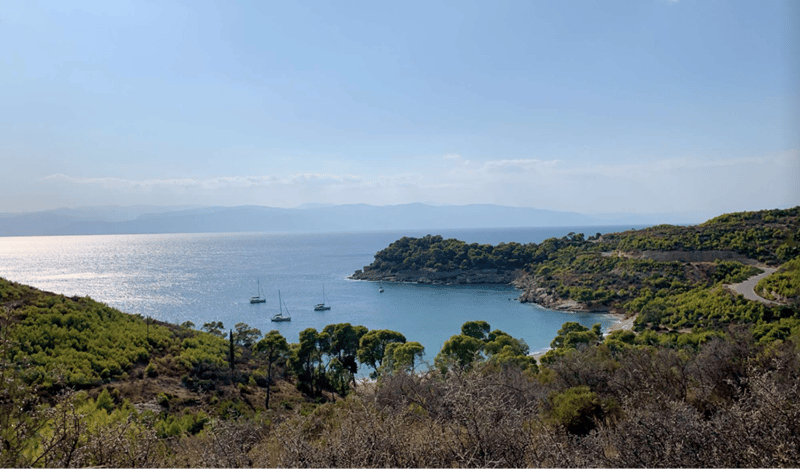
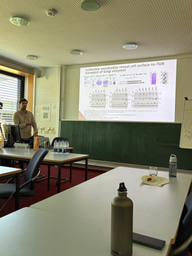
Top photo provided by the organizers of the FEBS Advanced Course 'Lost in Integration Vol. 2 – Probing biomolecules with AI and experiments'.