Learning ion channels above the clouds
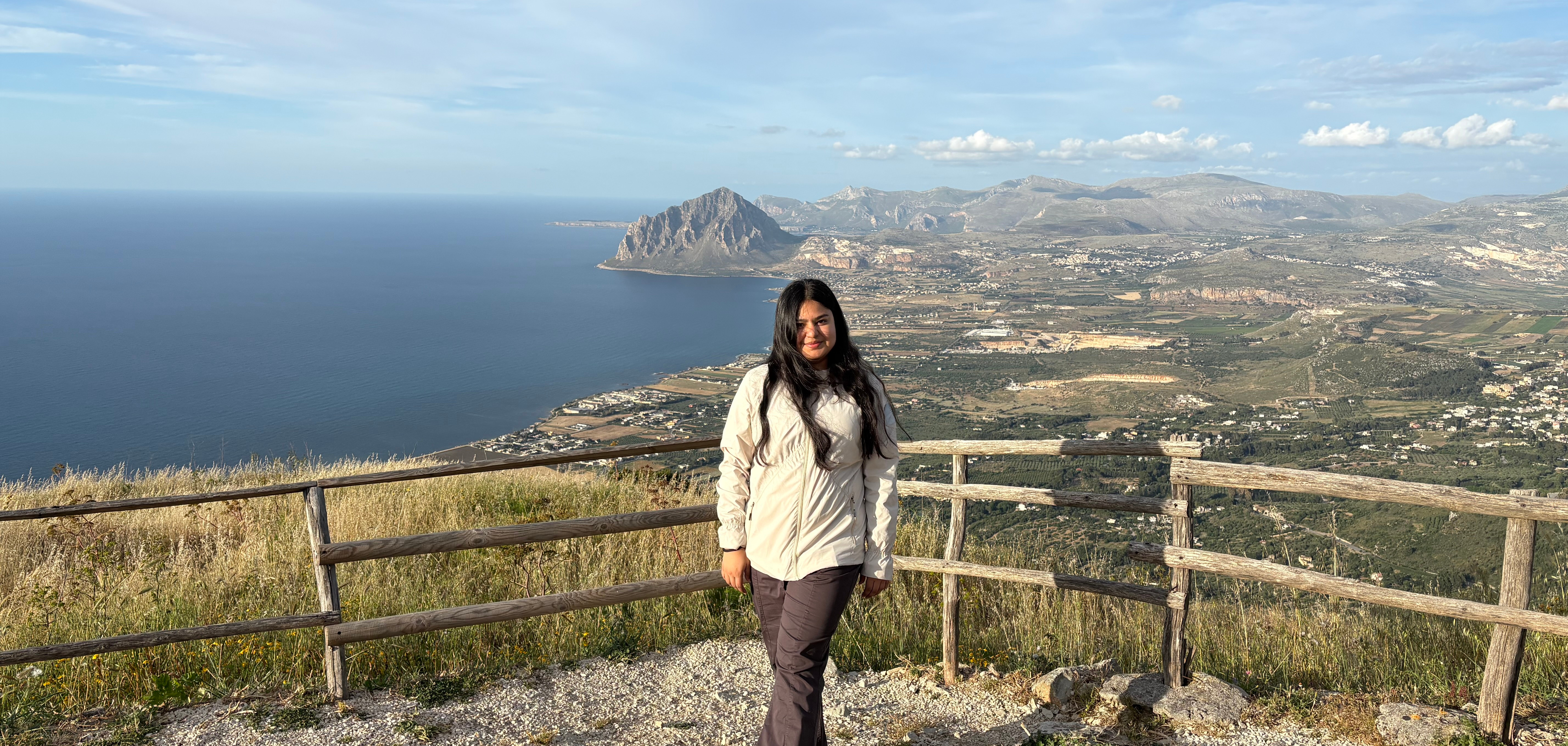
As a first-year PhD student in the Interdisciplinary Biological Sciences (IBiS) Graduate Program at Northwestern University (USA), I had only recently joined the laboratories of Prof. Juan Du and Prof. Wei Lü to begin my journey into structural biology and ion channel research. My project focuses on understanding the structural basis of pharmacological modulation of the TRPM4 ion channel using cryo-electron microscopy (cryo-EM). Although I had spent months reading landmark papers on ion channels and membrane proteins, I am still very new to the field. Attending the Joint FEBS | EMBO Lecture Course 'Ion channels and transporters: From atoms to cellular context', held from 13-19 May 2026 in Erice, Italy, therefore felt like stepping directly into the scientific community I hoped to become a part of.
What I did not anticipate was that the course would leave as much of an impression because of the people and the place, as it did because of the science.
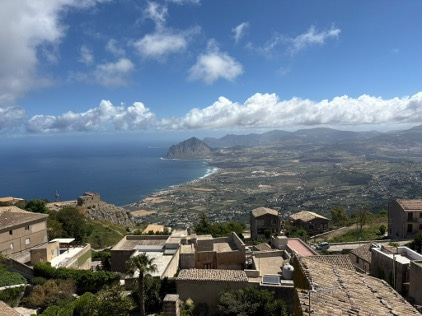
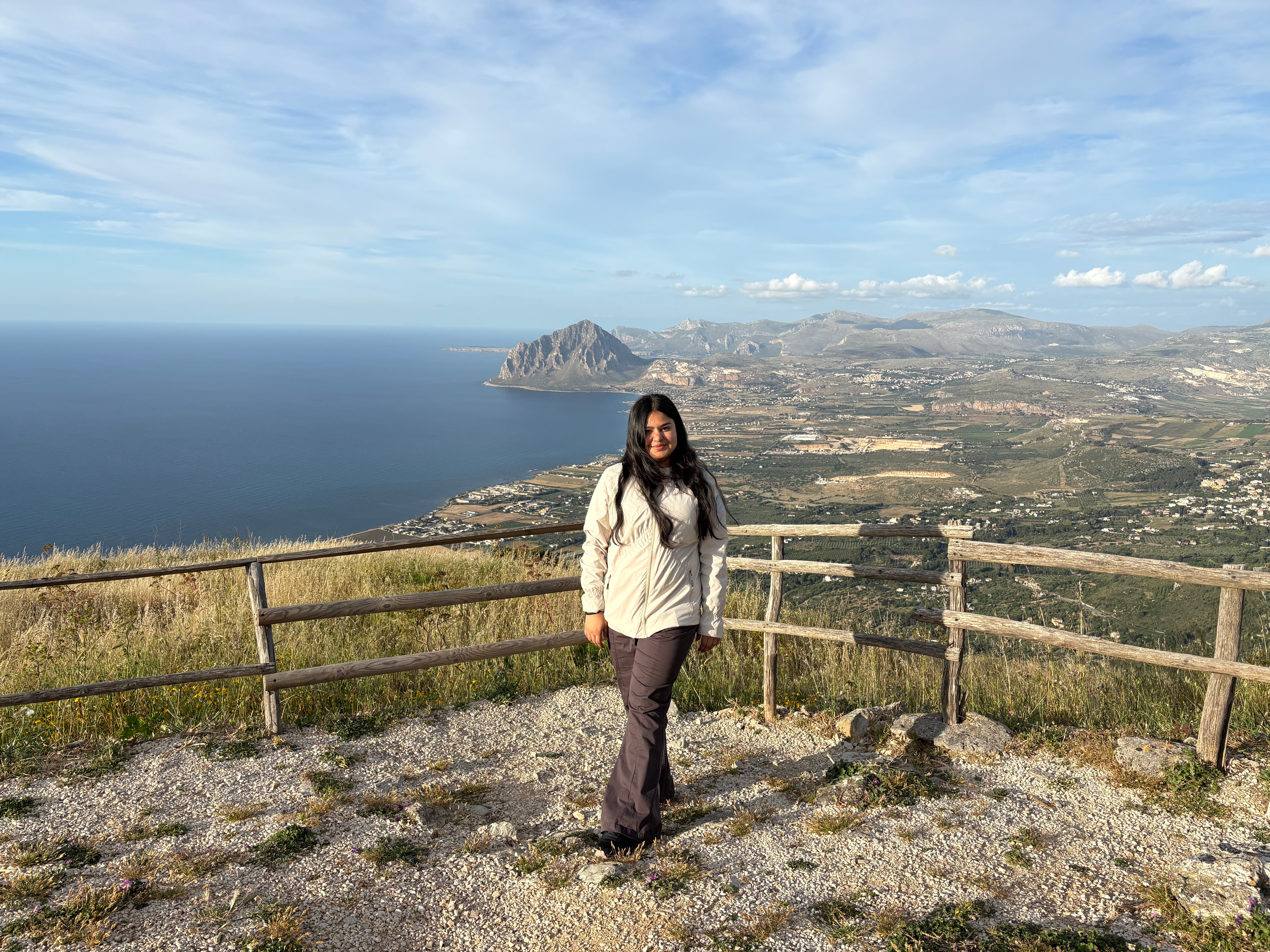
Perched high on a mountaintop overlooking the Mediterranean Sea, Erice is unlike any conference location I have ever experienced. This medieval Sicilian town, with its centuries-old stone streets, castles, churches, and breathtaking views, seemed almost suspended between the clouds and the sea. Every morning began with a walk through narrow cobbled lanes before entering lecture halls filled with discussions on cutting-edge structural biology, electrophysiology, computational modelling, and membrane protein dynamics. It was a remarkable confluence of history, science, and natural beauty.
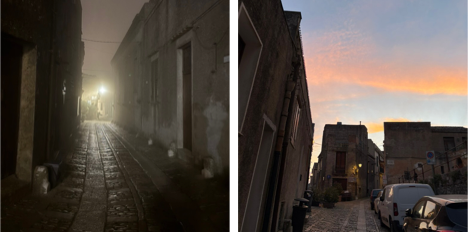
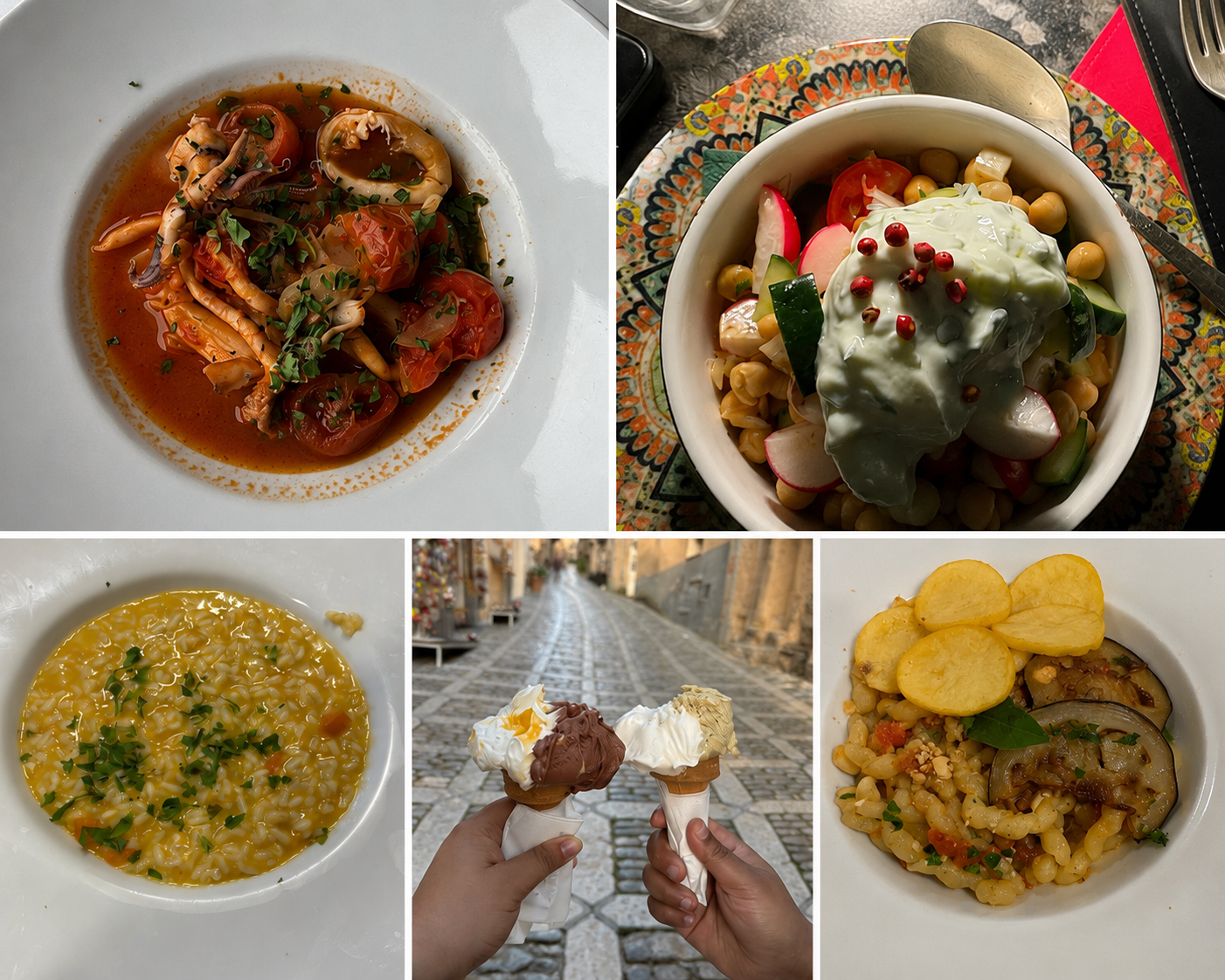
As this was also my first visit to Europe, let alone Italy, every part of the experience felt memorable: from sharing authentic Sicilian meals with fellow participants to ending long scientific discussions over gelato while watching the sunset over the coastline.
The course, masterfully organized by Prof. Anna Moroni, Prof. Alessio Accardi, and Prof. Stephan Pless, together with Dr. Roberta Castelli and the organizing team, created an environment that was both intellectually stimulating and incredibly welcoming. Unlike many large conferences where interactions with invited speakers can be brief, this course encouraged genuine conversations. Because everyone stayed together, shared meals, attended poster sessions, and participated in social events, there was never a clear boundary between students and principal investigators. Some of the most meaningful scientific discussions happened over coffee breaks, during dinner, or while walking back through the streets of Erice after evening poster sessions.
The scientific programme was exceptionally broad while remaining deeply connected through the common theme of ion channels and transporters. Coming from a structural biology background that was still developing, I appreciated how the course moved seamlessly between molecular mechanisms and physiological function.
Lectures by Prof. Jean-Ju Chung on sperm ion channels and reproductive biology, Prof. Medha Pathak on Piezo1 mechanotransduction, Prof. Paolo Tammaro on TMEM16A channels, and Prof. Teresa Giraldez on nanoscale ion channel coupling highlighted the remarkable diversity of biological questions that ion channels help answer. Meanwhile, the cryo-EM sessions led by Prof. Juan Du and Prof. Wei Lü provided invaluable perspectives on membrane protein biochemistry and structural determination: topics directly relevant to my own research. These talks reinforced that obtaining a beautiful structure begins long before data collection, with careful protein preparation, thoughtful experimental design, and rigorous biochemistry.
Equally inspiring were presentations on emerging technologies that are reshaping the field. Dr. Lucie Delemotte demonstrated how machine learning-powered molecular dynamics simulations are transforming our understanding of voltage-gated ion channels. Prof. Stephan Pless showcased innovative approaches for engineering and chemically manipulating ion channels. Prof. Simon Scheuring introduced the power of high-speed atomic force microscopy for visualizing membrane protein dynamics in real time, while Anna Moroni's lecture illustrated how ion channels can even be engineered for applications in optogenetics and neuroscience. Together, these lectures painted a picture of a field that is rapidly evolving through the integration of structural biology, computational methods, engineering, and physiology.
One of the highlights of the course for me was presenting my own work. I had the opportunity to present both a poster and a two-minute Data Blitz on my research investigating species-dependent pharmacology of the TRPM4 ion channel. Standing before an audience of researchers whose publications I had been studying throughout my first year of graduate school was initially intimidating. However, the atmosphere quickly transformed that nervousness into excitement.
The questions, suggestions, and discussions with fellow participants and faculties that followed my presentations were thoughtful, encouraging, and incredibly valuable. For many graduate students, the leaders of a field first exist as names on journal articles or authors of textbooks. In Erice, those names became approachable scientists eager to discuss ideas, offer advice, and share their own experiences. Those conversations reminded me that science advances not only through experiments but also through openness, curiosity, and collaboration.
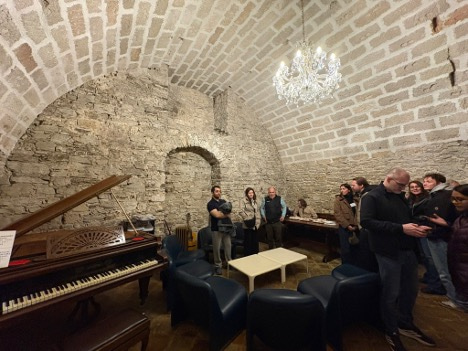
Beyond the lecture halls, the course fostered friendships that crossed continents, career stages, and research disciplines. Participants came from laboratories across Europe, North America, Asia, and beyond, bringing together diverse scientific backgrounds and perspectives. Whether we were discussing our projects during poster sessions, exchanging career advice over lunch, or simply exploring the town together after the day's programme, it became clear that the relationships formed during the week would extend well beyond the course itself.
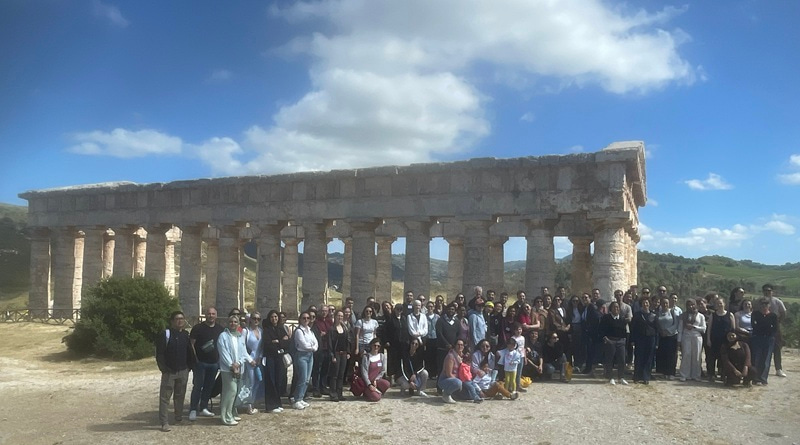
One particularly memorable afternoon was our excursion to Segesta on 16 May. Visiting the remarkably preserved ancient Greek temple and theatre together offered a refreshing pause from the intensive scientific programme. Walking through one of Sicily's most important archaeological sites while continuing conversations that had begun during lectures reminded me that some of the strongest scientific connections are built outside formal conference rooms. The excursion beautifully reflected the spirit of the course: learning, discovery, and community extending beyond the classroom.
Looking back, I realize that I returned home with much more than pages of lecture notes or new experimental ideas. I came back with a broader appreciation of how interdisciplinary modern ion channel research has become, a deeper understanding of where my own work fits within the field, and renewed motivation for the years of research ahead. Most importantly, I left with new friendships, new mentors, and new scientific connections that I hope will remain part of my career for many years to come.
For someone just beginning a journey in structural biology and ion channel research, there could hardly have been a better introduction to the field. The Joint FEBS | EMBO Lecture Course demonstrated not only the extraordinary science being conducted across the world, but also the collaborative, supportive, and international community that makes such discoveries possible.
I am deeply grateful to FEBS, EMBO, the organizers, lecturers, sponsors, and every participant who made this unforgettable week in Erice such an inspiring beginning to my career in ion channel biology.
Photos by Tisha Dash.