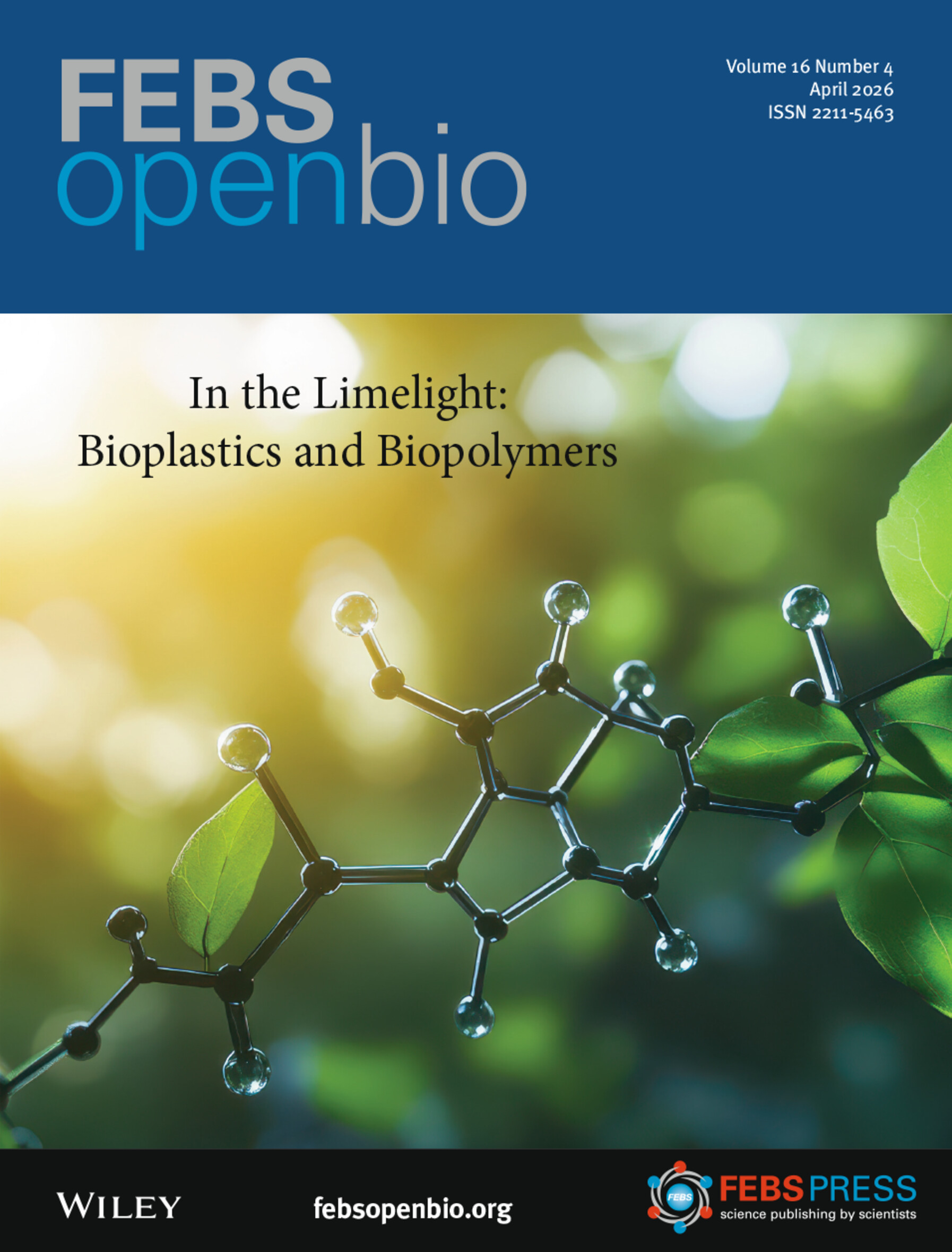
In the Limelight: Bioplastics and Biopoylmers

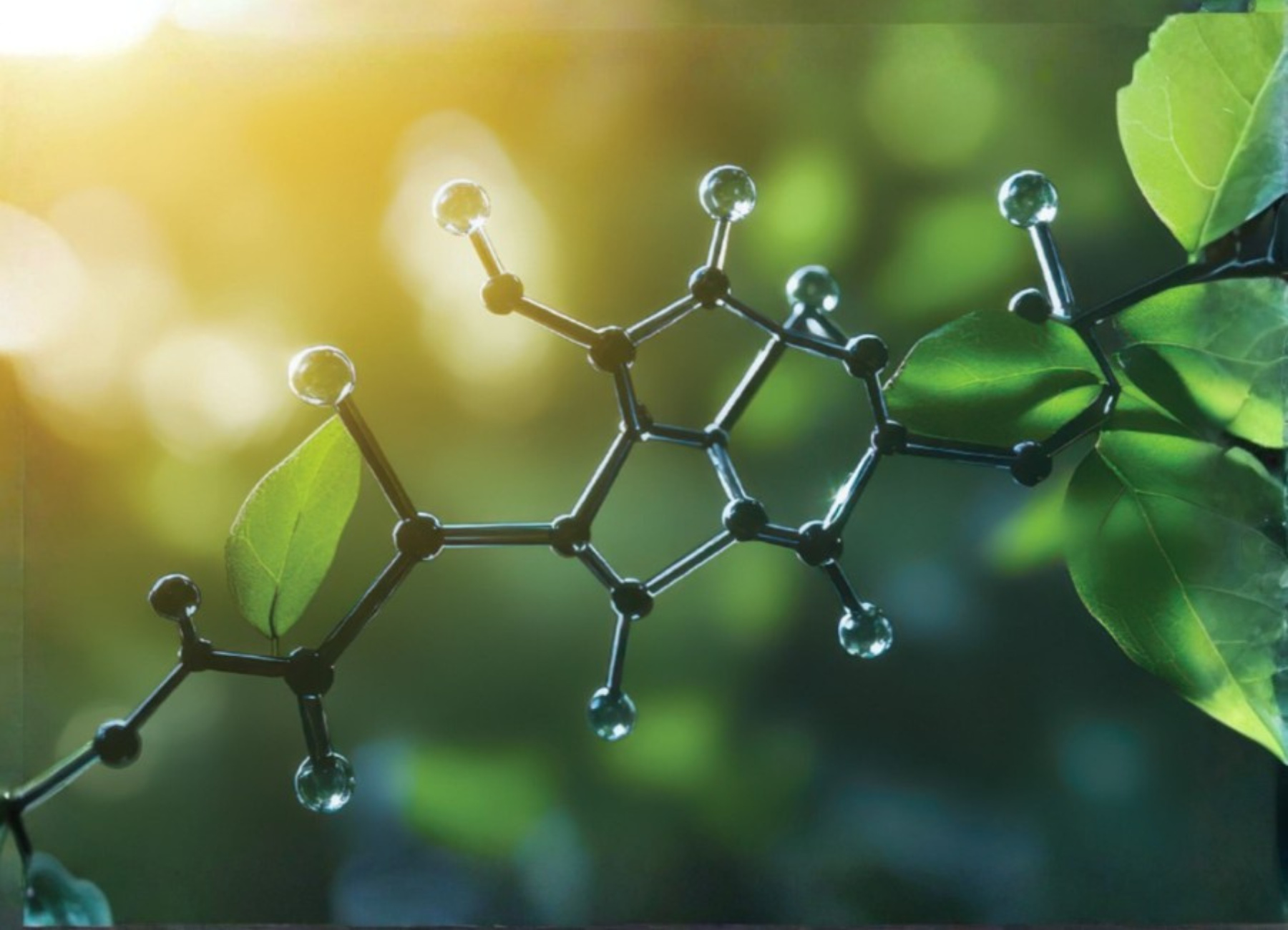
The invention of plastic has revolutionised the way we live and brought convenience to life like no other. But at what cost?
More than 400 million tonnes of plastic are produced each year, and while often praised for their versatility and affordability, the resistance of plastics to degradation or disintegration has left us with serious environmental challenges: microplastic pollution in oceans, contamination of ecosystems, pressure on waste management systems, and even potential toxic effects on human health. The demand for sustainable materials is now more urgent than ever.
Bioplastics – plastics derived wholly or partly from organic matter, some of which can be designed to biodegrade naturally – offer a promising path forward, one that reduces our dependence on fossil fuels and provides the convenience we rely on at a more environmentally-friendly price.
Owing to this significance, FEBS Open Bio is proud to dedicate its April ‘In the Limelight’ special issue to “Bioplastics and Biopolymers”.
The issue opens with an introductory editorial by guest editors Raffaele Porta and Valeria Giosafatto (University of Naples Federico II, Italy) who provide a brief summary of the progress made in the search for sustainable alternatives.
Following this are five thematic articles that each focus on different aspects of bioplastics and biopolymers research:
- Novak et al. discuss the sustainability of bio-based polymers, including their unique properties, environmental impact, and the role of composition and anaerobic digestion as valuable end-of-life options.
- Molla et al. review the recent breakthroughs in enzymatic degradation of oil-derived and bio-based polyesters and the role of biocatalysis in redefining plastic waste management.
- In their review, Pustak and Maršavelski examine how physical properties of polymers, (including structure, crystallinity and thermal state) influence enzymatic degradability, and highlight strategies for engineering self-degrading polymers.
- Mariniello et al. provide a comprehensive overview of recent developments in bioplastics preparation, highlighting the distinct properties of each material according to its polymer origin.
- Lastly, Fusco and colleagues highlight the recent advances in microbial and enzymatic routes for producing polyhydroxyalkanoate-based bioplastics and future perspectives on sustainable biopolymer production.
We welcome you to read the full issue here.
To accompany this special issue, FEBS Open Bio will be holding a free webinar in the coming months, hosted by guest editors Raffaele Porta and Valeria Giosafatto. Follow FEBS Open Bio on LinkedIn to be notified of registration details and ensure you don’t miss this exciting event!