How the Right Labmate Preserves Our Sanity
When writing the methodology section of a manuscript, we meticulously list everything: solutions, specific antibodies, inhibitors... Yet, we always leave out the most critical element determining the success of a PhD journey: the human reagent sitting at the bench right next to ours. Finding the right labmate is not just a matter of social luck; it is a clinical prerequisite for surviving graduate school without losing your mind.
A true labmate is someone who understands your silent language. They know precisely what that specific, deep sigh directed at the incubator means. When you are trapped in an endless seminar, they are the ones who dive into the cell culture hood to rescue your cells, or gently take the micropipette from your trembling hand after a mere 2 hours of sleep, saying: "Go grab a coffee, I'll finish the rest of the steps." They are the eternal co-pilots of this unending chaos.
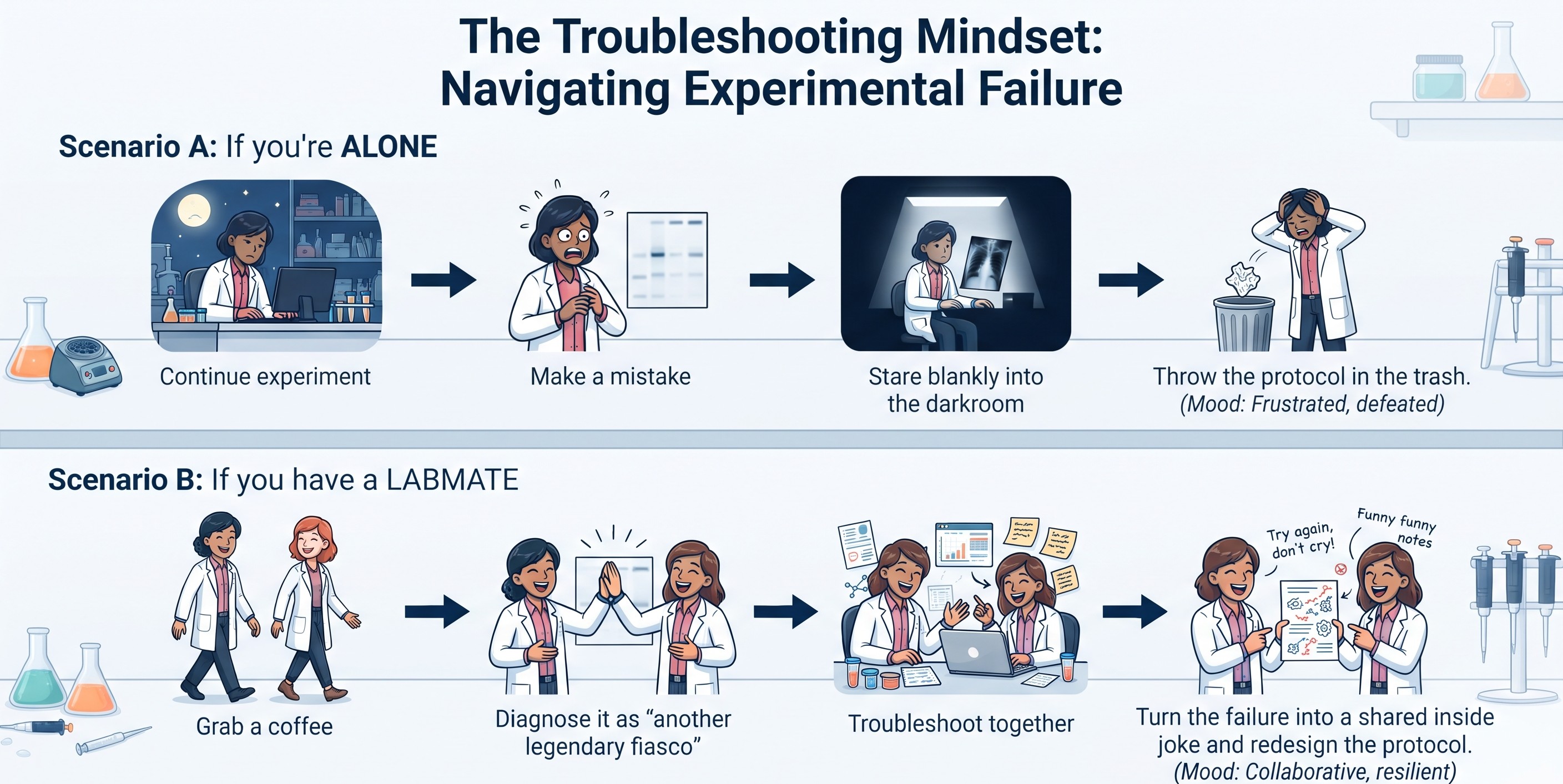
The bonds forged over contaminated media and ironic smiles in front of a botched Western blot are far stronger than any molecular bonds. When an experiment tanks, the outside world gives you generic advice like, "Don't worry, you'll do better next time." But your labmate? They look at the blank membrane, look at you, and say: "Well, we’ve created another masterpiece for the history books. Let's go get food and redesign the protocol from scratch." They turn professional grief into a collaborative strategy.
In a hyper-competitive academic world, having a team completely devoid of toxic rivalry is an absolute luxury. When you share a bench with people who genuinely celebrate your Q1 acceptance, share your excitement for a brand-new project, or listen without judgment (and sometimes roast you just enough to bring you back to reality!) to your wildest signaling pathway hypotheses, the lab ceases to be just a workplace and transforms into a sanctuary...
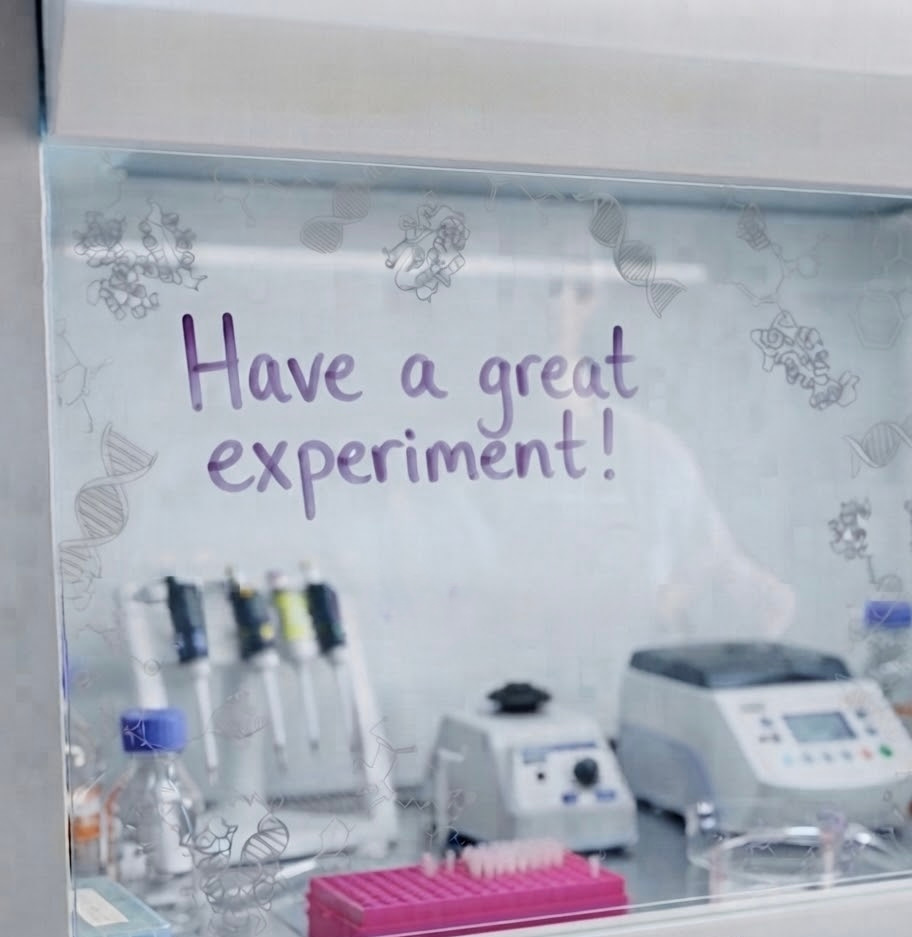
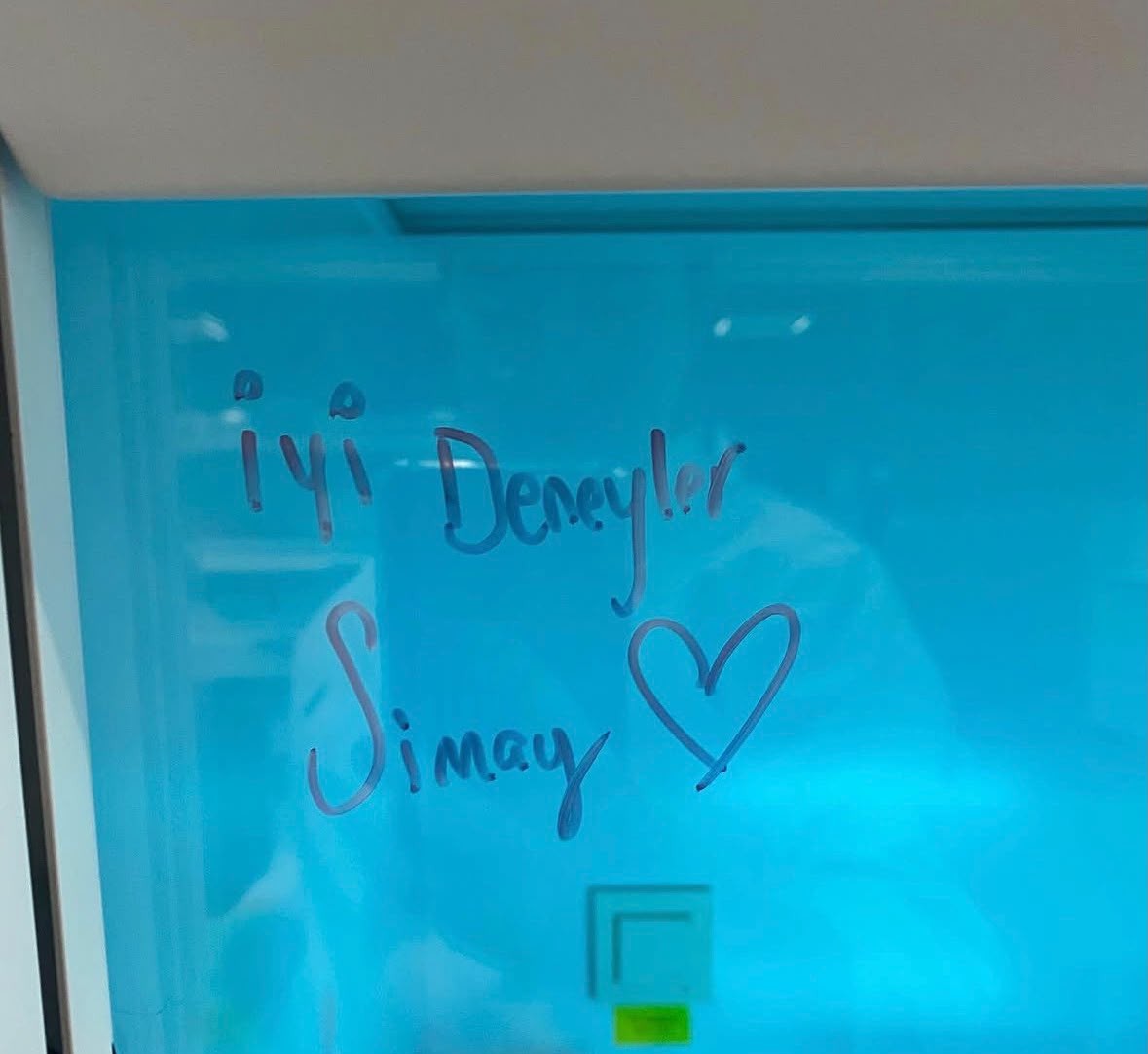
In my own journey, this hits home in moments like a lonely weekend shift when my labmate, MSc Efza Kutlu, leaves a simple handwritten note on the cell culture hood glass.
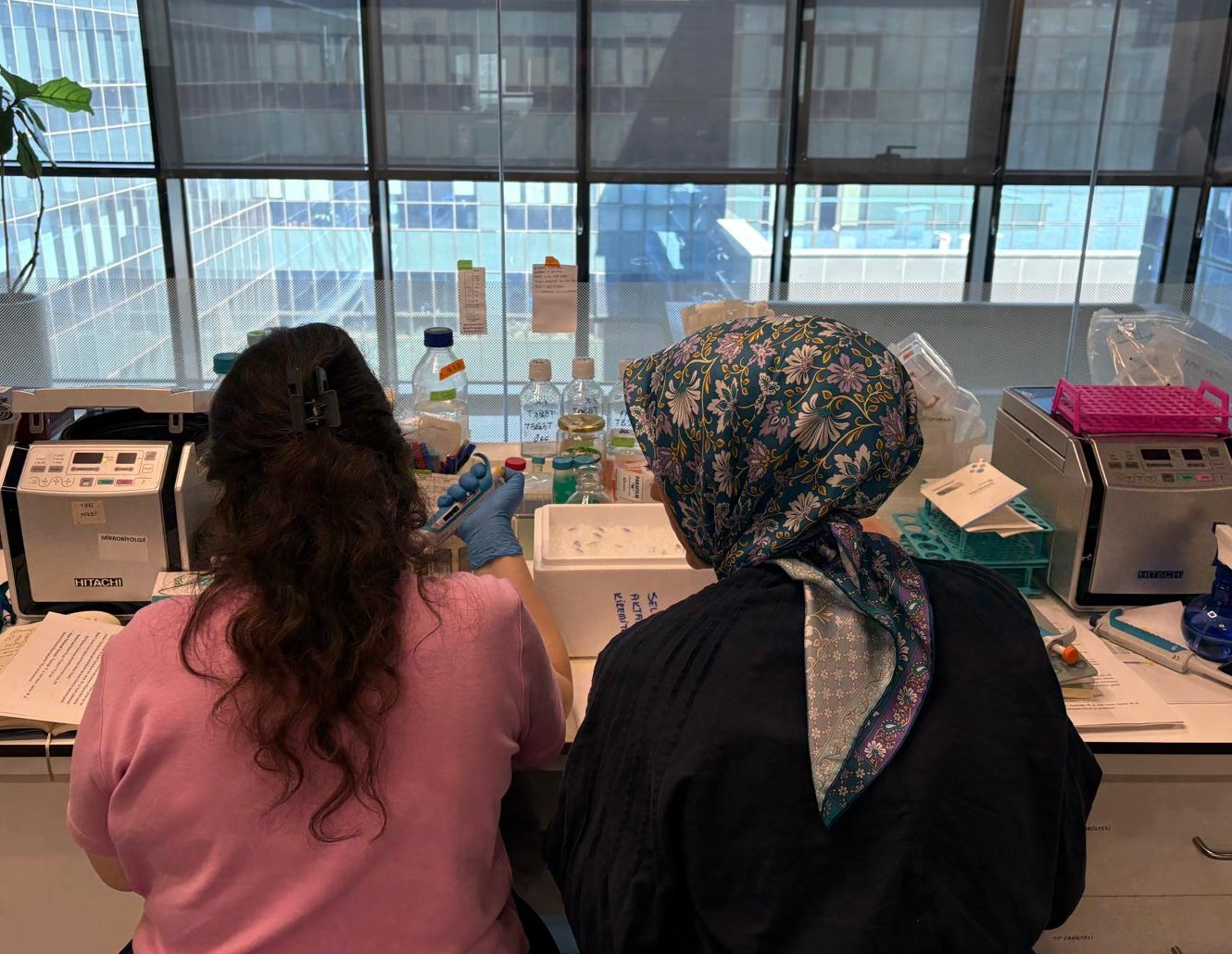
Or when my co-pilot, PhD student Imren Hasoglu, stays hours past the completion of her own experiments just to help me troubleshoot and keep my spirits up through another grueling protocol.
There is a very specific, almost magical kind of joy when that first joint paper is finally published. You open the final formatted PDF, and there they are—right beneath the title, proudly standing side by side, separated by nothing more than a tiny comma. Doesn't that single comma represent so much more than months of shared anxiety and endless troubleshooting sessions? Seeing your names side by side in scientific literature is, in reality, a permanent monument to a friendship forged on the front lines of the wet lab.
Papers will get cited, grants and funding will eventually dry out, and protocols will be optimized and standardized over time. But the human ecosystem you build around your bench is the only thing that truly defines your scientific journey. If you have found a labmate who can turn a sinking experiment into a shared laugh and a fresh strategy, take good care of them. In the grand formula of academia, they are the most valuable reagent you will ever find.
So, if you share your bench with someone who decodes your mid-experiment existential crises and helps you laugh through the chaos, take a moment to appreciate them today. Treat them to that well-deserved coffee, and remind them that they hold a lifelong co-authorship on your sanity—because in the grand formula of research, they remain the most extraordinary reagent you will ever find.