Designing A World That Refuses to Seed Cancer: A 2050 Perspective
By 2050, cancer prevention is no longer just confined to clinical encounters or individual choices. Rather, cancer prevention is embedded into the physical, social, and emotional architecture of daily life. Over the past quarter century, society has begun to recognize what molecular oncology has long recognized: that carcinogenesis begins not only in DNA, but in the environments and stresses that sculpt the molecular landscapes of our cells. Building on this understanding, the most transformative interventions by 2050 have been focused on redesigning the world around us.
Cities, once passive backdrops to human life, have now become deliberately designed cancer-prevention ecosystems. Advances in environmental genomics revealed how chronic exposure to particulates, microplastics and industrial byproducts accelerate pre-malignant evolution, promoting a global reimagining of urban environments. As a result of this paradigm shift, today’s forests are not merely aesthetic, but have been engineered to absorb and metabolize airborne carcinogens before they reach human lungs. Mycelium-infused pavements neutralize benzene derivatives in stormwater runoff. But, building a cleaner world also required seeing it more clearly.
Environmental monitoring has become radically transparent for all. Every person has access to real-time dashboards showing carcinogenic exposures in their immediate surroundings, powered by nanosensors and open-access municipal data networks. This seamless integration of technology and public health means that if benzene levels rise due to industrial activity, traffic patterns are automatically rerouted. If radon signatures increase in a neighborhood, building ventilation systems adjust without the need for human intervention. Cancer prevention has become designed into infrastructure, automated, and universal.
At the same time, this broader vision has also reframed how society understands biological risk. Longitudinal studies revealed that repeated activation of inflammatory and endocrine pathways reshapes tissue microenvironments to accelerate oncogenesis. As a result, stress and trauma have been classified as modifiable carcinogenic exposures, similar to how tobacco and radiation once were classified.
Health systems responded to these changes accordingly. Wearable technology, such as watches, is capable of detecting inflammatory cytokine trends, cortisol rhythms, and epigenetic signatures now form a cornerstone of preventive oncology. With these tools, early warning has become proactive action. When these biomarkers reach concerning trajectories, individuals receive evidence-based interventions such as neuroimmune modulation to structured environmental rest periods. Importantly, these tools are complemented by policy-level reforms, such as workplace toxicity monitoring becoming mandatory, universal basic income stabilizing chronic economic stress, and domestic violence prevention re-framed as long-term cancer prevention.
Molecular oncology helped shift public health from reactive to reparative. Together, these twin revolutions of environmental redesigning and recognition of psychosocial stress as a carcinogen merged into what we now call the “holistic exposome framework.” Every person has an exposome passport that integrates chemical, social, psychological, and biological exposures across time. Oncogenesis, once viewed as a stochastic cellular failure, is now understood as the cumulative consequence of lived experiments. The most powerful cancer interventions of 2050 were not only technological innovations, but societal choices. We stopped asking individuals to outsmart cancer on their own. Instead, we build a world that refuses to seed cancer.
About the author
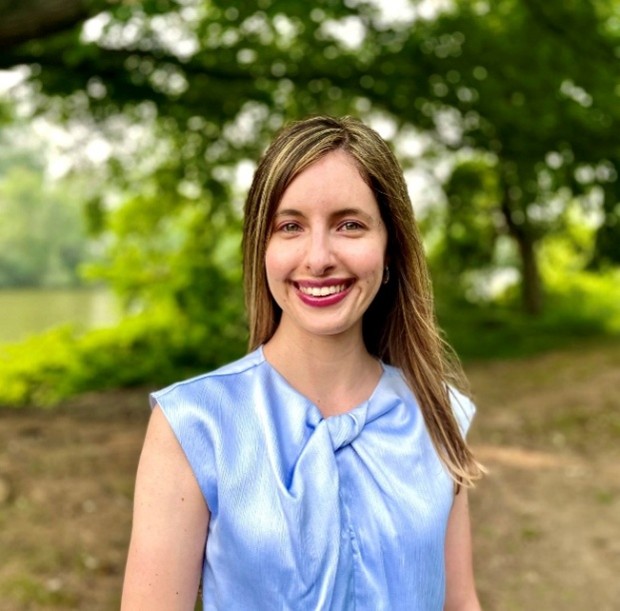
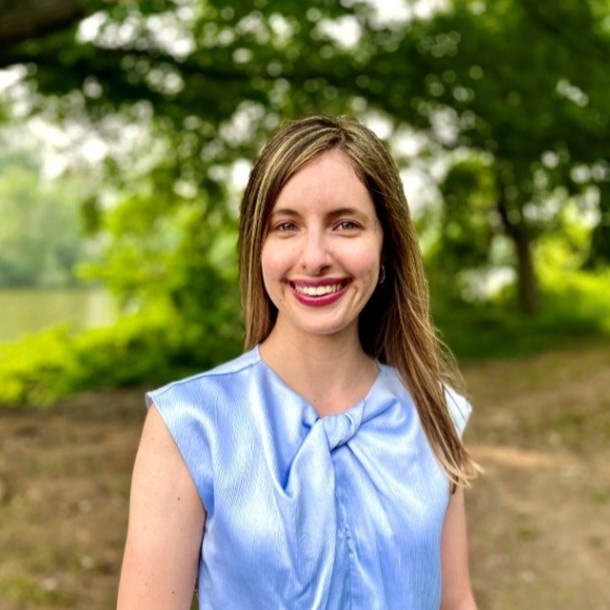
Alyssa Paparella is a PhD Candidate in Cancer and Cell Biology at Baylor College of Medicine and a Howard Hughes Medical Institute Gilliam Fellow. She conducts her research in the Center for Precision Environmental Health, where her work focuses on epigenetic and proteomic mechanisms underlying disease, with an emphasis on histone biology and cellular regulation.
In parallel, she is the founder of DisabledInSTEM, an international initiative dedicated to advancing accessibility and inclusion in science. Through this work, she has developed mentorship programs and contributed to broader conversations on improving training environments and expanding participation in STEM.
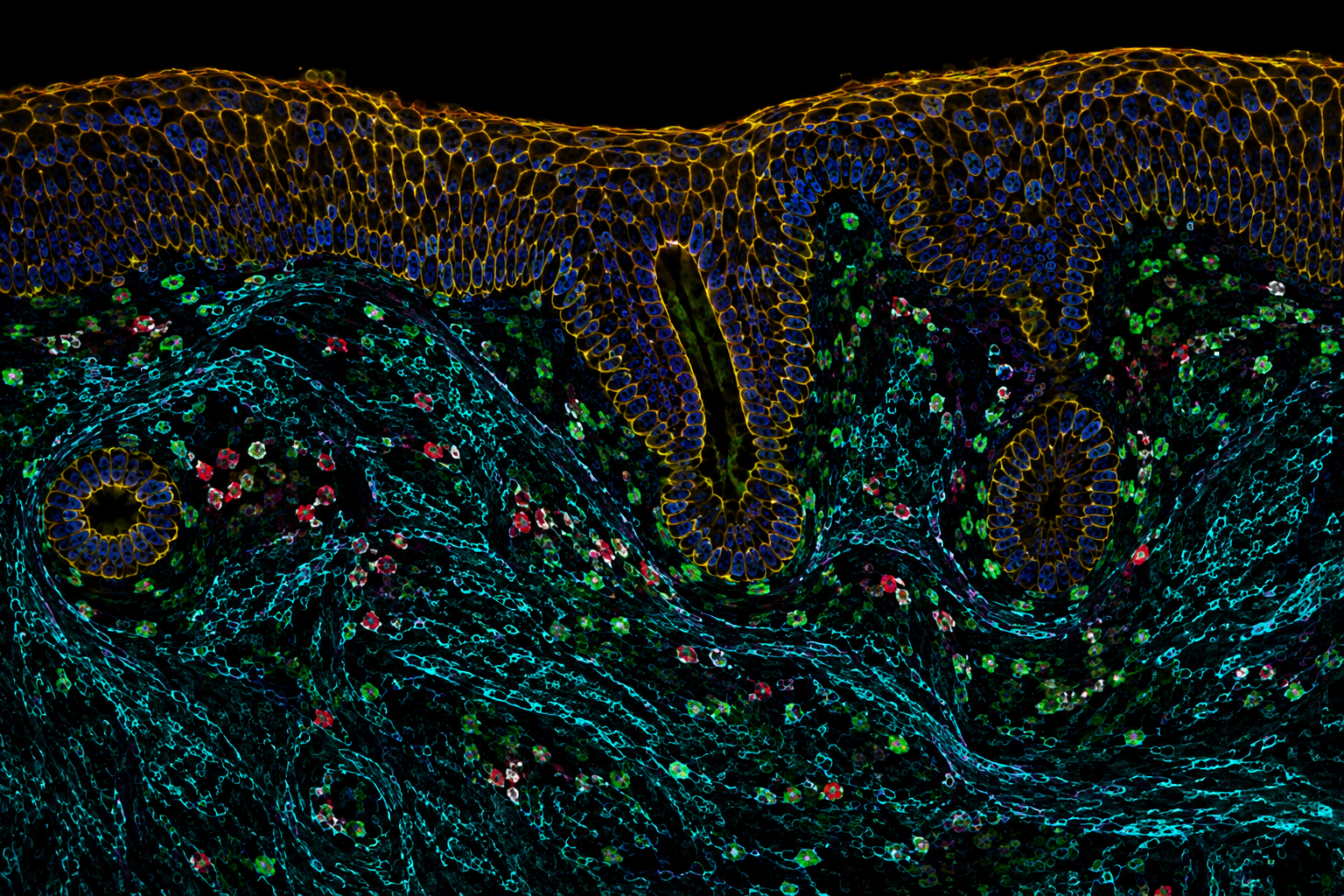
Image note: The header image accompanying this article was generated by the FEBS Communications team using artificial intelligence for illustrative purposes only. It does not depict real experimental data, clinical material or microscopy, and should not be interpreted as a scientific image.