Rethinking the scientific conference: Designing meetings around early-career researchers
For many PhD students and postdocs, attending a massive international congress can be as intimidating as it is exciting. While these large events offer broad overviews of the field, they often present significant challenges for junior researchers trying to build a network. Navigating crowded poster halls makes it difficult to gain visibility, and the hierarchical nature of large-scale meetings can create barriers to having meaningful, unhurried scientific discussions with established principal investigators. Based on our experiences, the members of GRANAMET (Granada Translational Research Network in Metabolism) have been thinking about this and we believe it is an important topic of discussion for researchers at all stages of their career. First of all, what are the main challenges early career researchers face in conferences?
One of the key challenges is the lack of meaningful interactions during poster sessions. These are key elements in conferences, and usually the only chance for early career researchers to show their research. We all have been in the situation of standing next to our poster and people passing by, briefly looking at you, and then continuing their stroll through the poster hall. If you are lucky, there will be someone brave enough asking you to explain your poster. At the same time, you are missing the opportunity of visiting other ECR posters. How to change that? We propose to introduce a Round Table Interactive Poster Session. I personally experienced it during EuroMIT 2017, a mitochondria-focused conference that took place in Koln (Germany). Instead of the traditional, crowded poster hall where ECRs must compete for the attention of passing attendees, this format places junior researchers at round tables alongside established Principal Investigators. The goal is to break down hierarchical barriers, ensuring that everyone’s data is presented, heard, and discussed in a relaxed, constructive setting. Standard poster boards can remain available throughout the conference to facilitate ongoing peer-to-peer discussions, but this addition can overcome many difficulties for ECRs.
Another challenge in many conferences is their size. Yes, huge conferences offer some advantages, but having thousands of people at the same time, with multiple halls and rooms, simultaneous sessions and a huge program can intimidate ECRs. To foster a community-focused environment, we propose to cap attendance to a small number of participants. This smaller scale is intended to shift the dynamic from passive listening to active collaboration.
A big problem for ECRs is the lack of visible space in the program for oral talks for them. Most of these slots in traditional conferences are reserved for established investigators. If you have been to several conferences of your topic, you are probably familiar with the same faces all over again explaining their research. They deserve to be there due to their importance in the field, but that leaves ECRs relegated to the poster sessions. How to change that? Easy! Leave some protected slots for ECRs. These are massive opportunities for their development as scientists, offering them a scenario where they can interact face-to-face with leaders in the field present in the audience. We are strongly convinced that scientific meetings are most valuable when junior scientists have a platform to share their findings.
Funding remains one of the largest hurdles for ECRs wishing to attend international meetings. We should all be aware of the inequalities that this aspect generates, providing access to top conferences only to people coming from privileged labs, usually from the same countries (USA, Canada, and Europe). There are thousands of researchers around the world whose voice is silenced because of this. That demands securing targeted sponsorships, and organizing the event to keep registration fees exceptionally low
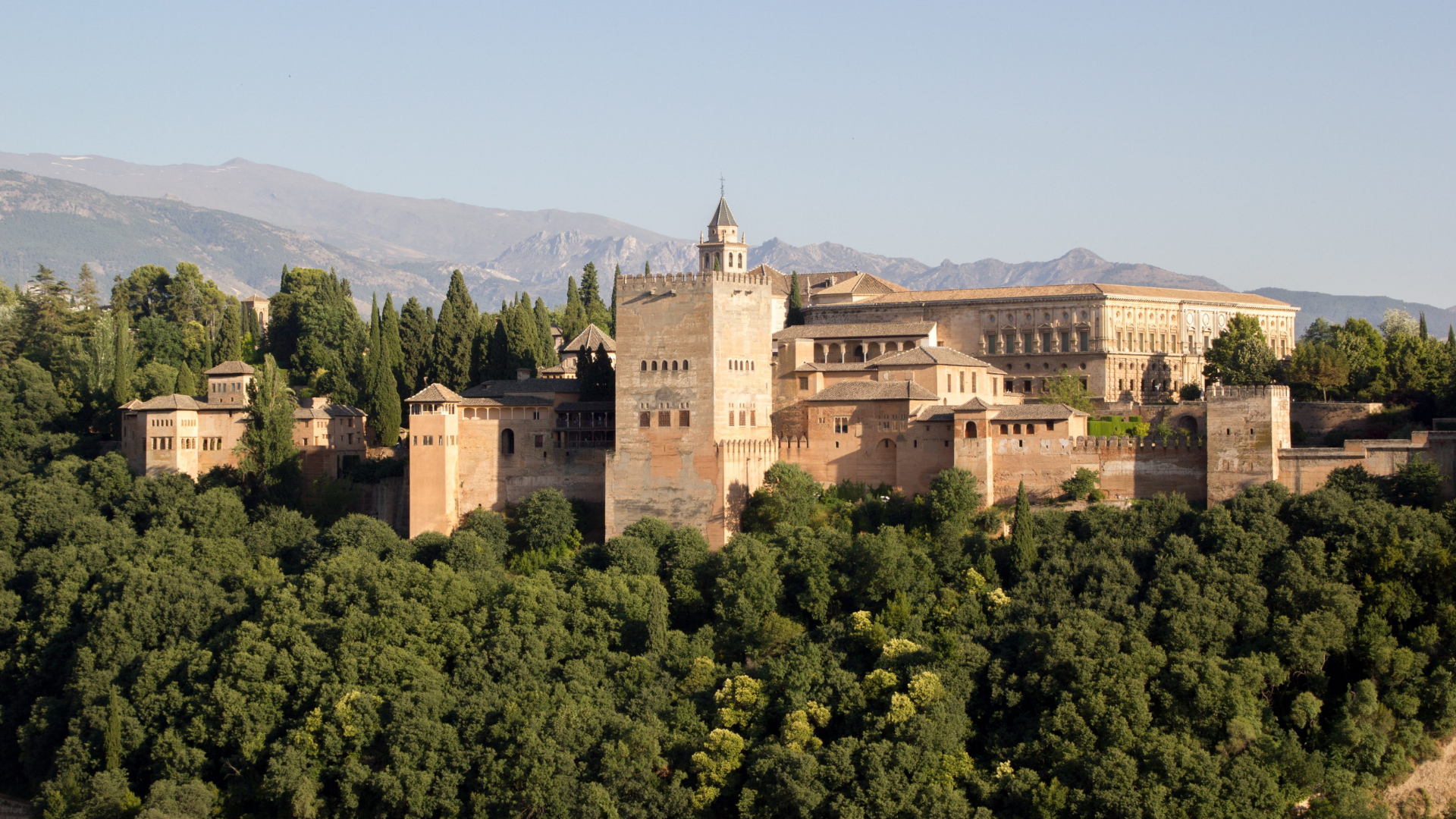
To address all these challenges, we are experimenting with a different approach for GRANAMET 2027, a conference focused on translational metabolism taking place in Granada, Spain. The meeting has been intentionally designed from the ground up to dismantle the overwhelming scale of typical conferences and place early-career researchers (ECRs) at the center of the scientific exchange. At GRANAMET 2027, a significant portion of the scientific programme is reserved directly for ECRs. Invited talks include emerging junior PIs in the field of metabolism. Additionally, eight submitted abstracts will be selected for oral short talks, providing ECRs with the opportunity to present their research on the same stage as leading figures in the field. Registration fees are kept at a low level, and we are organizing a competitive travel grant scheme to allow these ECRs whose voice is usually silenced to attend GRANAMET 2027.
GRANAMET 2027
GRANAMET 2027 will take place in Granada, Spain, from 27 to 29 January 2027. The meeting will put these principles into practice through protected opportunities for ECR talks, interactive scientific exchange, low registration fees and travel grants.
Pre-registration and abstract submission deadline: 30 September 2026.
Full programme and details: https://www.granamet.es/