Creating Academic Environments Where Scientists Can Thrive: Education at HDBMB 2026

 Celebrating 50 Years of HDBMB: Looking Beyond Scientific Discoveries
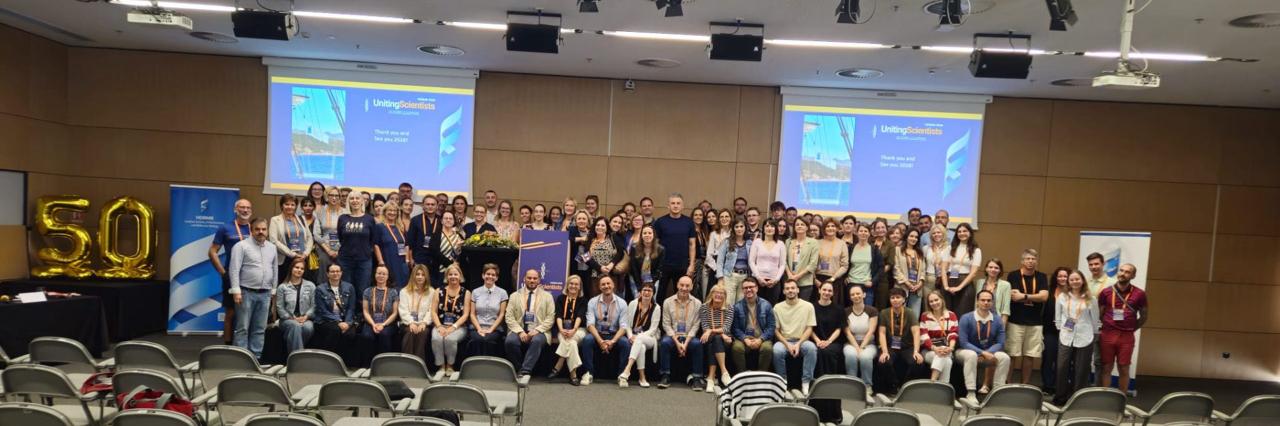
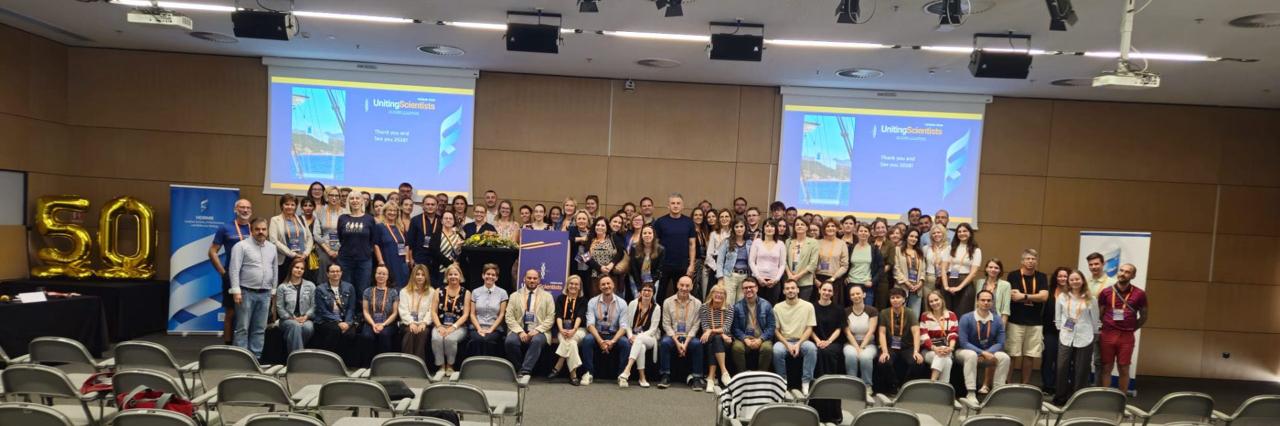
The HDBMB Congress 2026, “Uniting Scientists” held in Dubrovnik, Croatia, from 30 September to 4 October 2026, marked a significant milestone: the 50th anniversary of the Croatian Society of Biochemistry and Molecular Biology (HDBMB) - . Bringing together researchers, educators and students from Croatia and abroad, the Congress offered a rich scientific programme while also providing opportunities to reflect on the people, relationships and academic environments that make scientific progress possible.
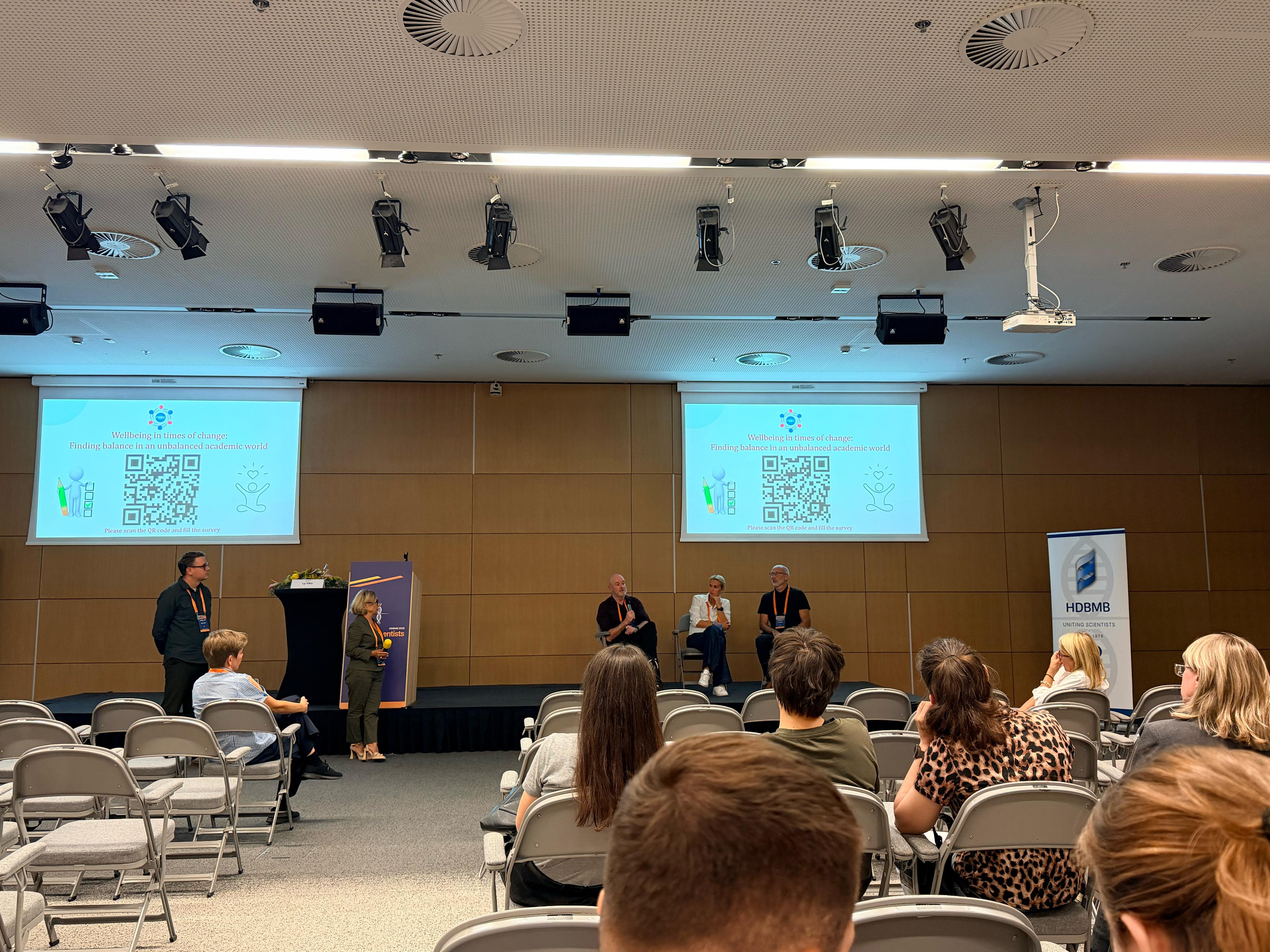
An important part of this broader perspective was the Education Session, organised in collaboration with the FEBS Education and Training Committee. Co-chaired by Ferhan G. Sağın, Chair of the FEBS Education and Training Committee, and Marko Žarak, representing HDBMB, the session brought together three distinguished speakers from Ireland, Norway and Estonia to explore interconnected aspects of contemporary academic life: inclusion and belonging, meaningful mentorship, psychological safety, and the well-being of students and educators.
Rather than focusing exclusively on teaching techniques or educational technologies, the session invited participants to consider a fundamental question: What kind of academic environments do we need to create to enable the next generation of scientists to develop, contribute and thrive?
Pride in Progress: Inclusion and Belonging in Science
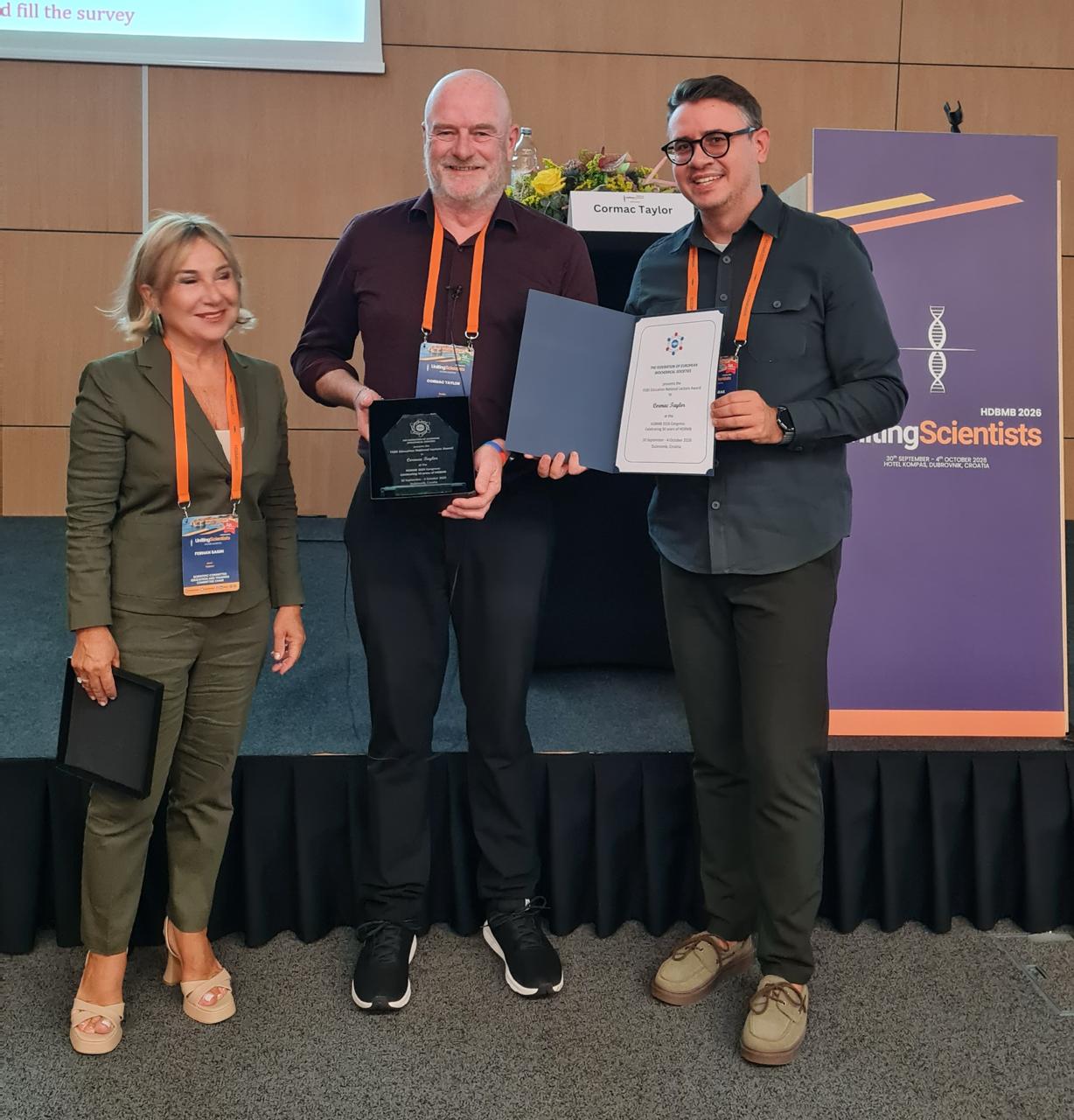
The session opened with Plenary Lecture, delivered as a FEBS Education Lecture by Professor Cormac Taylor (University College Dublin, Ireland), entitled “Pride in Progress: LGBTQIA+ Scientists in STEM.”
Professor Taylor addressed the experiences and contributions of LGBTQIA+ scientists, drawing attention to the importance of visibility, representation and positive role models within scientific communities. His lecture encouraged reflection on how academic environments can influence an individual's sense of belonging and willingness to participate fully and authentically in scientific life.
The themes explored extended beyond individual experiences to the collective responsibility of academic institutions, scientific societies, mentors and colleagues. Building inclusive environments requires more than statements of principle: it involves fostering cultures in which individuals are respected, differences are recognised and everyone has a meaningful opportunity to contribute.
This perspective is particularly relevant to bioscience education, where collaboration, intellectual openness and the exchange of diverse ideas are essential. An inclusive academic culture helps create the conditions in which students and researchers can ask questions, challenge assumptions and develop their professional identities without feeling excluded from the scientific community.
The lecture offered a powerful starting point for the session by emphasizing that belonging and inclusion are not peripheral concerns, but integral elements of a healthy and sustainable scientific culture.
Beyond Supervision: Rethinking Mentorship in Academia
The second contribution came from Professor Knut Teigen (Department of Biomedicine, University of Bergen, Norway), who presented “Beyond Supervision: Mentorship Across Snowsports and Academic Careers.”
Drawing on his experience in both university education and snowsports instructor training, Professor Teigen explored the similarities between mentoring in academic and sporting environments. Although these settings may appear very different, both involve guiding individuals through demanding learning processes, helping them overcome challenges and supporting their progression towards independence.
The lecture highlighted a distinction that is particularly relevant in higher education: supervision and mentorship are closely related, but they are not necessarily the same.
While supervision often focuses on specific tasks, projects, deadlines and expected outcomes, meaningful mentorship also considers the individual behind those activities. Effective mentors recognise that students and early-career scientists differ in their experience, confidence, motivations and aspirations, and that mentoring approaches should evolve as individuals develop.
Trust, attentive listening, constructive feedback, appropriate challenge and individualised support emerged as important elements of this relationship. Sometimes mentorship requires providing clear guidance; at other times, it means stepping back, encouraging independent decisions and helping mentees develop confidence in their own judgement.
The broader message was that the most valuable outcomes of mentorship extend beyond the completion of a research project or academic qualification. Good mentorship contributes to the development of independent thinkers, confident researchers, supportive colleagues and future mentors.
This perspective also provided an important reminder that universities should recognise and support mentorship as an essential aspect of academic development rather than treating it solely as an informal responsibility of individual supervisors.
Safe to Learn, Sustainable to Teach?
The final presentation, “Safe to Learn, Sustainable to Teach?”, was delivered by Ly Villo (Tallinn University of Technology, Estonia), a member of the FEBS Education and Training Committee.
Her lecture addressed psychological safety in higher education and the relationship between supportive learning environments, academic expectations and the sustainability of teaching.
Psychological safety is particularly important in scientific education, where learning frequently involves uncertainty, experimentation, mistakes and the critical examination of established knowledge. Students need to feel able to ask questions, acknowledge what they do not understand, express concerns and explore unfamiliar ideas without fear of humiliation or exclusion.
Creating such environments does not mean abandoning academic standards or avoiding challenging expectations. Rather, it involves combining intellectual rigour with respectful communication, constructive feedback and opportunities for meaningful participation.
However, the second part of the lecture's title — “Sustainable to Teach?” — introduced an equally important dimension.
University educators are increasingly expected to balance research productivity, high-quality teaching, individual student support, mentorship and substantial administrative responsibilities. At the same time, students' needs and expectations are becoming more diverse and complex.
These demands raise important questions about educator workload, available institutional support and the long-term sustainability of academic teaching.
The well-being of students and educators should therefore not be considered independently. Sustainable education requires academic environments that support both those who learn and those who teach. It also requires recognising that responsibility for educational quality and well-being extends beyond individual educators to departments, institutional leadership and the wider academic community.
Connecting the Themes: Building Healthier Academic Cultures
Although the three lectures approached academic education from different perspectives, they shared a common underlying message: the environments in which people learn, teach and conduct research profoundly influence their development and experiences.
Inclusion and belonging influence whether individuals feel accepted and able to participate. Mentorship helps them build confidence, independence and professional identity. Psychological safety encourages curiosity, critical thinking and learning from mistakes. Academic sustainability, meanwhile, determines whether educators and institutions can continue providing meaningful support over the long term.
Together, these perspectives encourage us to move beyond viewing education as simply the transmission of scientific knowledge.
Education is also about relationships, professional development, institutional culture and shared responsibility. The quality of these elements can influence not only individual learning experiences but also career progression, collaboration and the long-term vitality of the scientific community.
An important implication is that academic excellence and supportive environments should not be regarded as competing priorities. Rigorous expectations, constructive feedback, inclusion and psychological safety can reinforce one another when appropriately integrated into academic practice.
The topics addressed during the session are relevant across different countries, disciplines and career stages. Although European universities operate within diverse educational systems, many of the challenges associated with mentorship, academic expectations, inclusion and well-being are shared.
Creating opportunities to exchange perspectives on these issues is therefore a valuable contribution of international educational collaboration.
Why Education Belongs at Scientific Congresses
Scientific congresses traditionally emphasise new discoveries, emerging technologies, methodological advances and research findings. However, the future of science depends not only on what we discover, but also on how we educate and support the people who will make the discoveries of tomorrow.
Dedicated education sessions provide space for researchers and educators to reflect on challenges that may otherwise receive limited attention within scientific programmes. They also encourage interaction between established scientists, university teachers, early-career researchers and students, bringing educational questions into the wider scientific conversation.
The Education Session at HDBMB 2026 demonstrated the value of this approach by connecting three topics that are often discussed separately and presenting them as complementary elements of a healthy academic ecosystem.
Importantly, these discussions are not limited to education specialists. Every scientist who teaches, supervises, mentors, leads a research group or collaborates with younger colleagues contributes to shaping the academic culture experienced by the next generation.
Strengthening Collaboration Between FEBS and HDBMB
For HDBMB, the Education Session represented a meaningful contribution to its 50th-anniversary Congress and an opportunity to strengthen collaboration with the FEBS Education and Training Committee.
The involvement of international speakers and the inclusion of the FEBS Education National Lecture highlighted the important role that FEBS plays in connecting national bioscience communities and promoting educational development across Europe.
We are sincerely grateful to Professor Cormac Taylor, Professor Knut Teigen and Ly Villo for sharing their experience, insights and perspectives. Special thanks go to the FEBS Education and Training Committee for its support and collaboration, and to everyone whose participation contributed to the success of the session.
The ideas explored in Dubrovnik offer valuable starting points for continued dialogue, future joint activities and the exchange of educational practices between FEBS, its Constituent Societies and the broader European bioscience community.
As HDBMB celebrates five decades of scientific achievement, this collaboration also provides an opportunity to look towards the future and consider how scientific societies can contribute not only to advancing research but also to nurturing the people and environments that sustain it.
Ultimately, advancing bioscience education is not only about what we teach. It is also about how we support people while they learn, teach, mentor and develop as scientists — and how we create academic communities in which everyone has the opportunity to belong, contribute and thrive.
