Beyond the Textbook: An Innovation Visa to the Future of Bioscience Education
What does it take to travel beyond the textbook?
A curious mind, a willingness to explore new ideas, and an Innovation Visa!
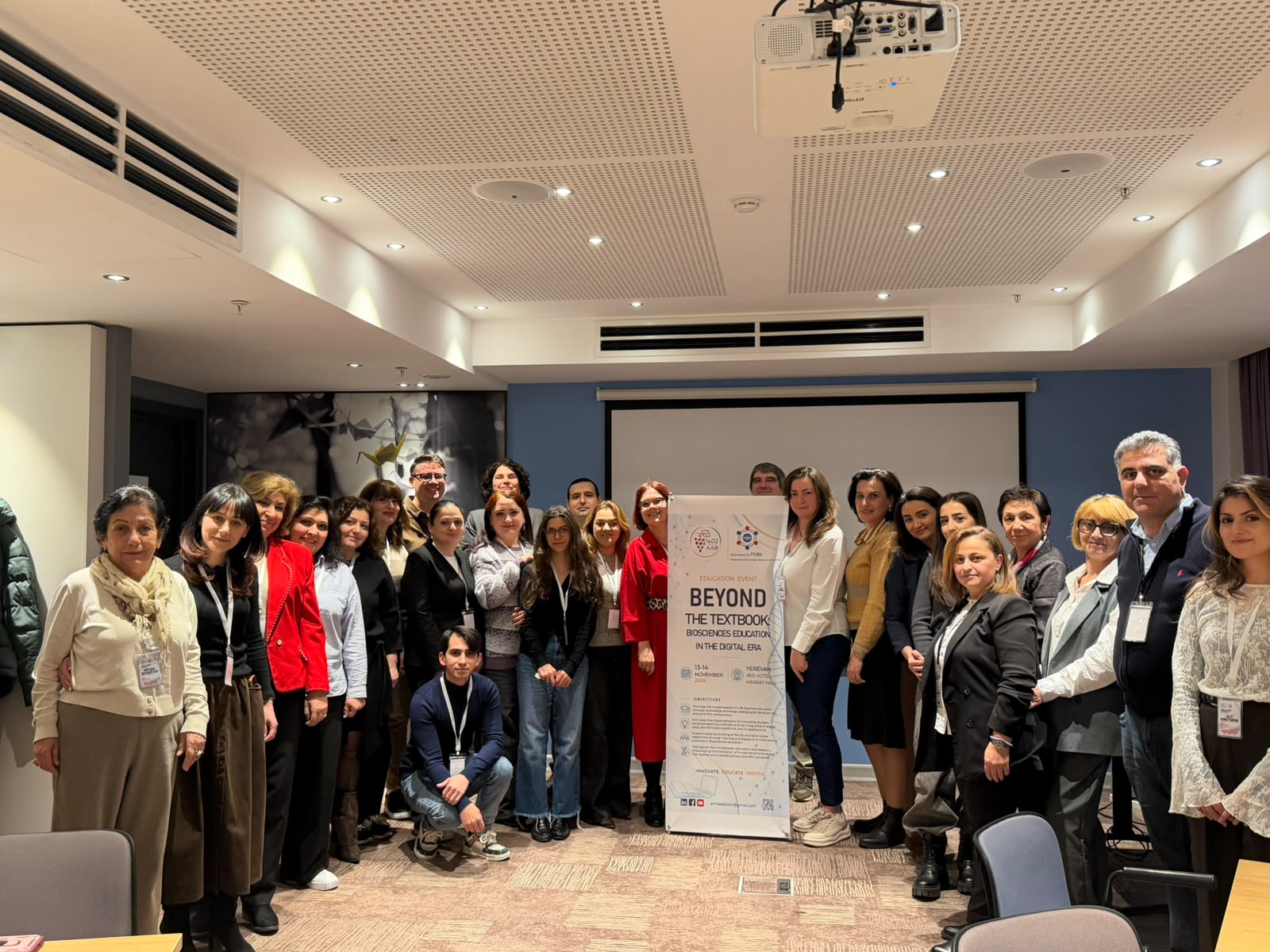
On 13–14 November 2026, the Armenian Association of Biochemists (AAB), with the generous support of the FEBS Education and Training Committee, welcomed a group of Education Explorers – bioscience educators, researchers, early-career scientists, and PhD students – for the education event “Beyond the Textbook: Biosciences Education in the Digital Era” in Yerevan, Armenia. The mission? To explore how Biosciences education can respond to the rapidly changing landscape of scientific research and technological development, to discuss new ways of teaching and learning, challenge familiar approaches, and imagine what bioscience education could look like in the future.
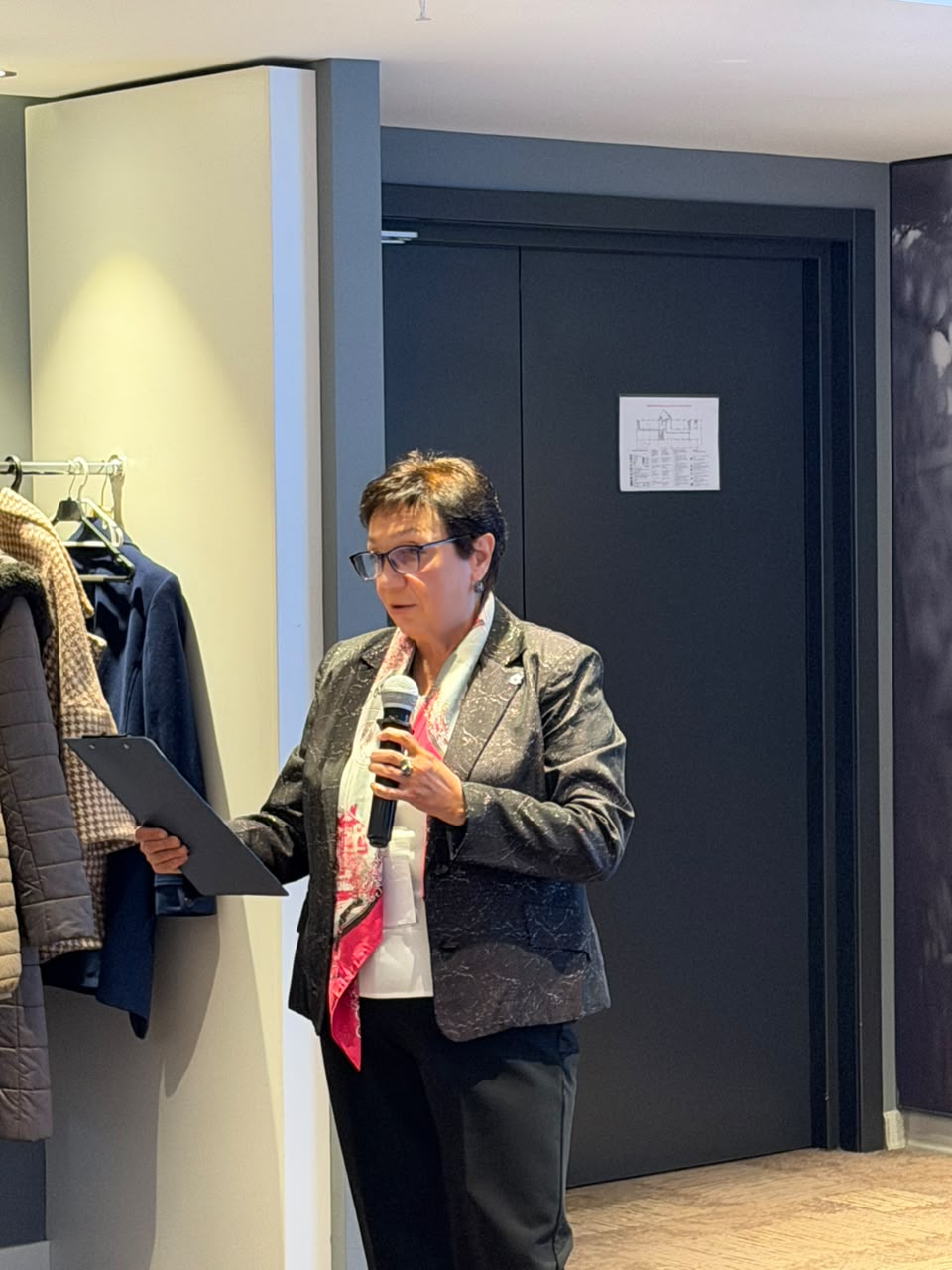
Our Knowledge Ambassadors – international and Armenian experts in bioscience education, biochemistry, and bioinformatics – guided participants through two days of discovery, discussion, and hands-on activities. And, of course, no journey would be complete without a few creative surprises along the way!
Stop 1: New Perspectives with an Innovation Visa
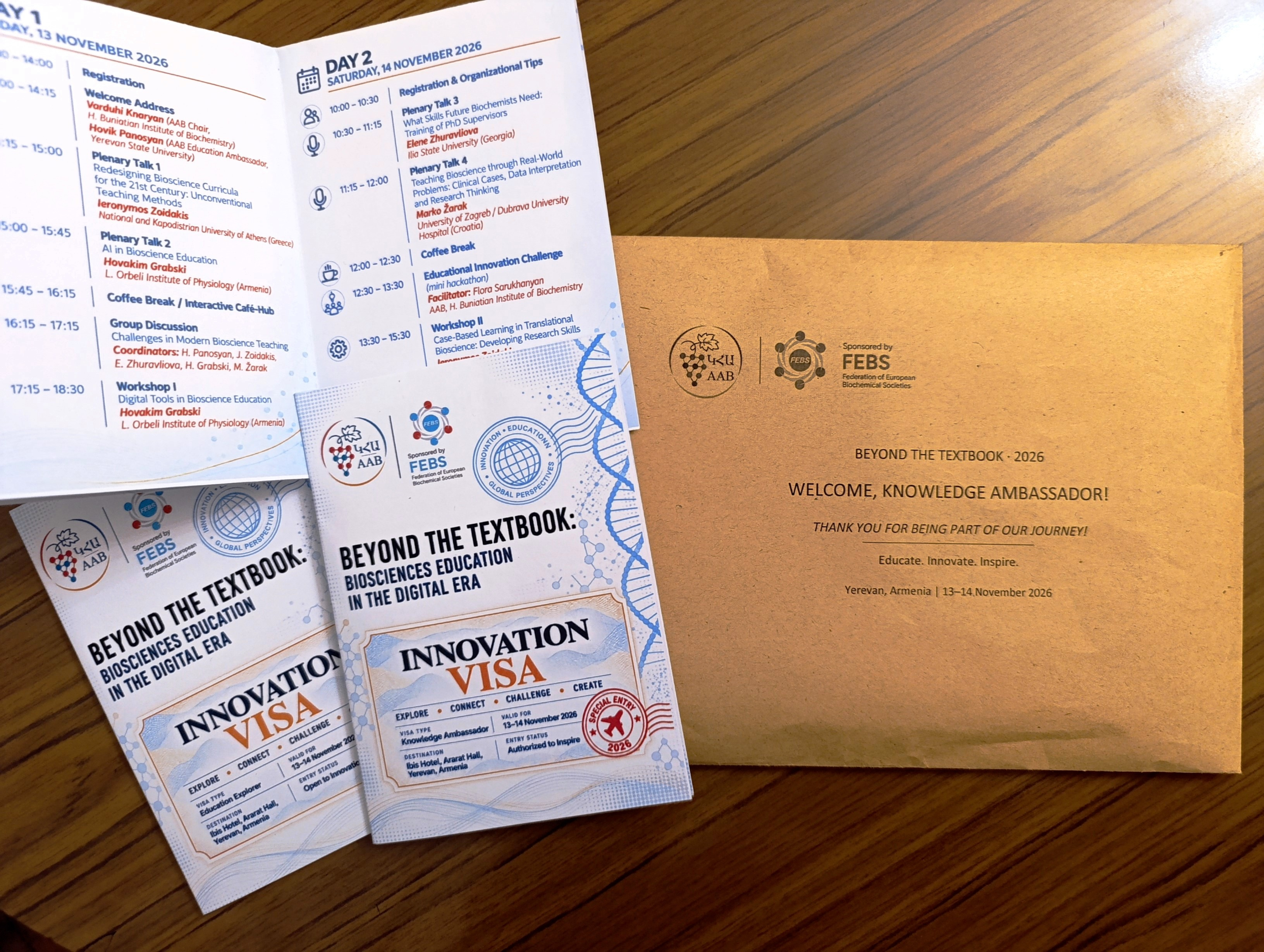
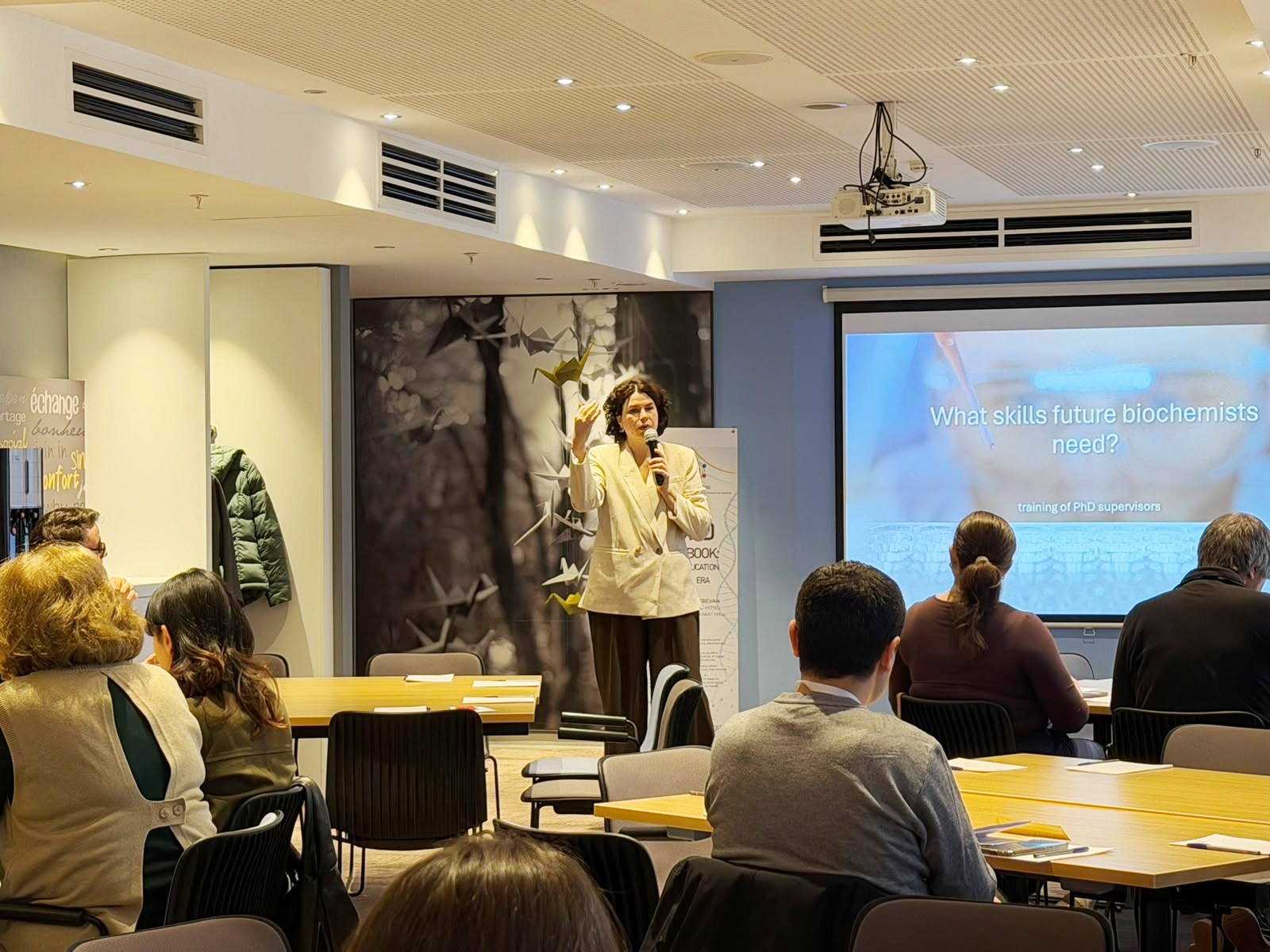
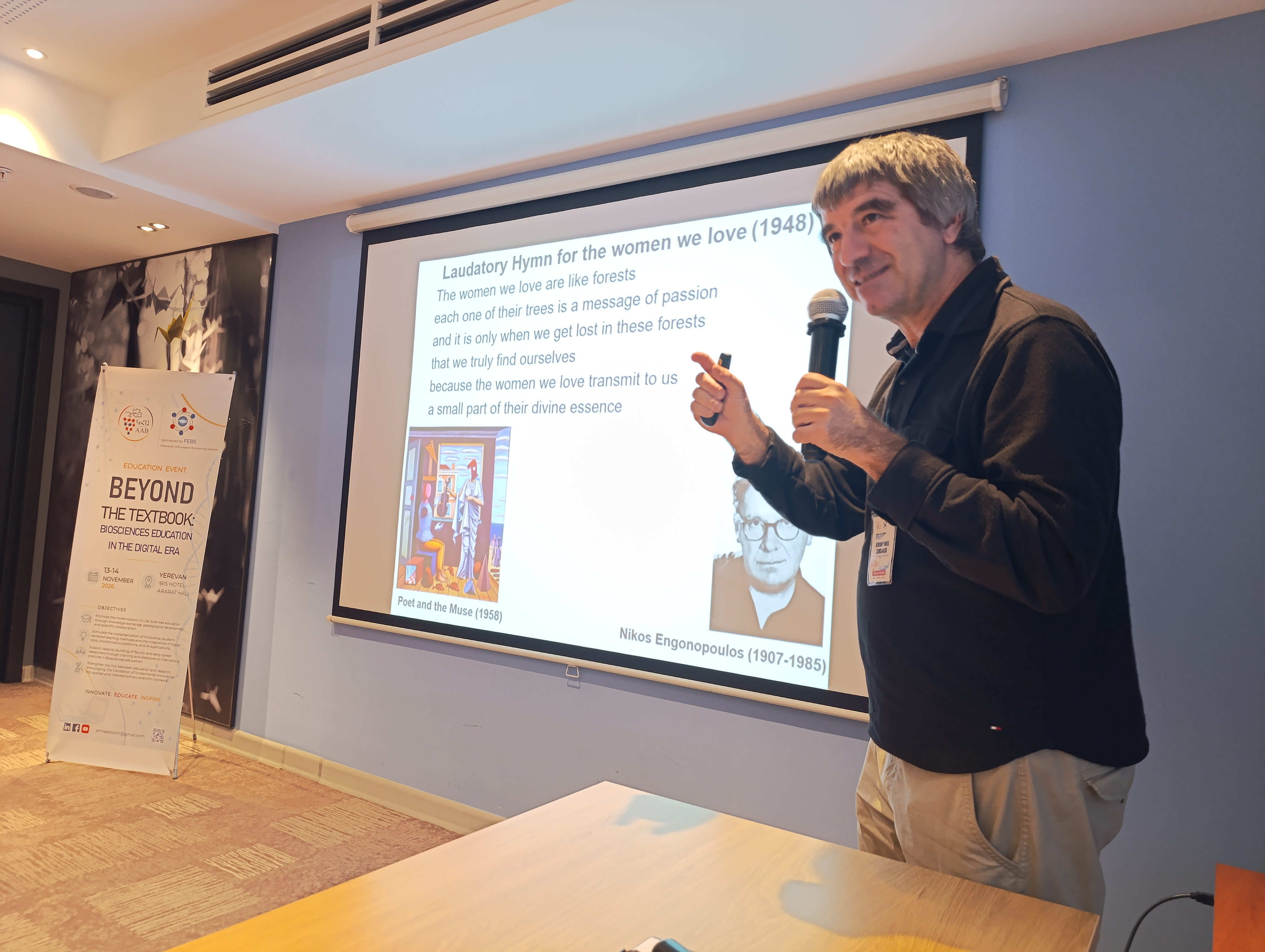
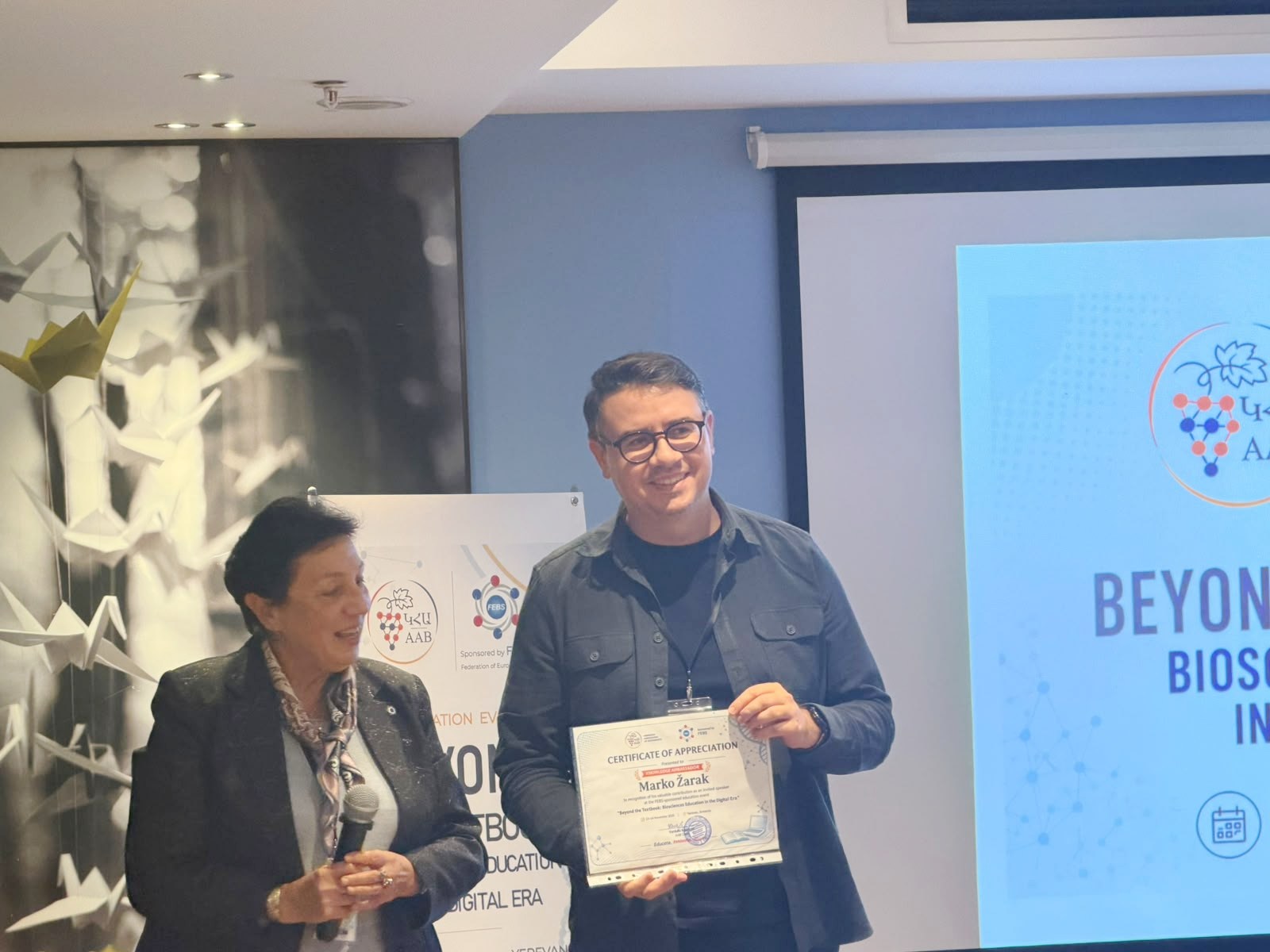
At our first destination, we explored innovative teaching approaches with Prof. Ieronymos Zoidakis (Greece), the integration of artificial intelligence (AI) and digital tools into education with Dr. Hovakim Grabski (Armenia), the skills required by future biochemists with Prof. Elene Zhuravliova (Georgia), and ways to bridge the gap between theoretical knowledge and real-world scientific practice with Prof. Marko Žarak (Croatia). Each plenary session opened up new perspectives and encouraged participants to rethink familiar approaches to bioscience education.
Stop 2: Hands-on Exploration – From Theory to Practice
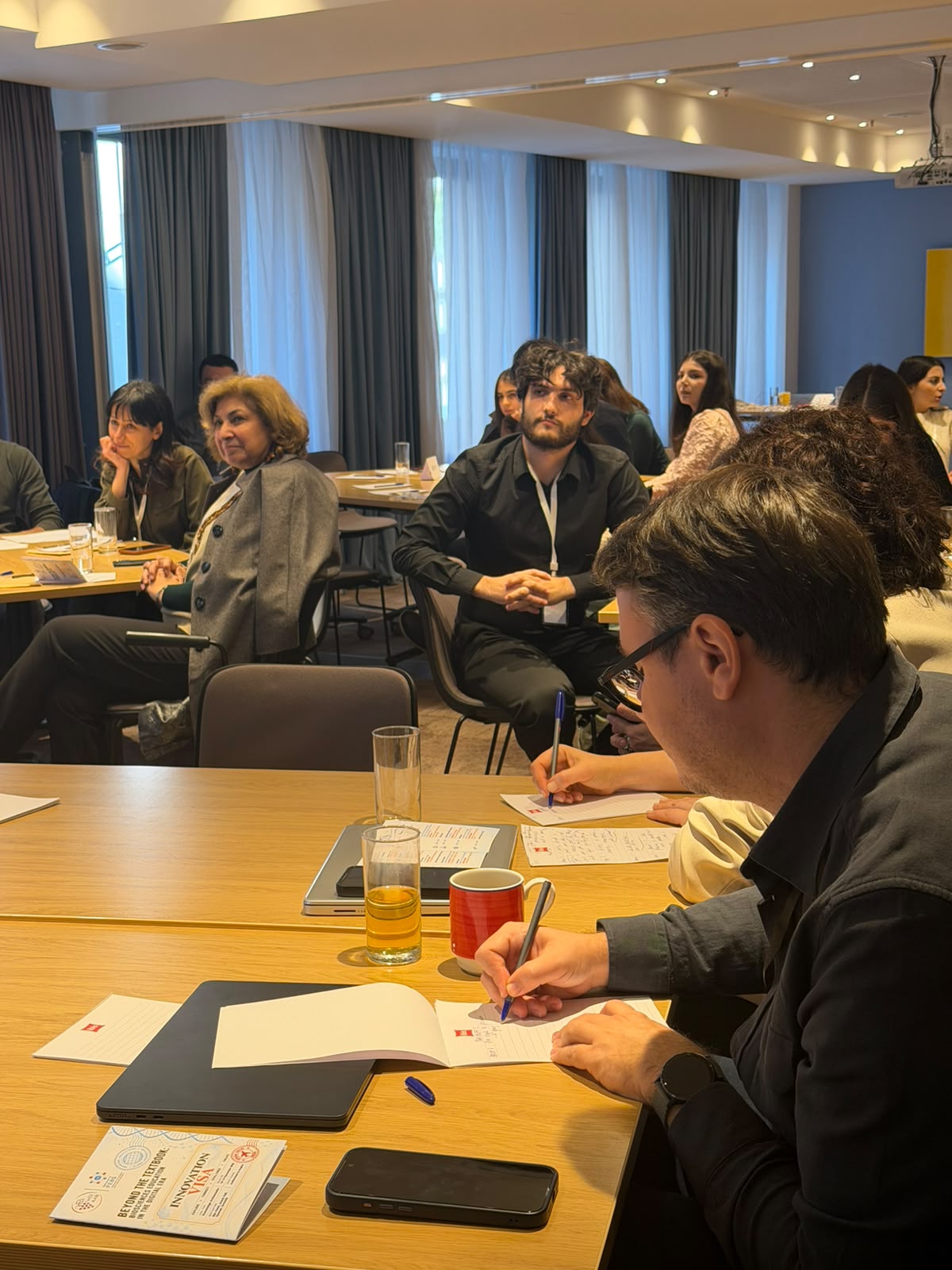
The journey continued with interactive workshops on digital tools in bioscience education and case-based learning in translational bioscience. Instead of simply discussing innovation, participants had the opportunity to experience it, exchange ideas, explore practical teaching strategies and approaches for the responsible implementation of AI, and develop their own Bioscience class plan for graduate/undergraduate students.
Stop 3: Sharing Ideas Along the Way
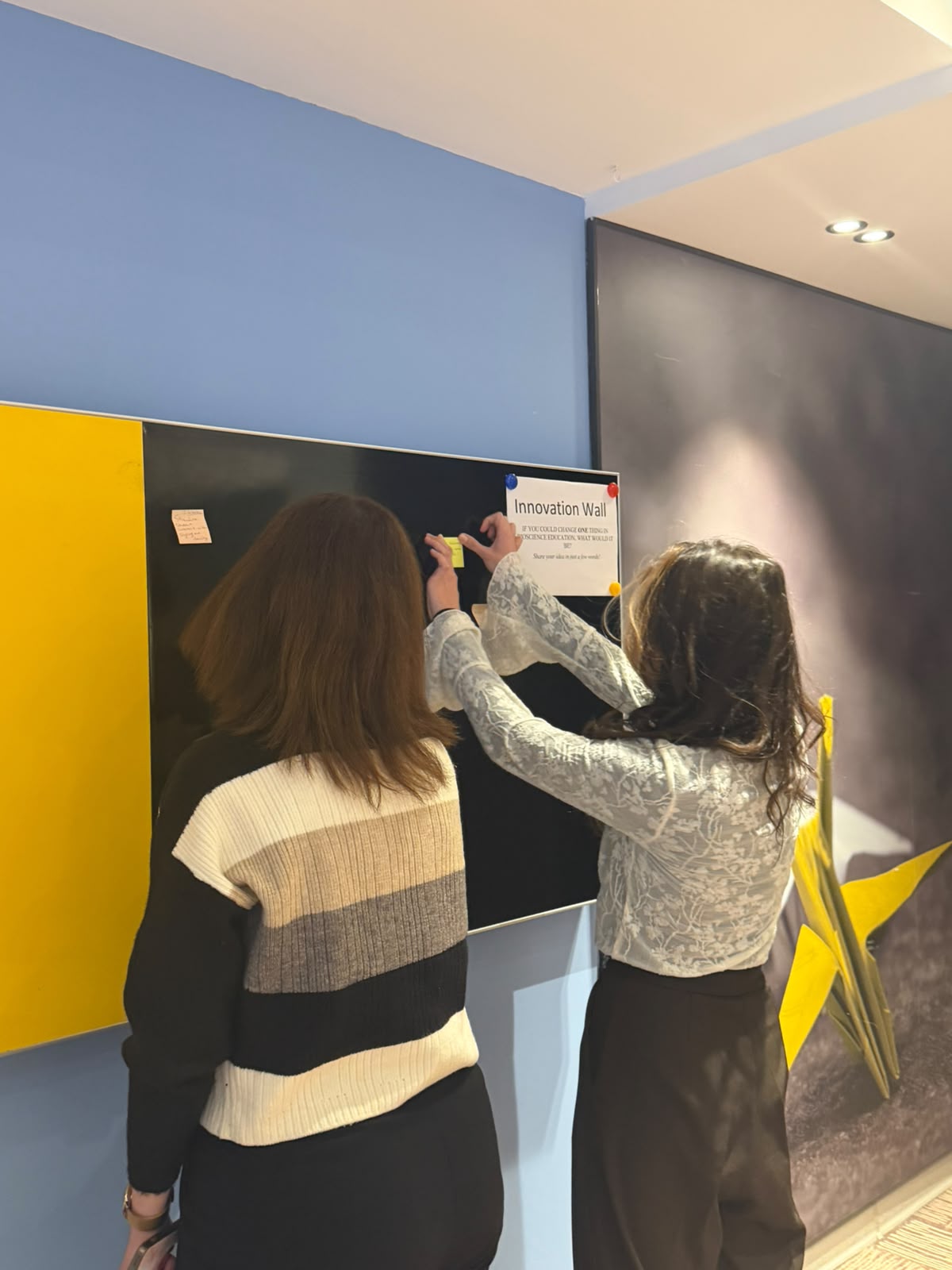
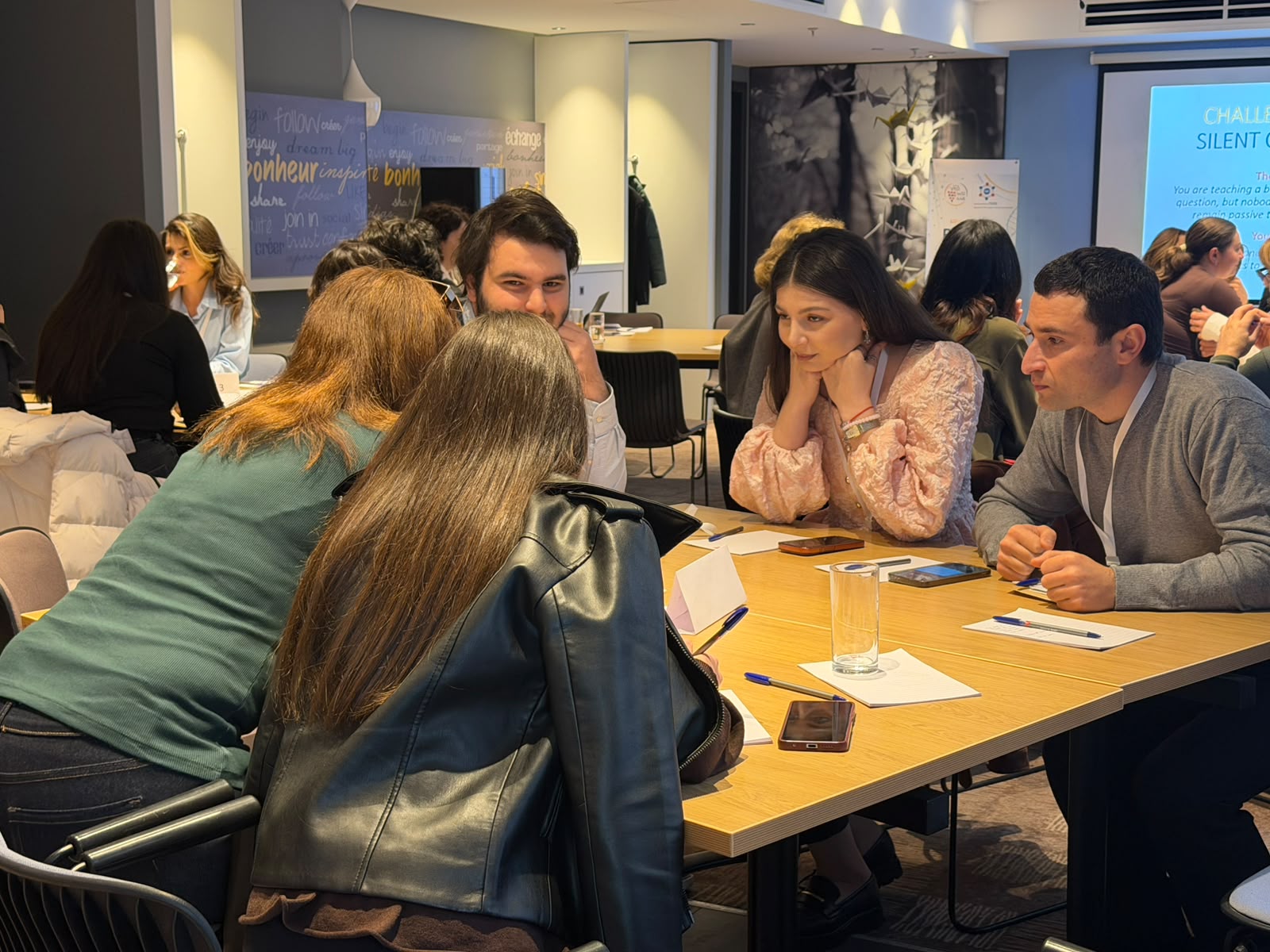
Every journey benefits from conversations with fellow travellers. The Innovation Wall and group discussion on Challenges in Modern Bioscience Teaching provided a space for participants to share perspectives, identify challenges, and suggest changes that could make bioscience education more engaging and effective. From moving beyond memorisation to encouraging critical thinking, to integrating AI responsibly into teaching, the ideas reflected a shared desire to make education more relevant to the needs of today's learners.
Stop 4: Turning Ideas into Action
The final destination was perhaps the most exciting one: the Education Innovation Challenge!
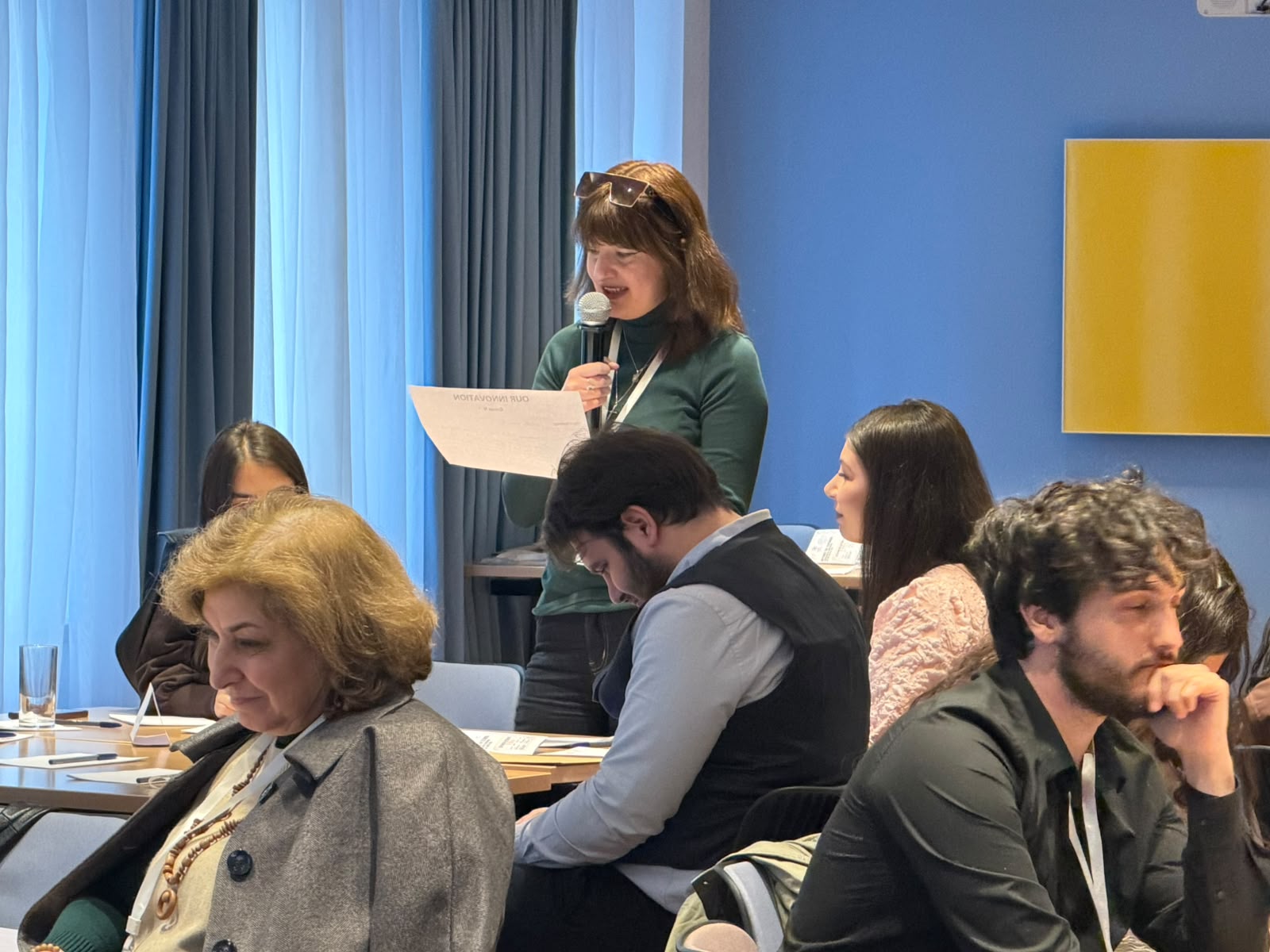
Working collaboratively, participants transformed their ideas into practical proposals for identified educational challenges. Our Knowledge Ambassadors took on the role of judges, evaluating the proposed solutions and selecting the most feasible and practically applicable ideas. The winning teams were awarded free registration to the next AAB meeting.
The enthusiasm and creativity generated during the Challenge inspired us to take the ideas further: they will serve as a starting point for developing a collaborative educational article.
Mission Accomplished - But The Journey Continues!
At the end of two inspiring days, participants left with new perspectives, practical ideas, and connections that could lead to future collaborations. Feedback from participants confirmed the value of this shared experience:
- 96% expressed definite interest in participating in future AAB educational activities.
- 96% rated their overall experience as very good or excellent.
- 88% found the meeting's themes very or extremely relevant to their professional interests.
- 96% reported gaining new ideas and approaches they could apply in their professional practice.
Beyond the numbers, participants highlighted practical ideas they plan to bring into their teaching and research, including case-based learning, interactive digital tools, AI-assisted teaching, QR quizzes, and real-world problem-solving activities. But perhaps the most important outcome was the shared understanding that improving bioscience education is an ongoing journey, one that requires curiosity, collaboration, creativity, and a willingness to explore new directions.
What's Our Next Destination?
For the AAB, this event is not the end of the journey. It is a starting point for:
- Developing educational resources: Using ideas generated during the Innovation Challenge as a foundation for a collaborative educational article on innovative approaches to bioscience teaching.
- Expanding international cooperation: Exploring bilateral initiatives with partner national societies, including joint webinars, workshops, exchange of speakers, and sharing of teaching resources.
- Promoting digital and AI literacy: Encouraging the responsible integration of AI, bioinformatics platforms, and other digital tools into bioscience teaching and learning.
- Supporting educators and early-career researchers: Continuing to organize educational activities that strengthen teaching competencies, research skills, and professional development.
- Ensuring continuity and sustainability: Building on the meeting's outcomes through further AAB educational initiatives and opportunities for collaboration.
We hope to keep our Innovation Visa valid well beyond these two days!
We are sincerely grateful to FEBS for supporting this journey and to our Knowledge Ambassadors, all Education Explorers, and everyone who contributed to making it such an inspiring and memorable experience.
Your next destination is the future of Bioscience education!
EDUCATE. INNOVATE. INSPIRE.
Photos from the Event
All photos belong to Dr. F. Sarukhanyan and her team.

