About Wageningen, Dutch culture and food

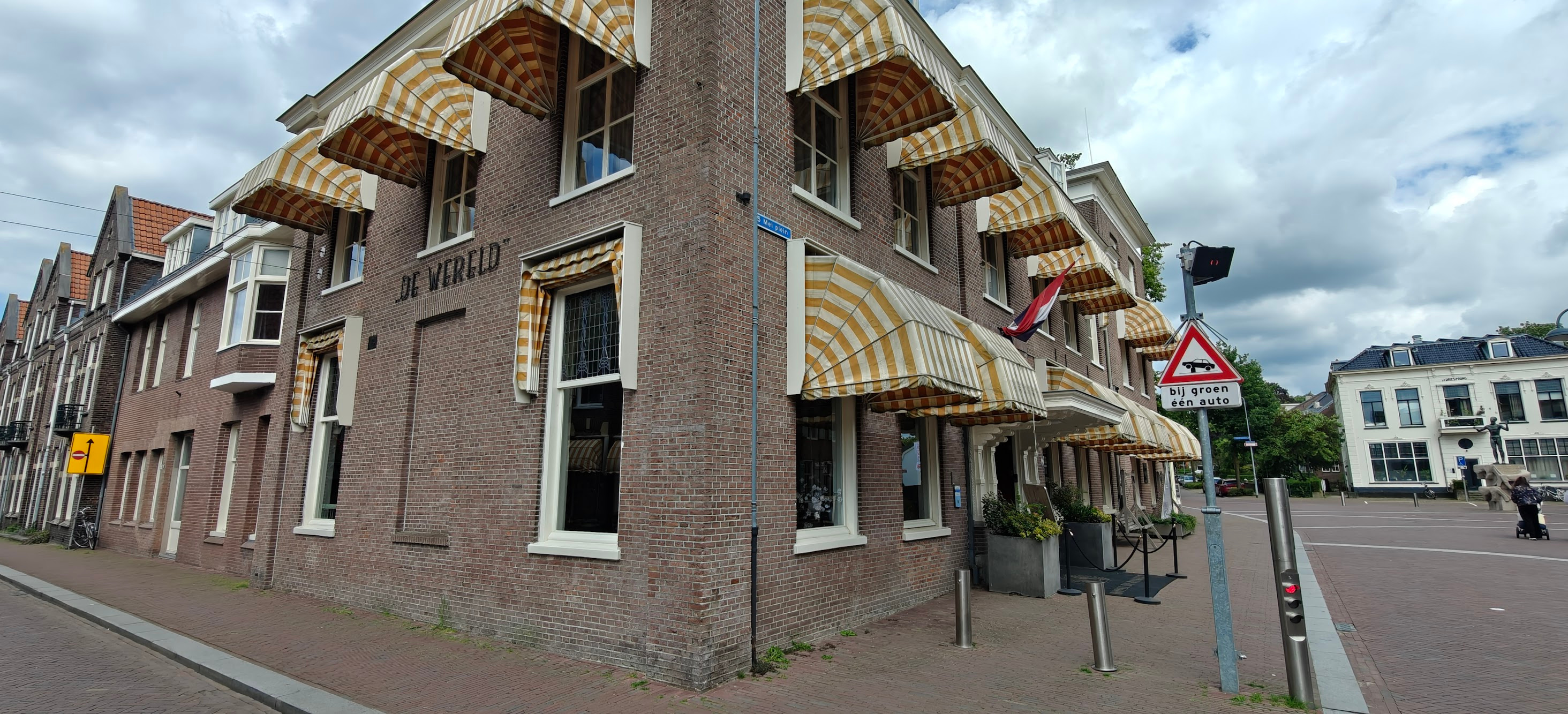
Welcome to the Netherlands, and welcome to Wageningen!
A small city with an international character
Wageningen may be relatively small, but it has a remarkably lively and cosmopolitan atmosphere. Wageningen University & Research attracts students and researchers from all over the world. The city is home to more than 13,000 students representing over 100 nationalities, making Wageningen a truly international meeting place.
A city with an important history
Wageningen also holds a special place in Dutch history. Every year on 5 May, the Netherlands celebrates Bevrijdingsdag—Liberation Day—commemorating the end of the German occupation during the Second World War.
Wageningen is closely connected to this celebration because the terms of the German surrender in the Netherlands were negotiated here in May 1945, at Hotel de Wereld (see the banner of this post!). Today, the city marks Liberation Day with commemorations, a military parade, and a large festival featuring music stages throughout the city. You can also visit the nearby 5 Mei Plein, where a monument commemorates this important moment in Dutch history.
Take a break in nature
Close to the congress venue and Fletcher Hotel, you will find the beautiful Belmonte Arboretum. This freely accessible botanical garden overlooks the Rhine and contains an impressive collection of trees and plants from around the world. It is a perfect place for a short walk or a peaceful break between congress activities.
A taste of Dutch culture
Dutch food has much more to offer than stroopwafels and Gouda cheese!
Not all too relevant for the lovely weather that awaits us next week, but perhaps still nice to try during your next visit to the Netherlands; during the colder months, a popular traditional meal is stamppot: mashed potatoes mixed with vegetables such as kale, carrots, onions, or sauerkraut, often served with rookworst, a smoked sausage.
For a quick snack, try a kroket—a crispy, deep-fried roll filled with savoury ragout—or a frikandel, a minced-meat sausage. Order a frikandel speciaal and it will usually be served with mayonnaise, curry ketchup, and chopped onions.
Those with a sweet tooth can look out for traditional sweets such as kaneelkussentjes (“cinnamon pillows”) and boterbabbelaars (“butterscotch sweets”). And for the more adventurous visitors: try some Dutch salty liquorice! If you end up liking it, you can give yourself a strong pat on the back, as even among Dutchies it remains an acquired taste; quite some of us (yours truly included) can't stand the stuff!
Travelling further south after the congress? In the province of Limburg, particularly around Maastricht, you can try Limburgse vlaai, a traditional pie commonly filled with fruit, custard, or rice pudding.
We hope you enjoy both the congress and your time exploring Wageningen!
🔗 Wageningen University & Research student community:
https://www.wur.nl/en/about-wur/our-education/about-our-students
🔗 The history of the surrender in Wageningen:
https://www.wageningen.nl/bestuur/gemeentearchief/geschiedenis-van-wageningen/capitulatieacte-5-mei-1945/
🔗 Belmonte Arboretum:
https://belmontearboretum.nl/en/